
Tue Jan 20 11:17:42 UTC 2026: # Greenland Geopolitical Tensions Escalate: Russia Weighs In, Trump Defends Actions
The Story
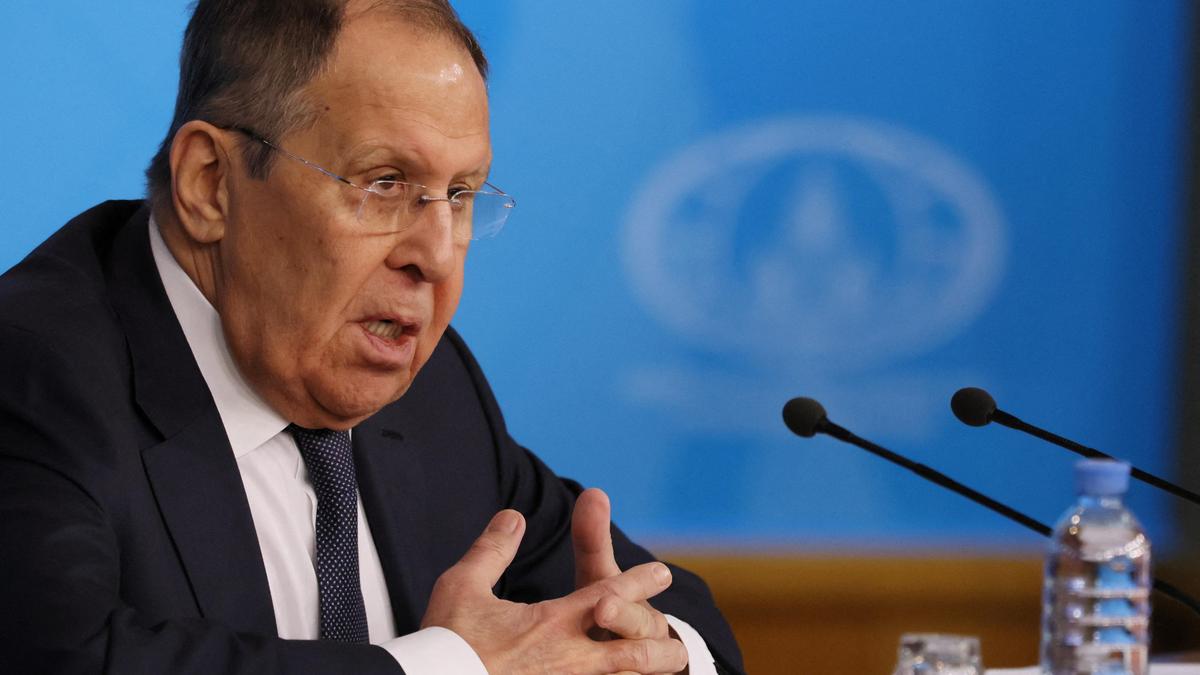
The geopolitical tensions surrounding Greenland have intensified as Russian Foreign Minister Sergei Lavrov publicly questioned Denmark’s sovereignty over the territory on January 20, 2026. This statement comes amidst U.S. President Donald Trump’s controversial pursuit of annexing Greenland, citing national security concerns and the need to counter perceived Russian threats. Trump’s administration has also imposed tariffs on European allies opposing the takeover, leading to strong condemnation from the European Union. Simultaneously, Trump criticized the UK’s decision to return sovereignty of the Chagos Islands to Mauritius, further fueling the debate and underscoring the complex geopolitical landscape.
Key Points
- Sergei Lavrov stated that Greenland is not “a natural part” of Denmark, highlighting the issue of former colonial territories.
- Donald Trump claims the U.S. needs Greenland for national security and to fend off a “Russian threat.”
- The U.S. has announced import tariffs on European allies opposing the potential Greenland takeover on January 17, 2026.
- EU leaders warned of a “dangerous downward spiral” due to U.S. tariffs aimed at forcing the sale of Greenland.
- Trump criticized the UK’s decision to cede the Chagos Islands to Mauritius, linking it to the need for U.S. control over Greenland.
Critical Analysis
The historical context reveals a pattern of heightened geopolitical activity surrounding Greenland in early 2026. Trump’s aggressive tactics, including tariff threats and linking the Greenland issue to unrelated matters like the Chagos Islands and a potential Nobel Prize snub, indicate a multi-front pressure campaign. Simultaneously, Russia’s strategic commentary serves to exacerbate existing tensions and potentially destabilize the region, positioning itself as an observer of former colonial territories. The EU’s strong condemnation underscores the deepening rift between the U.S. and its European allies.
Key Takeaways
- The Greenland issue is rapidly escalating into a significant geopolitical flashpoint.
- Trump’s unconventional diplomatic tactics are straining transatlantic relations.
- Russia is actively monitoring and commenting on the situation, potentially seeking to exploit the existing tensions.
- The EU is determined to resist U.S. pressure and uphold its sovereignty.
- The situation highlights the re-emergence of colonial-era debates in the context of modern national security concerns.
Impact Analysis
The Greenland situation could have far-reaching consequences:
- Transatlantic Relations: A prolonged tariff war could severely damage the economic and political relationship between the U.S. and Europe.
- Arctic Security: Increased militarization and strategic competition in the Arctic could destabilize the region, potentially leading to conflict.
- International Law: The debate over Greenland’s status raises questions about self-determination, sovereignty, and the legacy of colonialism.
- Global Power Dynamics: The situation underscores the shifting global power dynamics, with the U.S., Russia, and the EU vying for influence in strategically important regions.
- Future of Colonial Territories: The focus on Greenland may embolden other regions with disputed sovereignty claims, potentially triggering further geopolitical instability.
 First Piper