
Thu Apr 09 19:30:00 UTC 2026: ### Democratic Party Grapples with Deep Divisions Over Israel Amid Shifting Public Opinion
The Story:
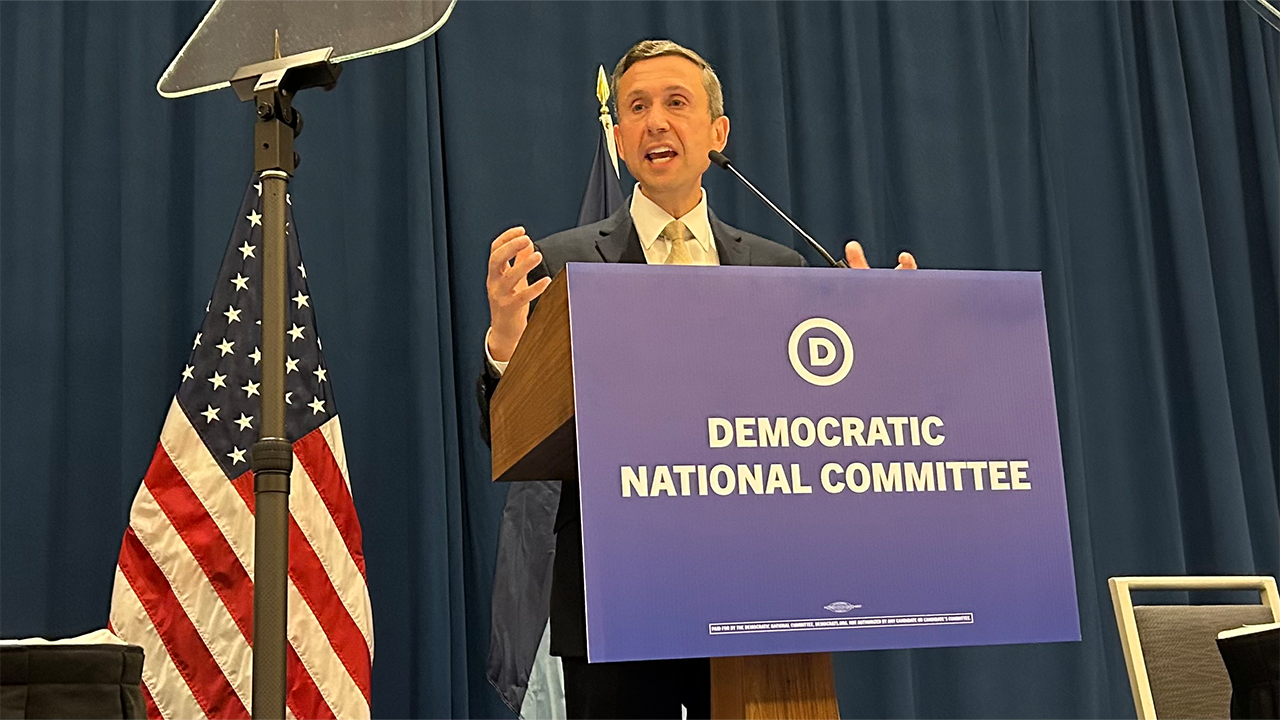
The Democratic National Committee (DNC) is facing renewed internal strife over Israel’s military actions and the influence of pro-Israel lobbying groups like AIPAC. At the DNC’s spring meeting in New Orleans, resolutions recognizing a Palestinian state, limiting military aid to Israel, and criticizing AIPAC were debated, reflecting a growing divide between party leaders and a progressive base increasingly critical of Israel. These internal tensions come after similar clashes at the DNC’s summer meeting in August 2025 and against the backdrop of rapidly shifting public opinion within the Democratic party.
Key Points:
- The DNC debated resolutions on recognizing a Palestinian state, limiting military aid to Israel, and criticizing AIPAC at its spring meeting.
- Resolutions on conditioning aid to Israel and recognizing Palestine were referred to the DNC’s Middle East Working Group, while the resolution targeting AIPAC was defeated in favor of a broader resolution on dark money groups.
- A Pew Research survey showed that 80% of Democrats and Democratic-leaning independents hold unfavorable views of Israel, a nearly 30-point increase since 2022.
- An NBC News poll indicated that 57% of Democrats held a negative view of Israel, up from 35% after the October 7, 2023 Hamas attack.
- Israel’s military campaign in Gaza, resulting in over 72,000 reported deaths, and its involvement in a war with Iran have contributed to the shift in public opinion.
- DNC member Allison Minnerly, who previously pushed for an arms embargo on Israel, authored the resolution criticizing AIPAC.
- DNC Chair Ken Martin pulled his resolution calling for “unrestricted” aid to Gaza and a two-state solution, deferring to the Middle East Working Group.
- Some Democrats blame the party’s support for Israel for their 2024 election setbacks.
Critical Analysis
The related historical context shows US Democrats are already warning Trump that an Iran ceasefire must apply to Lebanon. This highlights the existing tensions and complexities within the Democratic party regarding the Middle East. The primary article builds on this, showing how these external conflicts are directly impacting internal party dynamics and policy positions.
Key Takeaways:
- The Democratic Party is experiencing a significant internal struggle over its stance on Israel, driven by changing public opinion and the ongoing Israeli-Palestinian conflict.
- The influence of pro-Israel lobbying groups like AIPAC is being challenged by a growing progressive movement within the party.
- These divisions could have implications for the party’s unity and electoral prospects in future elections.
- The shift in Democratic sentiment towards Israel is a marked departure from historical norms and reflects broader changes in American attitudes towards the conflict.
- The Middle East Working Group meetings show an attempt to find common ground, but the deep divisions suggest a difficult path forward.
Impact Analysis:
The internal divisions within the Democratic Party over Israel could have significant long-term implications. Firstly, it could impact fundraising, as donors aligned with different factions may choose to withhold support. Secondly, it could influence the party’s platform and policy positions, potentially alienating voters on both sides of the issue. Thirdly, it could affect the party’s ability to present a united front on foreign policy, weakening its standing on the international stage. Finally, it could create opportunities for the Republican Party to exploit these divisions and attract voters who feel disenfranchised by the Democratic Party’s evolving stance on Israel.
 First Piper