
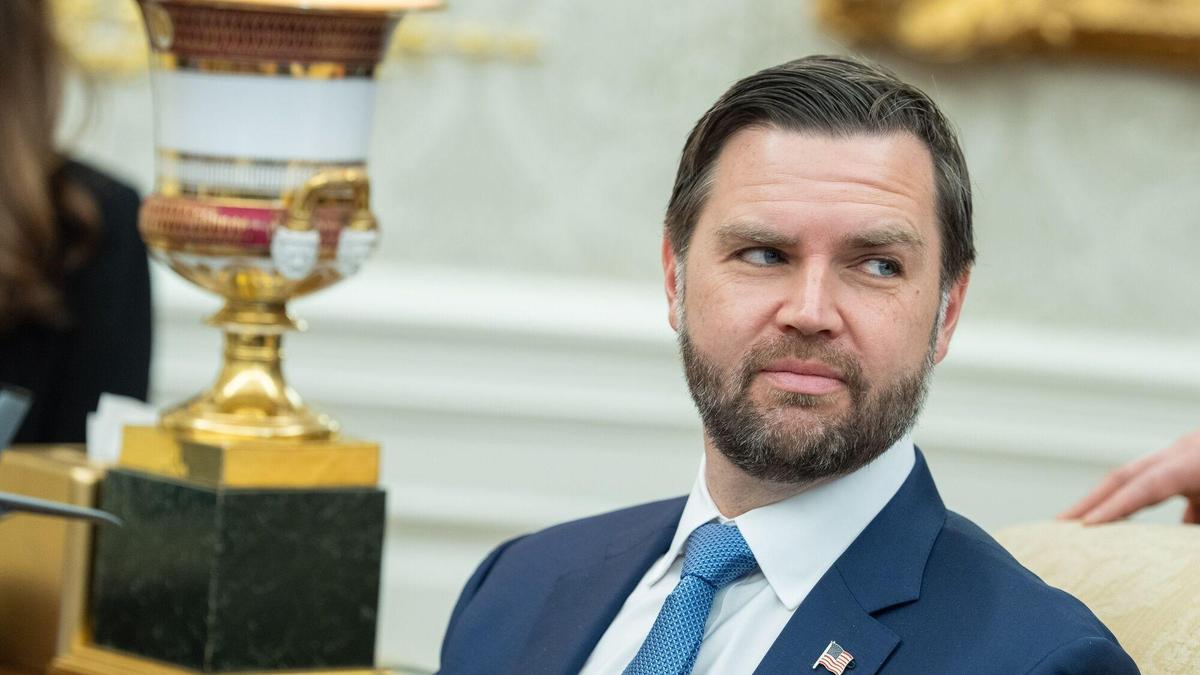
Fri Apr 10 08:04:08 UTC 2026: # Vance Leads U.S. Effort to De-escalate Iran Conflict Amid Trump’s Threat
The Story:
U.S. President Donald Trump has tasked Vice-President J.D. Vance, a known skeptic of foreign military intervention, with leading mediated talks with Iran in Islamabad, Pakistan. This development comes six weeks into a conflict with Iran and follows a threat from President Trump to “wipe out its whole civilisation.” The talks are scheduled to begin on Friday, April 10, 2026.
Key Points:
* President Trump assigns J.D. Vance, a known skeptic of military intervention, to lead talks with Iran.
* The talks aim to resolve a six-week-old conflict with Iran.
* Trump has threatened to “wipe out” Iran’s civilization.
* The mediated talks will take place in Islamabad, Pakistan, beginning on April 10, 2026.
Critical Analysis
The selection of J.D. Vance, a figure previously known for his reluctance towards foreign military engagements, is a calculated move by President Trump. It potentially serves multiple purposes: First, it allows Trump to signal a desire for de-escalation while simultaneously maintaining a hard-line stance through his public threats. Second, it provides a degree of plausible deniability should the talks fail, as Vance’s pre-existing skepticism could be used to frame any breakdown as a result of Iranian intransigence rather than U.S. inflexibility. Third, the choice of Vance could be an attempt to appease domestic voices wary of prolonged military involvement, particularly given Vance’s history of opposing such interventions.
Key Takeaways:
* The U.S. is attempting to find a diplomatic resolution to the conflict with Iran.
* President Trump’s rhetoric remains aggressive despite the diplomatic initiative.
* The choice of J.D. Vance suggests a nuanced U.S. strategy that balances de-escalation with a continued hard-line position.
Impact Analysis:
The success or failure of these talks will have significant long-term implications for U.S.-Iran relations and regional stability. A successful negotiation could lead to a de-escalation of tensions and a potential return to diplomatic engagement. Conversely, a failure could escalate the conflict, potentially drawing in other regional and global actors, and further destabilizing the Middle East. The involvement of Pakistan as a mediator underscores its strategic importance in the region and could enhance its diplomatic standing. The outcome will also significantly impact President Trump’s domestic standing, especially concerning his foreign policy legacy.
 First Piper