
Fri Apr 10 07:48:26 UTC 2026: # Hyderabad Cracks Down: Mass Drug Screening Nets Nearly 200 Positives
The Story:
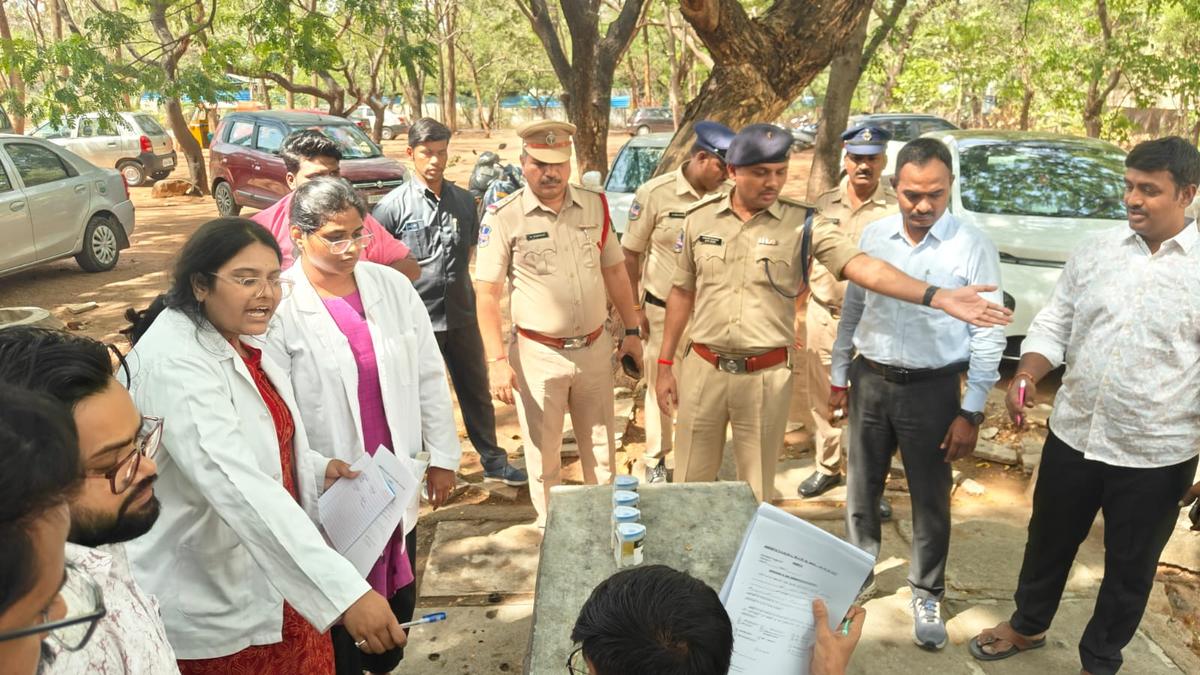
A surprise drug screening drive conducted in Hyderabad on April 9, 2026, by the Hyderabad Narcotics Enforcement Wing (H-NEW) and Task Force resulted in 189 individuals testing positive for drug consumption. The operation targeted known drug users and rowdy sheeters. Medical tests were conducted in coordination with doctors at Gandhi Hospital, Osmania General Hospital, and Government Hospital for Mental Care in Erragadda.
Key Points:
* 189 individuals tested positive for drug use.
* The screening was conducted by the H-NEW and Task Force.
* The operation targeted rowdy sheeters and known drug users.
* Medical tests were performed at multiple hospitals including Gandhi Hospital and Osmania General Hospital.
* The screening took place on April 9, 2026.
Critical Analysis:
The context provided reveals a pattern of increased law enforcement activity related to illegal substances in Hyderabad. The seizure of Rs 4.6 Crore worth of weed at the airport, combined with the arrest of a “thief” identified via challan data, suggests a multi-pronged approach to tackling crime, with a particular focus on drug-related offenses. The mass screening and positive results indicate a potentially significant drug problem within the targeted population.
Key Takeaways:
* Hyderabad is actively combating drug use and related crime.
* Law enforcement is utilizing various methods, from airport interdiction to street-level screenings.
* The number of positive drug tests suggests a need for increased public health and rehabilitation resources.
* The focus on “rowdy sheeters” implies a link between drug use and other criminal activities.
Impact Analysis:
The crackdown on drug use in Hyderabad, evidenced by the mass screening and related arrests, could have several long-term implications. Increased law enforcement pressure might lead to a decrease in open drug use and dealing. However, it could also drive drug activity further underground, making it harder to detect and address. The strain on hospital resources for testing and treatment could also impact other healthcare services. Furthermore, focusing on “rowdy sheeters” raises concerns about potential over-policing and profiling of specific communities. A more comprehensive approach, including prevention programs, accessible treatment options, and community engagement, may be necessary to address the root causes of drug use and its associated problems.
 First Piper