
Fri Apr 10 07:57:55 UTC 2026: ### Headline: Congress Accuses Modi Government of “U-Turn” on Women’s Reservation Law, Citing Governance Failures
The Story:
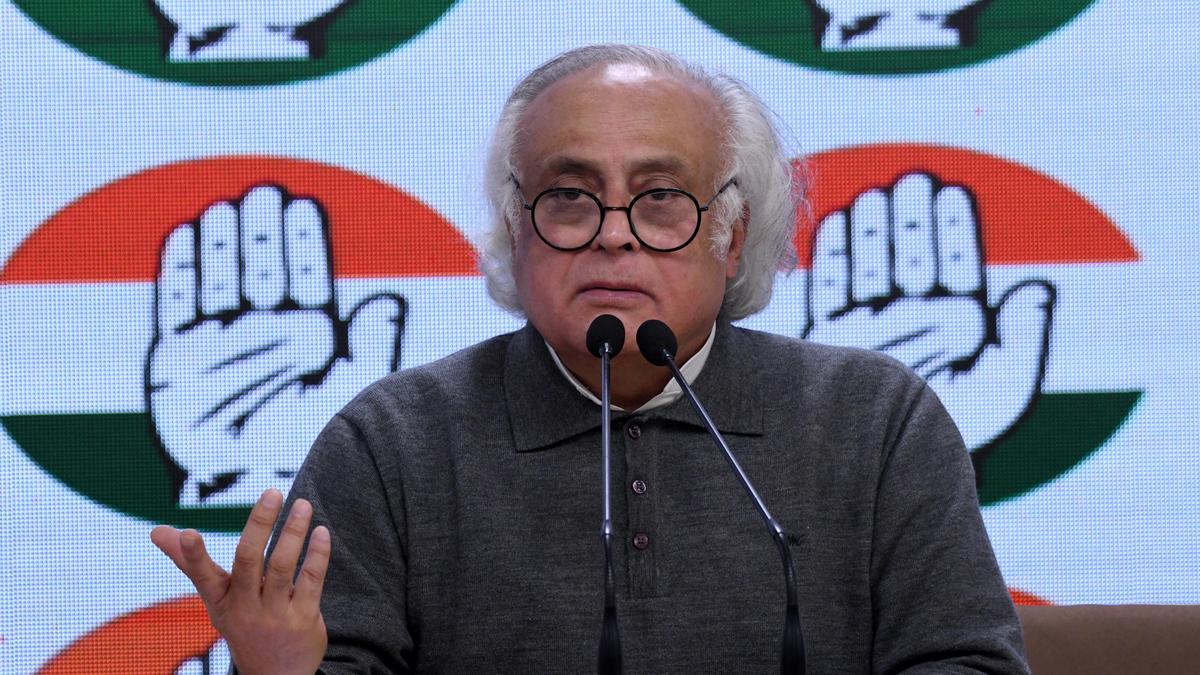
On April 10, 2026, the Congress party launched a sharp attack on the Modi government, alleging a “U-turn” in the implementation of the women’s reservation law. Congress leader Jairam Ramesh stated that this shift is a deliberate attempt to mask the government’s “monumental failures” in governance and “severe setbacks” in foreign policy. The party insists that Prime Minister Modi owes an apology to the women of India for not implementing the Nari Shakti Vandan Adhiniyam, 2023, from the 2024 elections.
Key Points:
- The Congress party accuses the Modi government of a “U-turn” on the women’s reservation law.
- Jairam Ramesh claims the government is trying to cover up governance failures and foreign policy setbacks.
- The Congress demanded implementation of the Nari Shakti Vandan Adhiniyam, 2023, from the 2024 polls.
- The party insists PM Modi owes an apology to the women of India.
- The article references a statement made by PM Modi a day prior about the amendments to the Women Reservation Act.
Critical Analysis:
The related historical context reveals an ongoing, intense political battle between the ruling Bharatiya Janata Party (BJP), led by PM Modi, and opposition parties, particularly in West Bengal. The sparring over fish farming policies and accusations of “lawlessness” and “infiltration” in West Bengal highlight the high stakes of the upcoming elections. The Congress’s attack on the women’s reservation law can be seen as an attempt to capitalize on perceived vulnerabilities in the government’s policies and to rally support, particularly among women voters, by accusing PM Modi of failing to deliver on promises related to women’s empowerment. This is occuring amid an already tense environment as evidenced by the Modi and Mamata dispute over fish.
Key Takeaways:
- The Congress is aggressively challenging the Modi government’s record on women’s empowerment.
- The women’s reservation law has become a key point of contention between the ruling party and the opposition.
- The timing of the Congress’s attack suggests a strategic effort to influence public opinion ahead of upcoming elections.
- The political climate is highly charged, with accusations and counter-accusations dominating the discourse.
Impact Analysis:
The Congress’s allegations could potentially erode public trust in the Modi government’s commitment to women’s empowerment, especially if the party successfully frames the “U-turn” narrative. This could affect voter turnout and support for the BJP in future elections, particularly among women. The debate surrounding the implementation of the women’s reservation law is likely to continue, shaping the political landscape and potentially influencing policy decisions related to gender equality.
 First Piper