
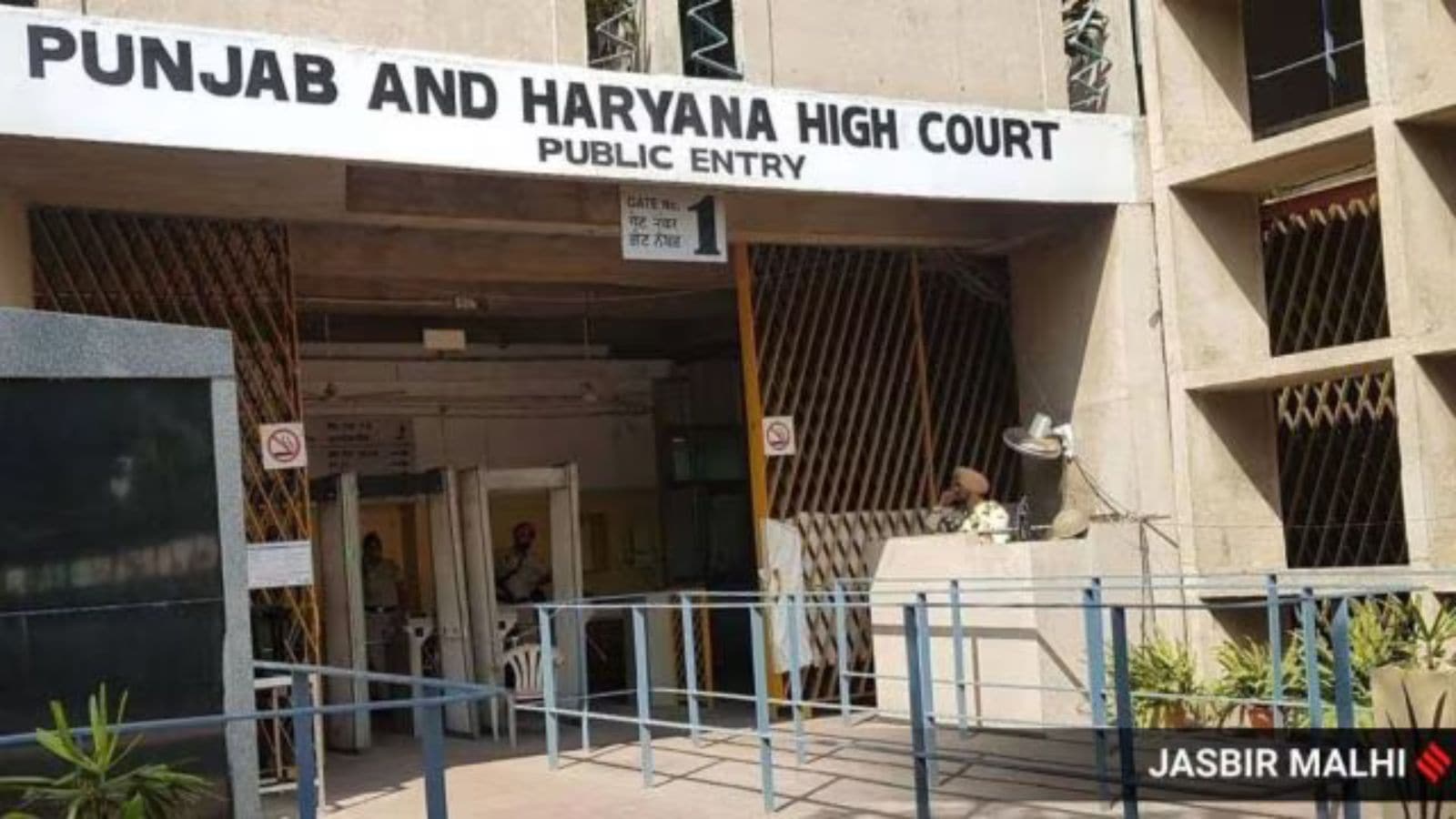
Fri Apr 10 13:49:25 UTC 2026: ### Punjab and Haryana High Court Questions Punjab Government on Lokpal Vacancy
The Story:
The Punjab and Haryana High Court has issued a notice to the Punjab government regarding a Public Interest Litigation (PIL) challenging the state’s failure to appoint a Lokpal for over six months. The division bench, led by Chief Justice Sheel Nagu and Justice Sanjiv Berry, has directed the government to provide a timeline for filling the vacancy, which has effectively rendered the state’s anti-corruption body non-functional since October 8, 2025.
The PIL, filed by advocate Vishal Mehta, argues that the prolonged vacancy undermines the state’s anti-corruption framework, especially given the current administration’s earlier decision to abolish the State Vigilance Commission with assurances that the Lokpal would be strengthened. The petition further contends that the absence of a functional Lokpal violates citizens’ fundamental rights.
Key Points:
- The office of the Lokpal in Punjab has been vacant since October 8, 2025.
- The Punjab and Haryana High Court has issued a notice to the Punjab government on a PIL challenging the delay in appointment.
- The PIL argues that the vacancy violates citizens’ fundamental rights under Articles 14 and 21 of the Constitution.
- The current administration had previously abolished the State Vigilance Commission, promising to strengthen the Lokpal.
- The PIL seeks a writ of mandamus directing the state to complete the appointment process within four weeks and to amend the Punjab Lokpal Act, 1996, to prevent future vacancies.
Key Takeaways:
- The delay in appointing a Lokpal raises concerns about the Punjab government’s commitment to combating corruption.
- The High Court’s intervention highlights the judiciary’s role in holding the executive accountable.
- The absence of a Lokpal creates a vacuum in the state’s anti-corruption framework, potentially hindering the redressal of grievances against public functionaries.
- The case underscores the importance of proactively addressing vacancies in key statutory bodies to ensure their continued functionality.
Impact Analysis:
This case has significant implications for governance and transparency in Punjab. The High Court’s scrutiny places pressure on the Punjab government to expedite the Lokpal appointment and potentially revise the existing legal framework to prevent similar lapses in the future. A functional Lokpal is crucial for maintaining public trust and ensuring accountability among high-ranking officials, particularly in light of allegations of irregularities in public contracts and illegal mining. The outcome of this PIL could set a precedent for how state governments handle appointments to crucial oversight bodies.
 First Piper