
Thu Apr 09 22:10:00 UTC 2026: ### Headline: Augusta National’s Unbreakable Barrier: Can a 59 Ever Be Achieved at the Masters?
The Story:
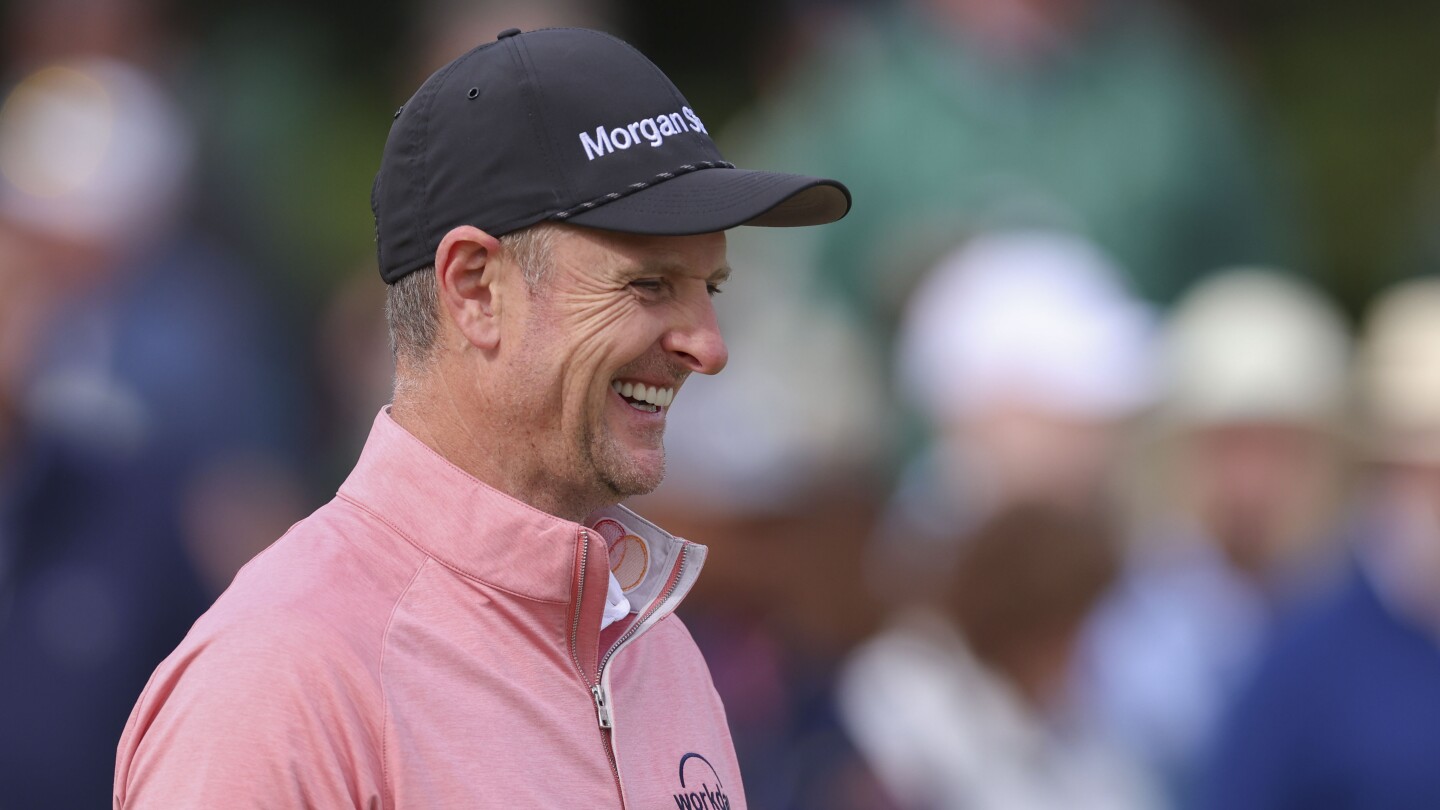
As the 2026 Masters Tournament approaches, the enduring question of whether a golfer can ever break the seemingly insurmountable scoring barrier of 59 at Augusta National resurfaces. The current course record stands at 63, jointly held by Nick Price (four decades ago) and Greg Norman (1996). Despite advancements in technology, player physiology, and course alterations, the elusive 59 remains a distant dream. Experts like Justin Rose acknowledge the increasing potential for low scores in majors, but emphasize the difficulty of Augusta National, pointing to its length, challenging pin positions, and the demanding second nine.
Key Points:
- The current Masters single-round record is 63, held by Nick Price and Greg Norman.
- Justin Rose has twice shot 65 at the Masters and believes the course is best suited for low scores on Sunday, but conditions counteract accessible hole locations.
- While scores are decreasing in major championships, Augusta National’s increased length (now 7,565 yards) and subtle alterations make it challenging.
- Anthony Kim holds the record for birdies in a single round (11 in 2009), but still only managed a 65.
- The second nine at Augusta National typically plays a stroke more difficult than the first.
Key Takeaways:
- The mystique and difficulty of Augusta National continue to defy expectations of record-breaking scores.
- Technological advancements and player improvements have not yet translated into significantly lower scores at the Masters, highlighting the course’s unique challenges.
- While matching or breaking the 63 record is possible, achieving a 59 remains highly improbable due to the course’s design and playing conditions.
- The increased length of the course is a significant factor in the difficulty of achieving low scores, requiring mid-irons and wedges into small targets.
- The mental and physical grind of Augusta National often leads to higher scores than anticipated, even for the world’s best golfers.
 First Piper