
Fri Apr 10 13:32:01 UTC 2026: ### Iran War Dents India’s Economic Growth, World Bank Predicts
The Story:
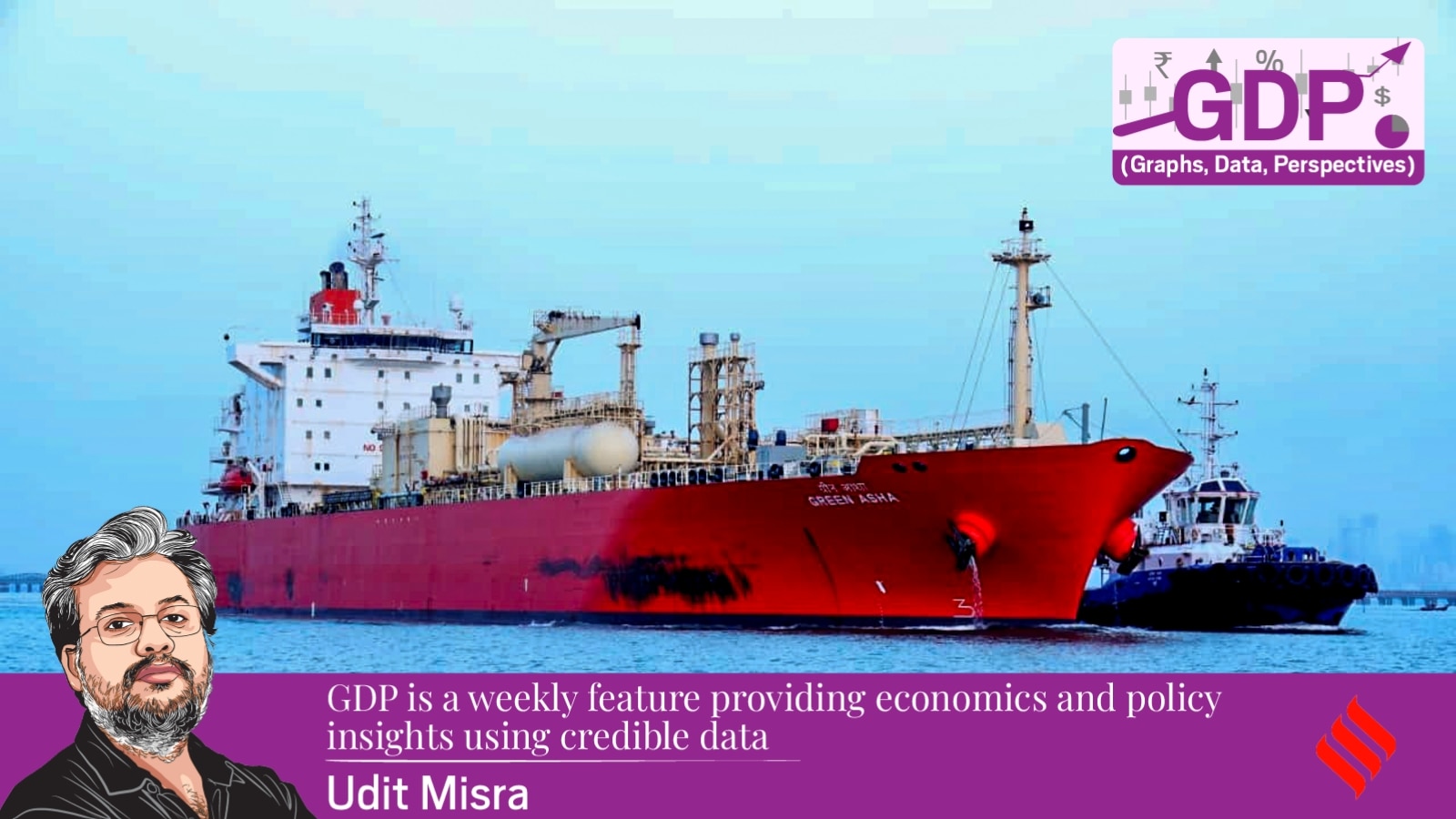
The World Bank has revised its forecast for India’s real economic growth rate in the current financial year, projecting it to dip below 7%. This downward revision is attributed to the ongoing war in Iran, which began shortly after the Indian government updated its GDP estimation method with a new base year of 2022-23. The conflict is expected to disrupt global energy supplies, negatively impacting India’s economic engines.
Key Points:
- The World Bank projects India’s GDP growth at 6.6% for FY27 due to the Iran war, down from a pre-conflict projection of 7.2%.
- The conflict is expected to cause an extended disruption in global energy supply until the end of 2026.
- The biggest deceleration in GDP is anticipated in private consumption, which accounts for 55% to 60% of India’s total GDP.
- Investment growth by companies, contributing almost 30% of total GDP, is also expected to slow down due to market uncertainty.
- Government expenditure is likely to be constrained due to existing high borrowings and potentially increased subsidy bills from elevated oil prices.
- While exports are expected to maintain their growth rate, faster-growing imports will further drag down India’s GDP.
- The World Bank emphasizes the importance of energy diversification, prudent fiscal management, and trade diversification for India.
Key Takeaways:
- Geopolitical events, such as the war in Iran, can significantly impact India’s economic growth trajectory.
- India’s reliance on energy imports makes it vulnerable to global supply disruptions and price fluctuations.
- Private consumption is a critical driver of India’s GDP, and any decline in this area can have substantial consequences.
- The Indian government needs to focus on energy diversification, fiscal prudence, and trade diversification to mitigate future economic risks.
- Achieving “Viksit Bharat by 2047”, which requires 7-8% real growth rates, will be challenging if geopolitical risks are not proactively managed.
 First Piper