
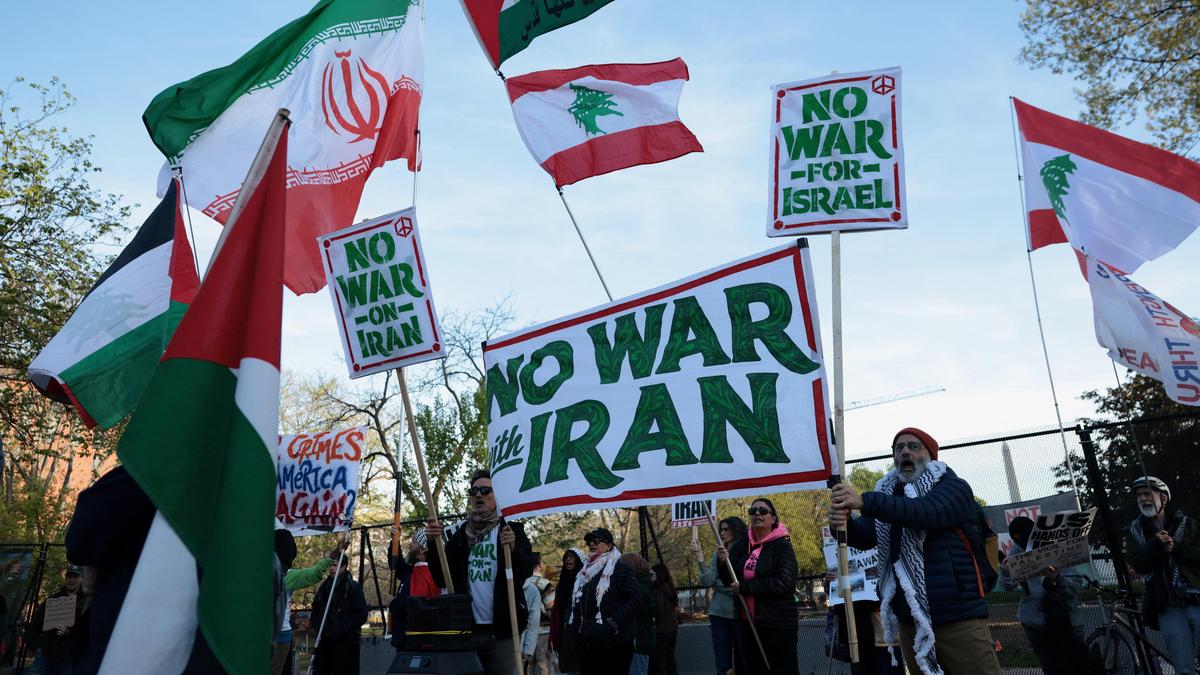
Wed Apr 08 23:54:38 UTC 2026: # Ceasefire in Iran Hanging by a Thread as Strait of Hormuz Closes
The Story: A fragile ceasefire agreement intended to pause the war in Iran is in jeopardy after Iran closed the Strait of Hormuz in response to Israeli attacks in Lebanon. The closure, which occurred on April 8, 2026, prompted a demand from the White House for the channel to be reopened and efforts to keep peace talks on track. Despite both the U.S. and Iran claiming victory after reaching the initial agreement, drone and missile strikes continue to impact Iran and Gulf Arab countries.
Key Points:
- The ceasefire deal to pause the war in Iran is faltering.
- Iran closed the Strait of Hormuz in response to Israeli attacks in Lebanon on April 8, 2026.
- The White House demanded the Strait of Hormuz be reopened.
- The U.S. and Iran both claim victory after reaching the ceasefire agreement.
- Drone and missile attacks continue in Iran and Gulf Arab countries.
Critical Analysis: The closure of the Strait of Hormuz is a significant escalation, revealing the fragility of the ceasefire and Iran’s willingness to use its strategic leverage over oil transit in response to perceived provocations (Israeli attacks in Lebanon). The fact that both sides claim victory suggests a lack of genuine compromise and a high risk of future conflict. Trump’s comments indicate the US understands the importance of the Strait of Hormuz for oil transit, and is trying to exert pressure on Iran to allow its flow.
Key Takeaways:
- The conflict between Iran and Israel, with the involvement of the U.S., remains highly volatile.
- Control of the Strait of Hormuz is a critical factor in the conflict and global oil supply.
- The ceasefire agreement is unstable and faces significant challenges.
- Third-party attacks (drones and missiles) undermine the claimed ceasefire.
- Trump’s statements highlight the importance of oil transit through the Strait and the US’s view of Iran’s role in it.
Impact Analysis:
- Economic Impact: Closure of the Strait of Hormuz threatens global oil supplies, potentially leading to price spikes and economic instability.
- Geopolitical Impact: The conflict could further destabilize the Middle East, drawing in other regional and global powers. The involvement of Israel and the US heightens the risk of a wider war.
- Future Impact: The continued instability could lead to a protracted conflict, requiring sustained diplomatic efforts and potential military intervention to ensure regional security and stability.
 First Piper