
Fri Apr 10 00:43:31 UTC 2026: ### CBSE’s New AI Curriculum Faces Scrutiny: Experts Question Feasibility and Relevance
The Story:
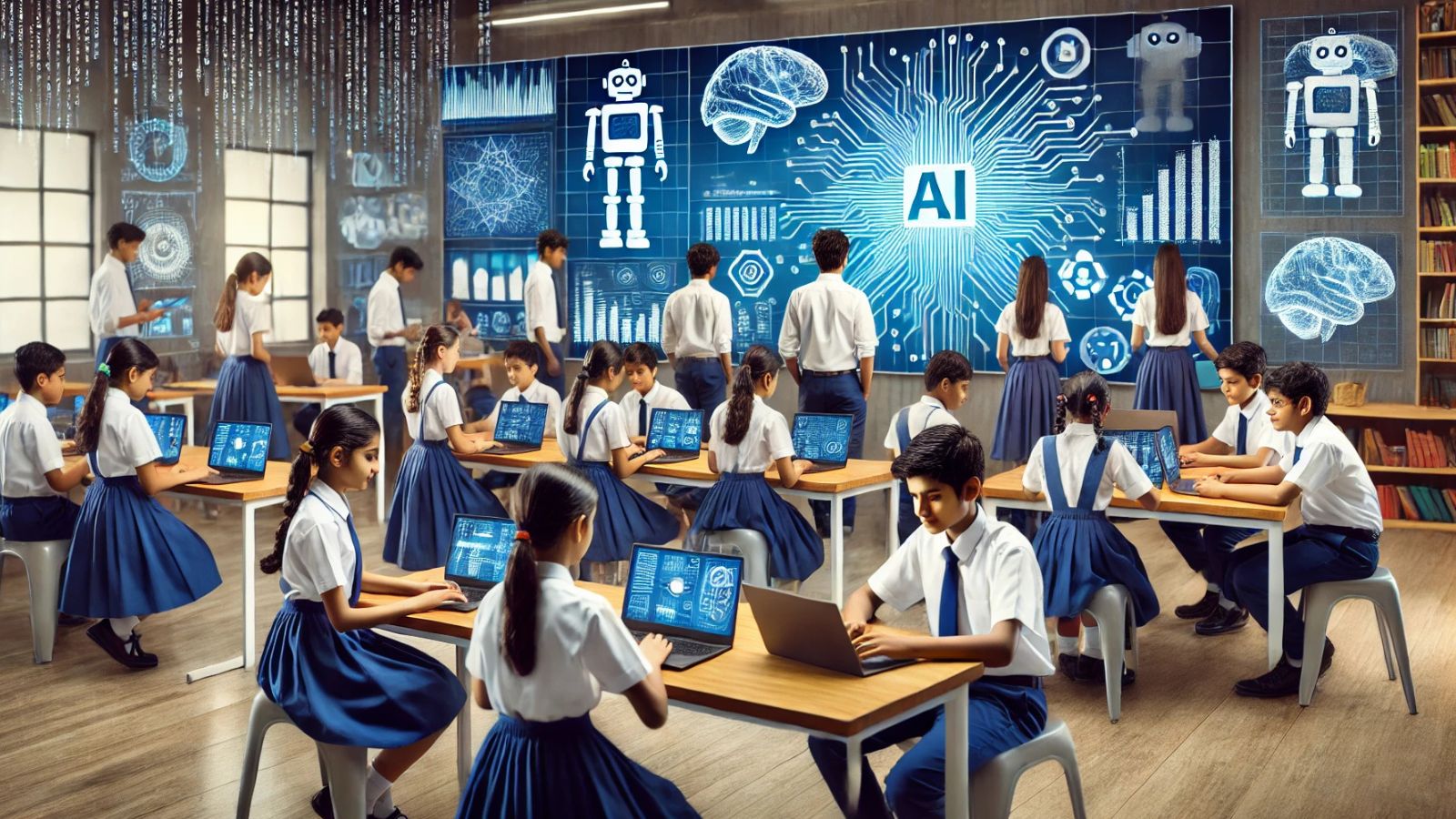
The Central Board of Secondary Education (CBSE) has announced a new curriculum for Computational Thinking (CT) and Artificial Intelligence (AI) for classes III to VIII, set to be implemented in the 2026-27 academic session. While the initiative aims to foster logical thinking, problem-solving skills, and AI understanding among young learners, critics are raising concerns about the curriculum’s practicality, relevance, and the preparedness of both students and teachers. The curriculum intends to address worries about children’s interaction with AI tools and social media, focusing on safety, privacy, and critical thinking.
However, the proposed syllabus is under scrutiny for introducing complex concepts like machine learning methodologies and predictive techniques typically taught at the undergraduate level, questioning the ability of young students to grasp these ideas meaningfully. Concerns are also raised about the disconnect between CT and AI literacy within the curriculum and the lack of adequate research on AI education at the primary and middle-school levels.
Key Points:
- New Curriculum: CBSE introduces CT and AI curriculum for classes III-VIII, starting in 2026-27.
- Curriculum Goals: Aims to develop computational thinking skills and understanding of AI in daily life.
- Criticisms: Concerns raised about the curriculum’s feasibility, relevance, and teacher preparedness.
- Syllabus Content: Includes advanced CT, foundational AI knowledge, and AI ethics for classes VI-VIII.
- Learning Outcomes: Focuses on understanding machine intelligence, AI methodologies, and predictive techniques.
- Implementation Challenges: Highlights the digital divide, under-education of teachers, and rote learning habits.
- Curriculum Disconnect: Emphasizes the lack of clear connection between CT and AI literacy.
- Expert Opinion: The curriculum could lead to information overload and fails to address children’s perceptions of AI.
Critical Analysis:
The historical context reveals a trend within the CBSE to frequently alter and introduce new curricula. The announcements regarding the 3-language curriculum, compulsory languages in class 6, and vocational education in classes 9-10, alongside changes to assessment and exams, point to a dynamic educational landscape. The introduction of coaching-integrated curricula and the mandatory implementation of NCAHP-prescribed courses further highlight a push for comprehensive and specialized education. This context suggests that the AI curriculum is part of a larger pattern of educational reform and adaptation to evolving societal needs. The frequency of these changes, however, may contribute to the concerns about preparedness and implementation feasibility.
Key Takeaways:
- The new AI curriculum reflects a broader trend within CBSE towards curriculum reform and modernization.
- The curriculum’s success hinges on addressing the digital divide and adequately training teachers.
- There are concerns about the age-appropriateness and practical application of the curriculum’s content.
- The lack of clear integration between CT and AI literacy needs to be addressed.
- Further research is required to validate the effectiveness of AI education at the primary and middle-school levels.
Impact Analysis:
The long-term impact of the new AI curriculum is significant, potentially shaping the future workforce and digital literacy of the nation. If implemented effectively, it could equip students with essential skills for the 21st century, fostering innovation and competitiveness. However, if the concerns regarding feasibility and teacher preparedness are not addressed, the curriculum risks becoming another instance of information overload, failing to achieve its intended goals and potentially widening the educational gap. The success of this initiative depends on a holistic approach that includes adequate investment in teacher training, infrastructure development, and continuous evaluation of the curriculum’s effectiveness.
 First Piper