
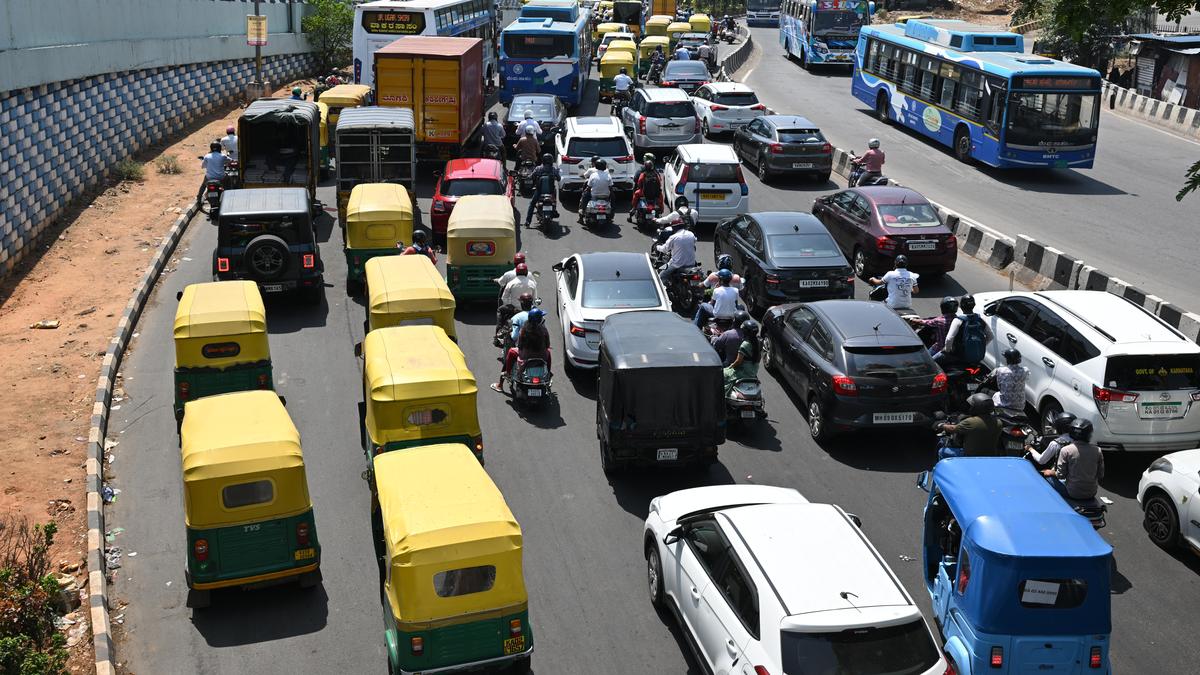
Fri Apr 10 01:53:52 UTC 2026: ### Bengaluru Faces Infrastructure Strain as Road Widening Projects Lag Behind
The Story: Bengaluru’s ambitious plan to widen 100 km of key roads, primarily focused on addressing traffic congestion in the city, faces challenges due to outdated planning and implementation delays. The project, spearheaded by the city’s five corporations, aims to improve connectivity in crucial areas, particularly the ITPL Main Road, a vital link between the southeastern and eastern parts of the city. However, commuters like Sakshi experience significant delays, highlighting the urgent need for infrastructure upgrades to keep pace with the city’s growth. The RMP 2015, which identified 80% of the roads to be widened, is already outdated by over a decade, further complicating the situation.
Key Points:
- Five city corporations in Bengaluru aim to widen key roads totaling 100 km.
- 80% of the roads identified for widening were included in the RMP 2015, a plan now over a decade old.
- The 10-km ITPL stretch is a key focus, connecting the southeastern and eastern parts of the city and serving Bengaluru’s tech hub.
- Commuters face significant congestion, with a 3 km stretch on ITPL Main Road taking up to 20 minutes during peak hours.
- The road widening project is intended to address congestion points along the ITPL corridor.
Critical Analysis:
The timing of this article, published on April 10, 2026, reveals a pattern of infrastructure development challenges amidst other significant events. The article about upgrading the Pune Grand Tour cycling race with a substantial investment (Rs 700 cr) in roads highlights a contrast. While Pune is investing heavily in new infrastructure for a specific event, Bengaluru struggles to implement previously planned road widening projects. This suggests a potential disparity in resource allocation or bureaucratic efficiency between different regions. The article also subtly underscores the increasing pressure on Bengaluru’s infrastructure due to sustained growth, especially in the tech sector.
Key Takeaways:
- Bengaluru’s infrastructure planning and implementation processes need to be more agile and responsive to the city’s rapid growth.
- Outdated planning documents can significantly hinder effective infrastructure development.
- Addressing traffic congestion is crucial for maintaining the economic viability and quality of life in Bengaluru, particularly in tech-heavy areas.
- Comparing infrastructure projects in different regions reveals potential disparities in investment and efficiency.
Impact Analysis:
The delays in Bengaluru’s road widening projects have significant long-term implications. Continued congestion can negatively impact productivity, increase pollution, and reduce the city’s attractiveness to businesses and residents. Failure to address these infrastructure challenges could stifle Bengaluru’s economic growth and exacerbate existing quality-of-life issues. The urgent need for updated infrastructure plans and streamlined implementation processes is critical for Bengaluru to maintain its position as a leading tech hub and a desirable place to live.
 First Piper