
Fri Apr 10 14:50:12 UTC 2026: Headline: Farmer Discontent Surfaces Over Land Compensation in Cauvery-Vaigai-Gundar River Linking Project
The Story:
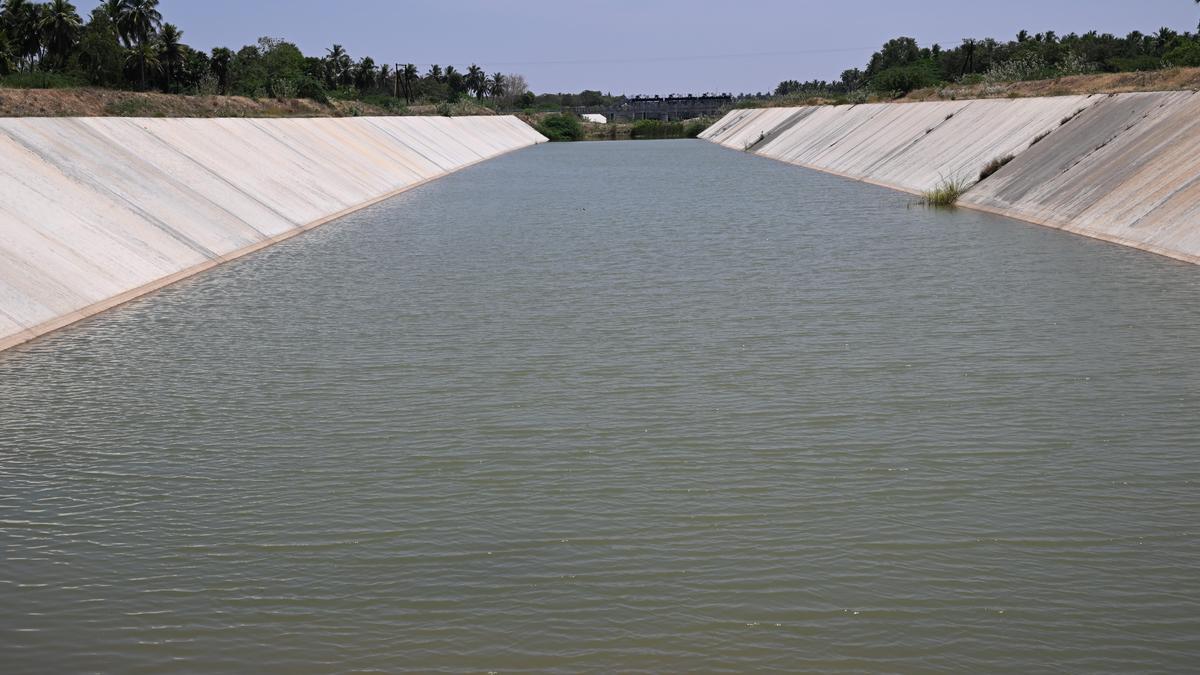
Published on April 10, 2026, an article from The Hindu highlights growing discontent among farmers in the Krishnarayapuram Assembly constituency of Karur district, Tamil Nadu, regarding the compensation provided for land acquired for the ambitious Cauvery-Vaigai-Gundar river linking project. Despite the region being crisscrossed by irrigation canals branching from the Cauvery River, many farmers in the Krishnarayapuram constituency report that they are not benefiting from the water resources.
The constituency, which is primarily agrarian and includes both areas near the Cauvery and arid regions, faces drinking water shortages, making it a prominent issue in the upcoming 2026 Assembly Elections. Voters express frustration with successive governments and elected officials for failing to ensure adequate Cauvery water supply to their villages and towns.
Key Points:
- Farmers in the Krishnarayapuram Assembly constituency are complaining about inadequate compensation for land acquired for the Cauvery-Vaigai-Gundar river linking project.
- The constituency is located on the banks of the Cauvery River but experiences water shortages, particularly in the Kadavur panchayat union.
- The lack of consistent Cauvery water supply is a major issue for voters in the upcoming 2026 Assembly Elections.
- The Cauvery-Vaigai-Gundar river linking project aims to provide irrigation to Karur, Tiruchi, Thanjavur, and Pudukkottai districts.
Key Takeaways:
- The Cauvery-Vaigai-Gundar river linking project, while intended to benefit a wide range of districts, is facing challenges in its implementation, particularly in terms of fair compensation for affected landowners.
- Water scarcity remains a critical issue in parts of Tamil Nadu, despite proximity to major rivers, highlighting the complexities of water management and distribution.
- The issue of inadequate compensation and water shortages is likely to influence voter behavior in the 2026 Assembly Elections, putting pressure on political parties to address these concerns.
 First Piper