
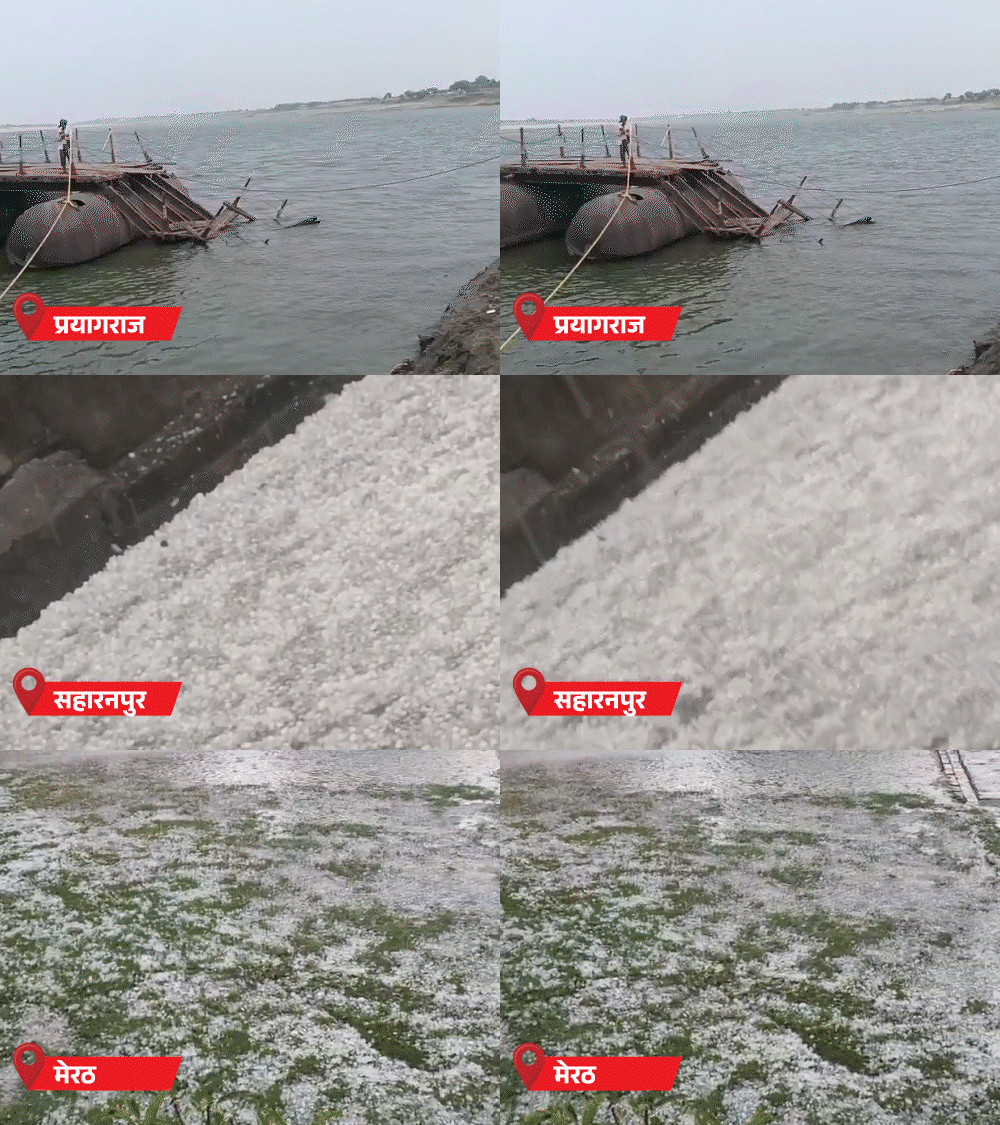
Thu Apr 09 16:50:00 UTC 2026: # Unseasonal Rains Damage Crops in Uttar Pradesh, Government Promises Relief
The Story
Unseasonal rainfall accompanied by strong winds lashed over 50 districts in eastern and western Uttar Pradesh on Wednesday and Thursday. The sudden change in weather, attributed to a western disturbance, brought significant rainfall and a drop in temperatures, providing temporary relief from the heat. However, the unseasonal rain has severely impacted farmers, causing damage to ready-to-harvest wheat crops, with crop lodging reported in several areas. The state government has directed officials to assess the damage within 24 hours and provide compensation to affected farmers. The weather is expected to become dry again, with temperatures predicted to rise by about 10 degrees in the next week.
Key Points
- Unseasonal rainfall and strong winds affected over 50 districts in Uttar Pradesh.
- The weather change was caused by a western disturbance.
- The rainfall caused significant damage to standing wheat crops ready for harvest.
- Banda recorded a night temperature drop of 9.4 degrees to 12°C.
- Lakhimpur Kheri received the highest rainfall at 15 mm.
- The weather is expected to become dry with rising temperatures in the coming week.
- Chief Minister Yogi Adityanath has directed officials to conduct surveys and provide compensation to affected farmers within 24 hours.
Key Takeaways
- Unpredictable weather patterns continue to pose a significant threat to agricultural production in Uttar Pradesh.
- The prompt response from the state government indicates a focus on addressing the immediate needs of farmers affected by the weather.
- The anticipated rise in temperature after the rainfall event suggests a potentially challenging transition for crops and overall agricultural management.
- The incident highlights the vulnerability of farmers to climate variability and the importance of effective disaster management strategies.
- The government’s commitment to compensate farmers underscores the importance of agricultural livelihoods and the need to mitigate the economic impact of natural disasters.
 First Piper