
Thu Apr 09 15:51:15 UTC 2026: # IAEA Chief Condemns Bushehr Attack, Welcomes US-Iran Ceasefire, and Backs India’s UNSC Bid
The Story:
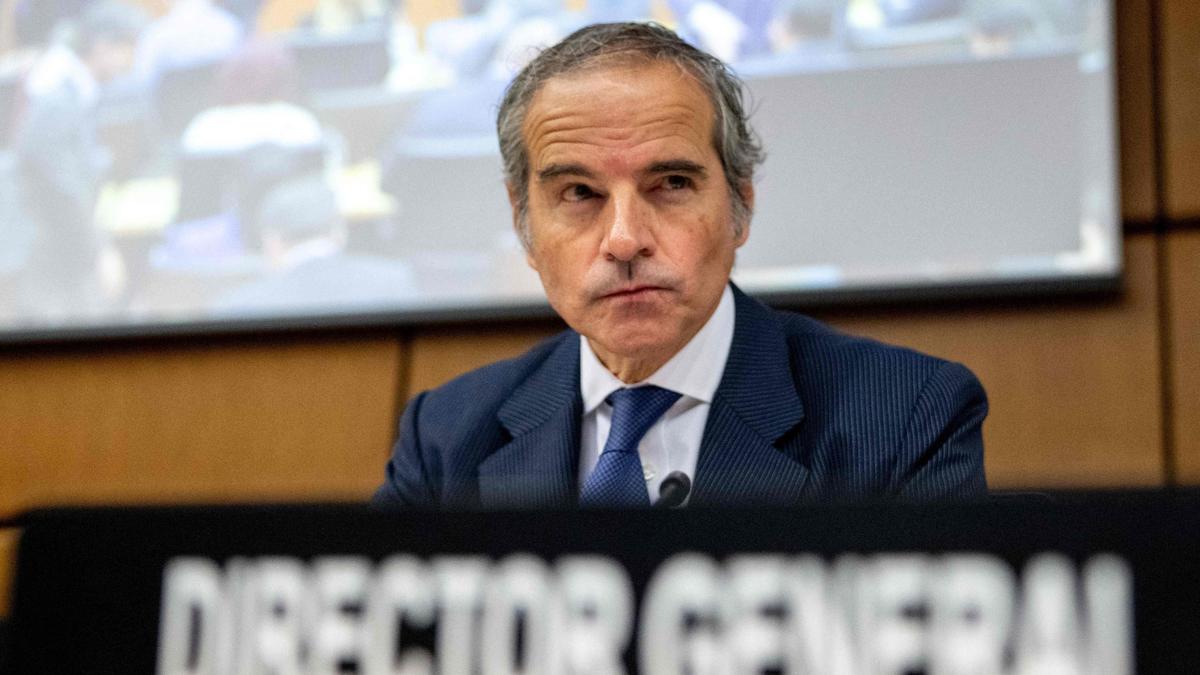
International Atomic Energy Agency (IAEA) Director-General Rafael Grossi has strongly condemned the attack on Iran’s Bushehr nuclear site, emphasizing that such incidents must never occur again. Speaking in an exclusive interview with The Hindu, Mr. Grossi, who is also a candidate for UN Secretary-General, welcomed the news of the U.S.-Iran ceasefire. He also expressed his belief that reform of the UN Security Council is possible and that India has a “legitimate” claim to a seat.
Key Points:
- Rafael Grossi, Director-General of the IAEA, condemned the attack on Iran’s Bushehr nuclear site.
- Grossi stressed the need to avoid any situation leading to the use of nuclear weapons, even in a limited capacity.
- He welcomed the U.S.-Iran ceasefire.
- Grossi believes UNSC reform is possible.
- He stated that India has a “legitimate” claim to a seat on the UNSC.
- The interview was published on April 09, 2026.
Critical Analysis:
The news from April 09, 2026, highlighting “Ceasefire Chaos: Israel Hits Lebanon, Iran Fires Back. Trump’s Next Move?” is highly relevant. Grossi’s condemnation of the Bushehr attack and his call to avoid nuclear weapon use are directly linked to the preceding conflict. The ceasefire, though welcome, likely came after a period of intense escalation involving attacks on nuclear facilities, a scenario Grossi is attempting to prevent from recurring. His support for India’s UNSC bid might be strategically timed, leveraging India’s potential role as a stabilizing force in the region.
Key Takeaways:
- The attack on the Bushehr nuclear site significantly heightened international tensions and prompted a strong response from the IAEA.
- The U.S.-Iran ceasefire is a fragile development in a volatile region, requiring ongoing diplomatic efforts.
- India’s potential role in the UNSC is being viewed as a stabilizing influence amidst global security concerns.
- Rafael Grossi’s campaign for UN Secretary-General is intertwined with his efforts to address nuclear proliferation and international security.
- The combination of military escalation and nuclear risk highlights the urgency of diplomatic solutions and international cooperation.
Impact Analysis:
The events of April 9, 2026, and the IAEA’s response, have potentially far-reaching implications:
- Nuclear Security: The Bushehr attack underscores the vulnerability of nuclear facilities in conflict zones, necessitating stronger international safeguards and security protocols.
- Regional Stability: The U.S.-Iran ceasefire, while a positive step, is likely to be tenuous, requiring continued diplomatic engagement and de-escalation efforts to prevent future conflicts.
- UNSC Reform: Grossi’s support for India’s UNSC bid could add momentum to ongoing discussions about reforming the Security Council to better reflect the current geopolitical landscape. This could reshape global power dynamics.
- Non-Proliferation: The near-use of nuclear weapons, or even the threat thereof, will likely spur renewed efforts to strengthen the non-proliferation treaty and prevent further nuclear proliferation.
- International Law and Norms: The attack on Bushehr will likely trigger a re-evaluation of international laws and norms regarding attacks on nuclear facilities, potentially leading to stricter regulations and enforcement mechanisms.
 First Piper