
Thu Apr 09 01:45:14 UTC 2026: Headline: Israel’s Lebanon Strikes Threaten US-Iran Ceasefire, Sparking International Condemnation
The Story:
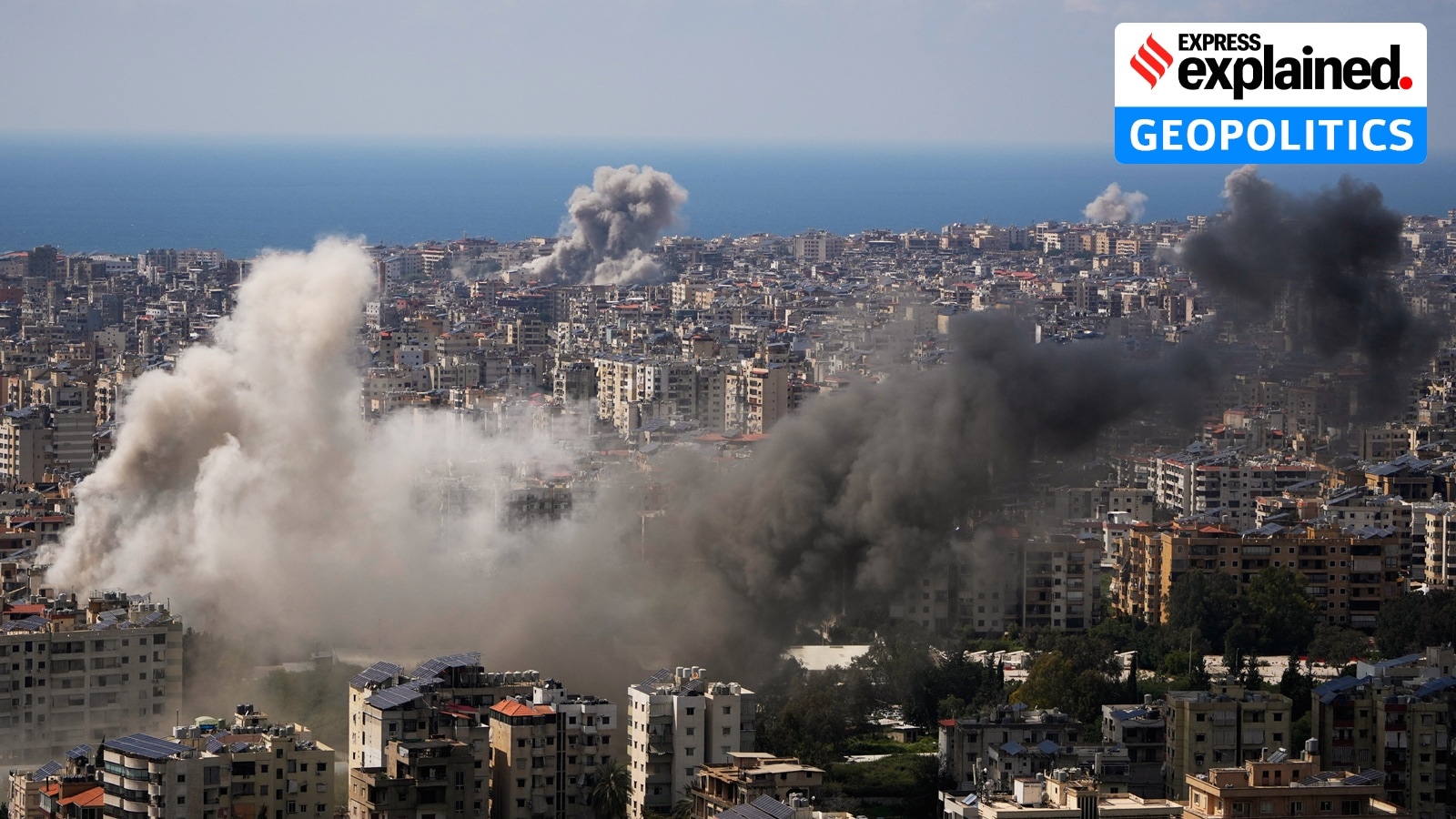
Just hours after the US and Iran announced a ceasefire mediated by Pakistan, Israel launched a massive coordinated strike across Lebanon, hitting over 100 targets in 10 minutes and killing approximately 250 people. This action has jeopardized the fragile ceasefire, with Iran reportedly closing the Strait of Hormuz and the US disavowing any agreement to cease operations in Lebanon. The strikes have drawn international condemnation, raising concerns about a potential escalation of the conflict.
Key Points:
- Israel launched a large-scale attack on Lebanon shortly after a US-Iran ceasefire was announced on April 8, 2026.
- The Israeli military claimed to have struck over 100 targets in 10 minutes, resulting in approximately 250 deaths.
- Iran has reportedly closed the Strait of Hormuz in response to the Israeli strikes.
- The US claims that ceasing operations in Lebanon was not part of the ceasefire agreement.
- Israeli Prime Minister Benjamin Netanyahu has signaled continued attacks on Lebanon despite the ceasefire.
- The ceasefire agreement sidelined Netanyahu and his stated goals regarding Iran’s nuclear and missile programs.
- Netanyahu faces criticism at home and an upcoming election, making a decisive victory over Hezbollah a political imperative.
- Israel’s Defense Minister Israel Katz stated Israel would occupy southern Lebanon up to the Litani river as a security buffer.
Critical Analysis:
Netanyahu’s actions appear driven by a confluence of factors. First, the US-Iran ceasefire sidelines him and his stated objectives regarding Iran’s nuclear ambitions and regime change. This marginalization threatens his political standing. Second, facing domestic criticism and an upcoming election, Netanyahu needs a victory, specifically over Hezbollah in Lebanon, to bolster his image. Third, the historical context of repeated conflicts between Israel and armed groups in Lebanon, including the failed 2006 war and the more recent clashes following the October 7, 2023 Hamas attack, suggests a deep-seated desire within Israel to eliminate the threat posed by Hezbollah. Finally, the stated goal of occupying southern Lebanon up to the Litani River reveals a strategic aim to create a security buffer zone, regardless of international agreements or potential consequences.
Key Takeaways:
- The US-Iran ceasefire is extremely fragile and vulnerable to actions by other involved parties, particularly Israel.
- Internal political pressures and leadership ambitions are significantly influencing the conflict, potentially overriding broader strategic considerations.
- The historical context of the Israel-Lebanon conflict is crucial for understanding the current escalation.
- The potential for a wider regional conflict remains high, given Iran’s response and international condemnation.
- The long-term viability of any peace agreement hinges on addressing the underlying security concerns of all parties involved.
Impact Analysis:
The Israeli strikes and the subsequent Iranian response have significant long-term implications. The collapse of the US-Iran ceasefire could lead to a broader regional war, drawing in other actors such as the US, Syria, and various non-state groups. The humanitarian crisis in Lebanon will likely worsen, with more civilian casualties and displacement. The international community’s condemnation of Israel could strain its relations with key allies. The closure of the Strait of Hormuz threatens global oil supplies and economic stability. Ultimately, this event series underscores the urgent need for a comprehensive and inclusive peace process that addresses the root causes of the conflict and ensures the security of all parties involved.
 First Piper