
Wed Apr 08 15:50:22 UTC 2026: ### Headline: Vance Criticizes European Ukraine Policy as US Engages in Iran
The Story:
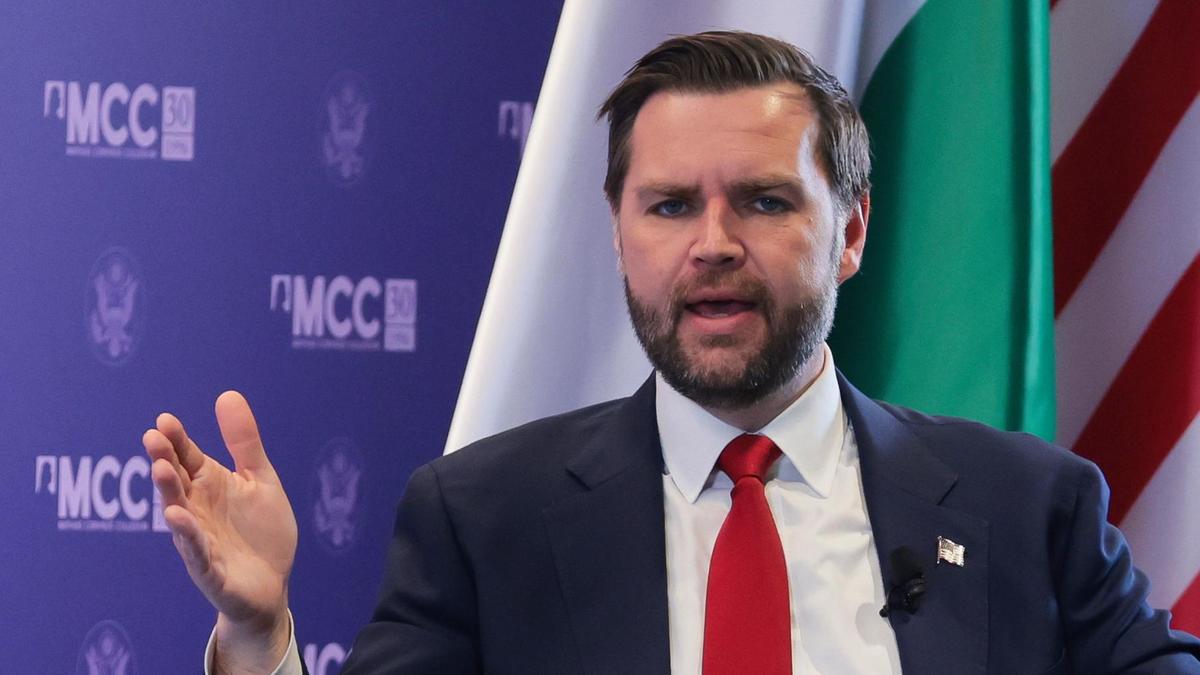
U.S. Vice President J.D. Vance publicly criticized European leaders on April 8, 2026, for what he perceives as insufficient efforts to resolve the ongoing conflict in Ukraine. Simultaneously, Kyiv urged the United States to leverage its newfound ceasefire agreement with Iran to pressure Russia into ending its invasion of Ukraine, citing Washington’s “decisiveness” as a model for success. These events occur amidst ongoing US-Israeli strikes on Iran.
Key Points:
- April 8, 2026: U.S. Vice President J.D. Vance criticized European efforts regarding the Ukraine conflict.
- Vance stated the Ukraine conflict has been the “hardest” to solve.
- Kyiv called on the U.S. to pressure Russia to end the invasion of Ukraine.
- Kyiv referenced the US ceasefire agreement with Iran as an example of successful US decisiveness.
- The news report is published amidst ongoing US-Israeli strikes on Iran.
Critical Analysis:
The concurrent events of Vance’s criticism of Europe and Kyiv’s appeal to the US, alongside US-Israeli strikes on Iran, suggest a complex geopolitical realignment. The US appears to be positioning itself as a decisive global actor, capable of brokering deals (Iran) and taking military action (Iran strikes), while simultaneously highlighting perceived shortcomings in European foreign policy regarding Ukraine. This could indicate a shift in US strategy, potentially aiming to increase its influence in both Eastern Europe and the Middle East.
Key Takeaways:
- The U.S. is actively attempting to shape the narrative and direction of the Ukraine conflict.
- Kyiv views U.S. intervention as crucial for resolving the conflict with Russia.
- The U.S. is projecting an image of strength and decisiveness on the global stage, contrasting it with European policy.
- The situation is further complicated by ongoing US-Israeli strikes on Iran, suggesting a multi-front foreign policy approach.
Impact Analysis:
The US’s evolving role in global conflicts, particularly its assertive stance towards Iran and its criticism of European handling of the Ukraine conflict, could have several long-term implications. It could lead to increased tension with European allies, a reshaping of the power dynamics in Eastern Europe, and further destabilization of the Middle East. The success or failure of the US’s strategy in Iran and Ukraine will likely determine the future of its global leadership role and the effectiveness of its foreign policy approach.
 First Piper