
Thu Apr 09 03:44:18 UTC 2026: # U.S. and Iran Disagree on Ceasefire Scope, Raising Concerns Over Lebanon
The Story:
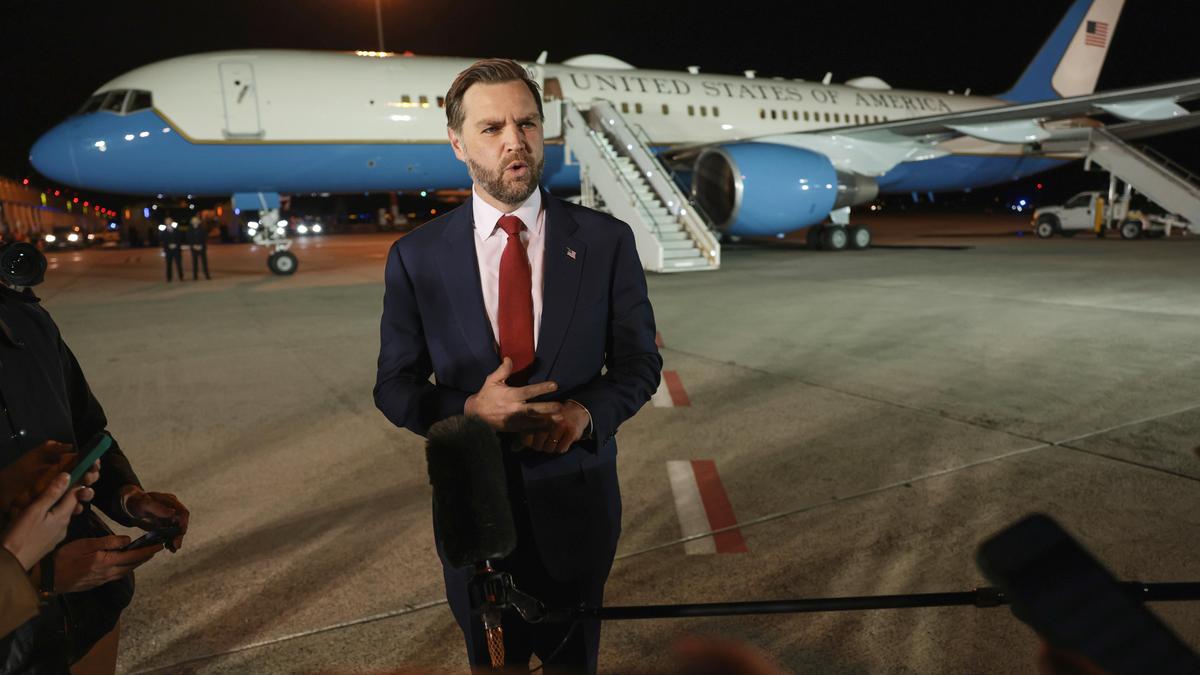
U.S. Vice-President J.D. Vance stated on April 8, 2026, that the U.S.-Iran ceasefire, agreed to on April 7, 2026, does not include Lebanon, contradicting earlier comments by Pakistani Prime Minister Shehbaz Sharif, who mediated the talks. Vance clarified that the U.S. position limits the ceasefire to Iran, U.S. allies including Israel, and Gulf Arab states. He noted Israel agreed to show restraint in Lebanon, without specifying further details.
Key Points:
- U.S. Vice-President J.D. Vance claims the U.S.-Iran ceasefire doesn’t include Lebanon.
- The ceasefire was agreed upon on April 7, 2026.
- Pakistani Prime Minister Shehbaz Sharif previously stated the truce would include Lebanon.
- The U.S. contends the ceasefire focuses on Iran, U.S. allies (including Israel), and Gulf Arab states.
- Israel has reportedly agreed to show restraint in Lebanon.
Critical Analysis:
The disagreement over Lebanon’s inclusion in the ceasefire agreement highlights the fragility of the truce and potential for renewed conflict. The historical context, specifically the note “Trump Agreed To Pause Iran War. How Netanyahu’s Lebanon Strikes May Resume It”, suggests the potential for Israeli actions in Lebanon to derail the ceasefire, despite Israel’s agreement to show restraint. The question, “Why would Iran agree to a ceasefire given US and Israeli track record?” further underscores the deep-seated distrust and skepticism surrounding the agreement’s longevity.
Key Takeaways:
- The U.S. and Iran have conflicting interpretations of the ceasefire agreement, specifically regarding Lebanon.
- The Pakistani Prime Minister’s prior statement about Lebanon’s inclusion complicates the situation and potentially undermines U.S. credibility.
- Israel’s role in Lebanon remains a critical factor that could impact the ceasefire’s success.
- Deep-seated distrust between Iran, the U.S., and Israel creates a precarious environment for maintaining the ceasefire.
Impact Analysis:
The disagreement over the ceasefire’s scope has significant implications for regional stability. If Israeli actions in Lebanon are perceived as violating the spirit of the ceasefire, Iran could retaliate, potentially reigniting the conflict. The ambiguity surrounding the agreement also allows for misinterpretations and escalations. The long-term impact hinges on whether the U.S., Iran, and Israel can clarify the terms of the ceasefire and establish a mechanism for de-escalation and conflict resolution. The involvement of other regional actors, particularly Gulf Arab states, adds another layer of complexity to the situation.
 First Piper