
Thu Apr 09 17:50:02 UTC 2026: Headline: Strait of Hormuz Sees Near-Zero Traffic as Iran-U.S. Talks Loom
The Story: Following a ceasefire in Iran, ship traffic through the Strait of Hormuz has plummeted to near zero, a sharp contrast to the slow increase seen before the agreement. This dramatic drop coincides with the scheduled beginning of direct talks between Iran and the U.S. in Pakistan, as shippers await definitive protocols for transit agreed upon by all stakeholders. Despite the overall slowdown, two tankers, Marivex and MSG, successfully transited the strait on April 9, 2026.
Key Points:
- Ship traffic in the Strait of Hormuz has decreased to almost zero after a ceasefire in Iran.
- Direct talks between Iran and the U.S. are scheduled to begin soon in Pakistan.
- Shippers are awaiting clarity on transit protocols.
- The Marivex tanker, carrying 12,800 tonnes of oil from Bandar Abbas to New Mangalore Port, transited the strait.
- The MSG tanker, carrying 7,000 tonnes of cargo from UAE to India, also transited the strait.
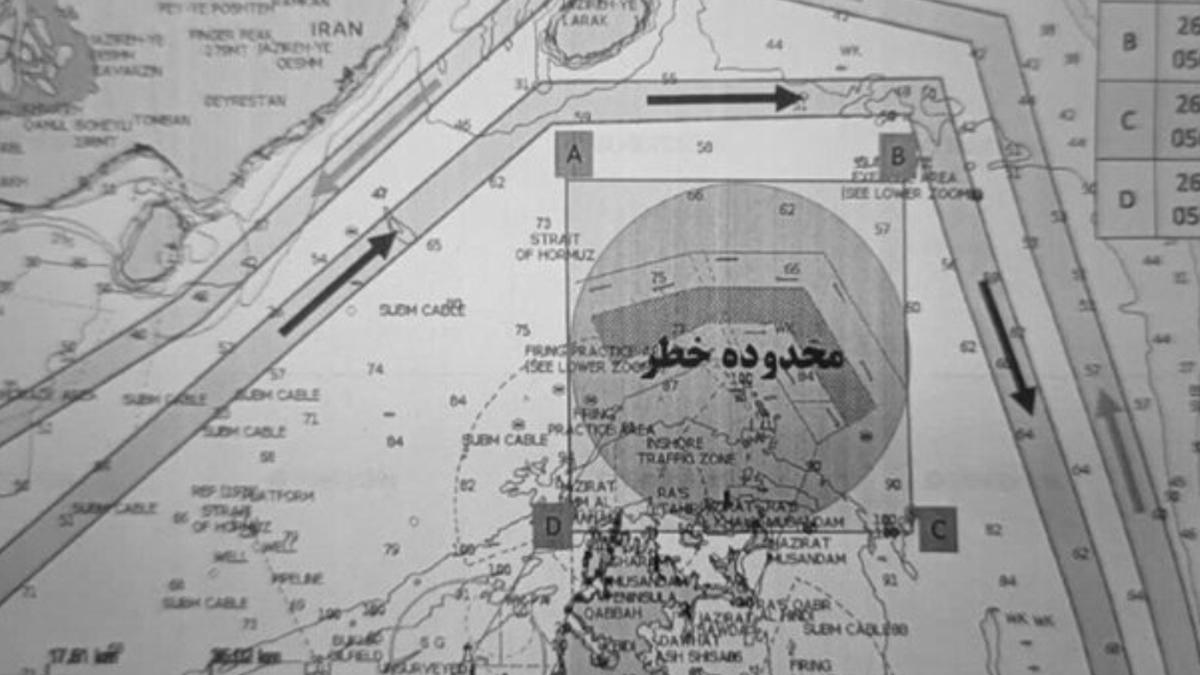
- A navigation chart shared by Nour News shows a zone marked as ‘Mahdoodeh-ye Khatar’ in Farsi, meaning ‘danger zone’.
Critical Analysis:
The related historical context highlights an article titled “Iran’s Approval, 15 Ships A Day: Strait Of Hormuz Opening Comes With Caveats.” This suggests that even before the ceasefire, the Strait’s operation was subject to Iranian approval and limitations. The current near-zero traffic, despite the ceasefire, coupled with impending US-Iran talks, indicates that Iran is likely leveraging control over the Strait as a bargaining chip in negotiations. The designation of a “danger zone” reinforces this strategic control and adds a layer of risk assessment for shippers.
Key Takeaways:
- The Strait of Hormuz remains a critical chokepoint heavily influenced by Iranian policy.
- Geopolitical negotiations between Iran and the U.S. directly impact global shipping routes and oil supply.
- Shippers face uncertainty and potential risks while awaiting clarity on transit protocols.
- The “danger zone” designation underscores the volatile security landscape of the region.
Impact Analysis:
The reduced traffic through the Strait of Hormuz will likely have a short-term impact on global oil supply chains, potentially leading to price fluctuations. The success of the US-Iran talks will be crucial in determining the long-term stability of shipping through the Strait. A failure to reach an agreement could result in prolonged disruptions, impacting economies reliant on oil imports from the region, including India. The need for alternative shipping routes and energy sources may become more pressing if the situation remains unresolved.
 First Piper