
Thu Apr 09 15:00:25 UTC 2026: # Telangana Issues Heatwave Advisory Amid Rising Temperatures
The Story:
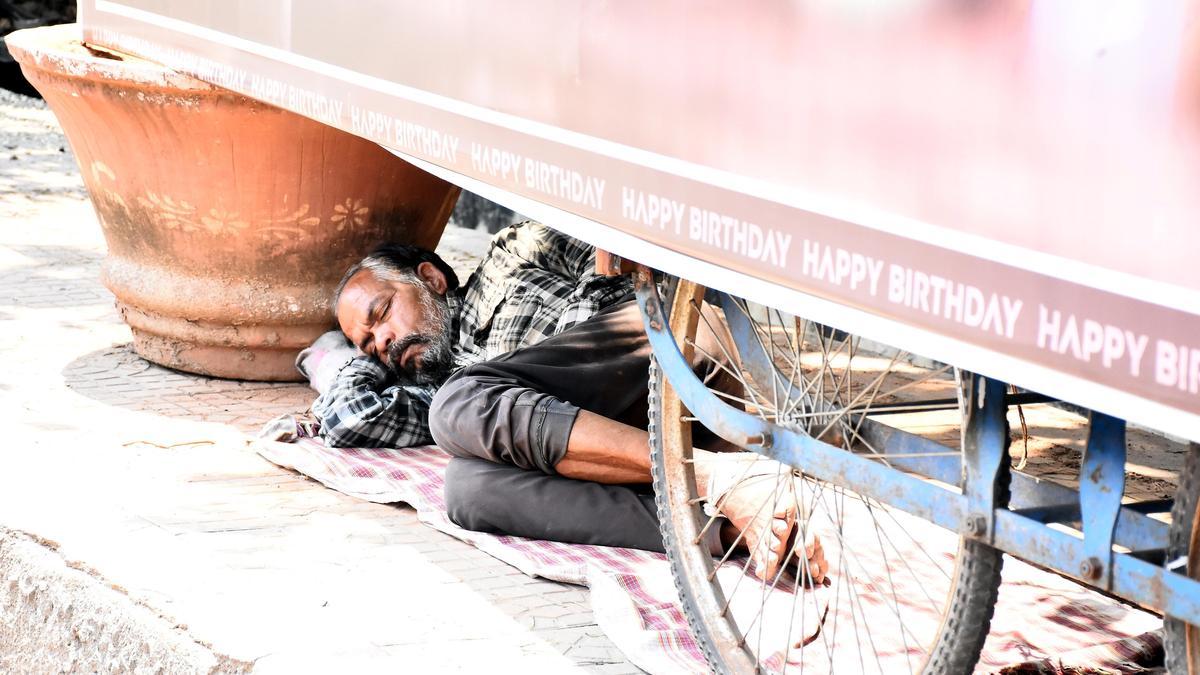
The Telangana Health Department has issued a heatwave advisory for the state as temperatures continue to climb, with many locations exceeding 41°C. The India Meteorological Department has issued an alert for a further increase of 2-3°C in maximum temperatures over the next three days. The advisory includes a list of dos and don’ts to help residents stay safe during the heatwave.
Key Points:
- The Telangana Health Department issued a heatwave advisory on April 9, 2026.
- Temperatures across the State have been rising.
- The India Meteorological Department forecasts a further 2-3°C rise in maximum temperatures.
- The advisory urges people to stay hydrated, remain indoors as much as possible, and cover themselves when going outside.
- People are advised to avoid going out between 12:00 p.m. and 3:00 p.m.
- The advisory recommends avoiding sugary drinks, high-protein, salty, spicy, and oily foods.
Critical Analysis:
The heatwave advisory in Telangana must be viewed in the context of the broader climate events unfolding globally. The announcement of a “Super El Niño” on April 9, 2026, suggests this heatwave may be part of a larger pattern of extreme weather events linked to the climate phenomenon. Although scattered showers and storms were predicted on April 9, 2026, the overall trend appears to be towards increased temperatures and heatwave conditions, requiring proactive public health measures.
Key Takeaways:
- The Telangana heatwave is a significant public health concern.
- The “Super El Niño” event likely exacerbates the heatwave conditions.
- Public health advisories are crucial for mitigating the impact of extreme heat.
- Long-term planning and adaptation strategies are needed to address increasing temperatures.
Impact Analysis:
The heatwave and related advisory have several potential long-term impacts:
- Public Health Strain: Increased heat-related illnesses, potentially overwhelming healthcare systems.
- Economic Productivity: Reduced outdoor work productivity, affecting sectors like agriculture and construction.
- Water Resources: Increased demand for water, potentially leading to water scarcity issues.
- Policy Implications: The need for more robust heat action plans, infrastructure improvements, and public awareness campaigns.
- Social Vulnerability: Disproportionate impact on vulnerable populations, such as the elderly, low-income communities, and outdoor workers.
 First Piper