
Thu Apr 09 12:42:01 UTC 2026: ### High Court Upholds Dignity, Enhances Compensation for Disabled Accident Victim
The Story:
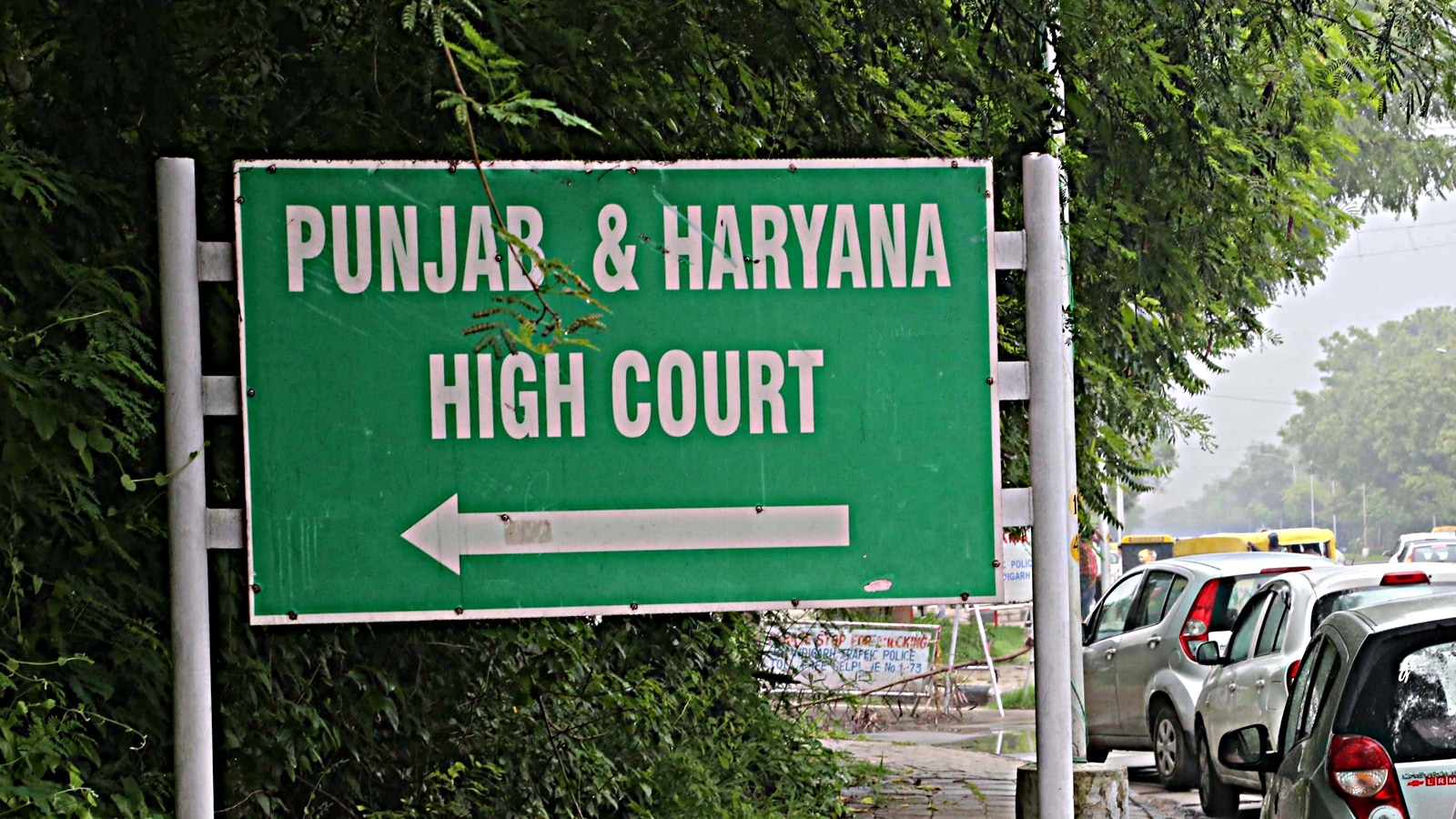
In a landmark decision, the Punjab and Haryana High Court significantly increased the compensation awarded to Ashkara Jain, a child who suffered permanent disability in a 2011 road accident. The court dismissed an appeal by Iffco Tokio General Insurance Company, which sought to reduce the original award of Rs 78.1 lakh, and instead enhanced the compensation to Rs 3.61 crore. Justice Archana Puri emphasized the need for “just compensation” that reflects a genuine attempt to restore the dignity of the victim, citing a Supreme Court ruling.
The ruling highlighted the inadequacy of the Motor Accident Claims Tribunal’s initial assessment, particularly regarding future medical expenses and pain and suffering. The court stressed that the compensation should be “fair, reasonable and equitable,” not “niggardly,” considering the child’s lifelong condition and the devastating impact of the accident on her life.
Key Points:
- The Punjab and Haryana High Court enhanced compensation for Ashkara Jain, a child permanently disabled in a 2011 road accident, to Rs 3.61 crore.
- Iffco Tokio General Insurance Company’s appeal to reduce the original award was dismissed.
- The court criticized the Motor Accident Claims Tribunal for failing to award “just compensation” and for underestimating future medical expenses and suffering.
- The court recalculated loss of earnings, future medical care, and attendant charges, significantly increasing the overall compensation.
- Rs 1 crore of the enhanced amount is to be released immediately for ongoing care, with the balance secured in fixed deposits.
Critical Analysis:
Not Applicable.
Key Takeaways:
- The ruling underscores the judiciary’s commitment to providing adequate compensation to victims of road accidents, especially those with severe and permanent disabilities.
- Insurance companies cannot expect to minimize their liabilities in cases involving lifelong care needs.
- The court’s emphasis on “dignity” and “humane approach” signals a shift towards more victim-centric compensation assessments.
- The judgment serves as a precedent for future cases involving similar circumstances, ensuring a more equitable distribution of compensation.
- The enhancement emphasizes the judiciary’s role in safeguarding citizens’ rights and ensuring fair compensation in accident cases.
Impact Analysis:
This decision has significant long-term implications for motor accident claims in India:
- Increased Payouts: Insurance companies can anticipate higher compensation payouts in cases involving severe, long-term disabilities, potentially impacting premium costs.
- Judicial Scrutiny: Motor Accident Claims Tribunals will likely face increased scrutiny from higher courts if their compensation assessments are deemed inadequate or “niggardly.”
- Legal Precedent: The ruling establishes a strong legal precedent, influencing future judgments and potentially leading to a more standardized approach to compensation calculations.
- Victim Empowerment: The enhanced compensation provides victims and their families with the financial resources necessary for ongoing care and support, improving their quality of life.
- Policy Implications: Governments and regulatory bodies may need to re-evaluate existing policies and frameworks related to motor accident compensation to ensure they align with the judiciary’s interpretation of “just compensation.”
 First Piper