
Thu Apr 09 17:03:42 UTC 2026: # Sahyog Portal Under Fire: Comedian Kunal Kamra Challenges Content Removal Powers in Bombay High Court
The Story:
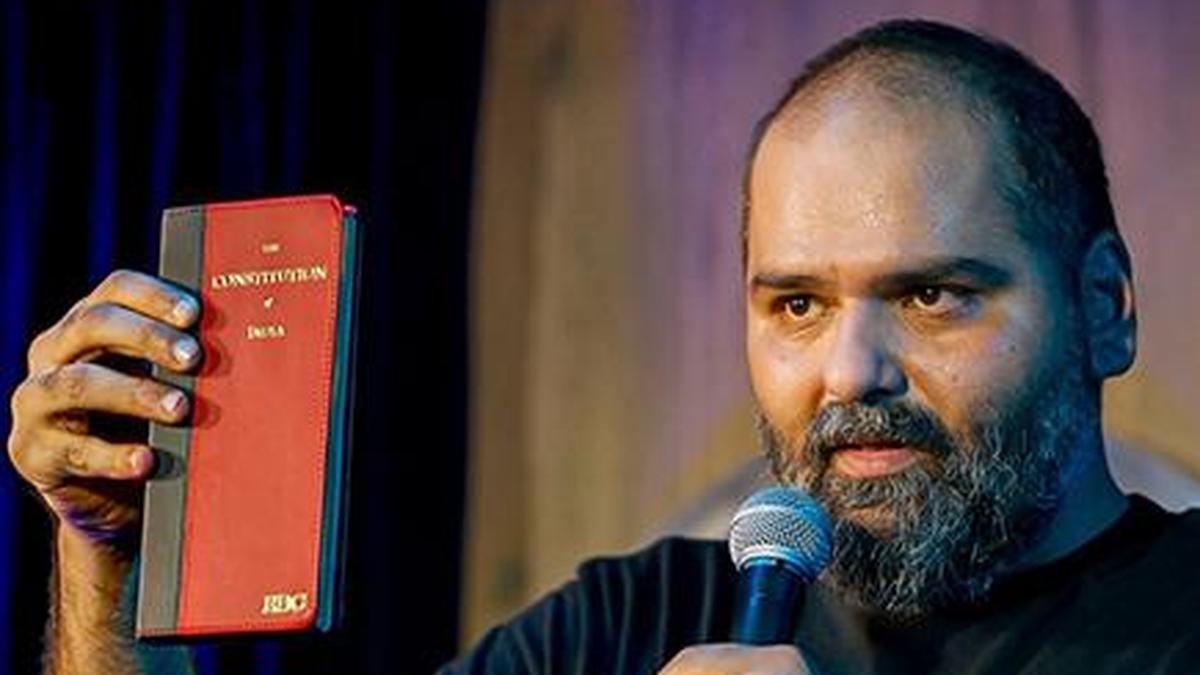
Comedian Kunal Kamra has challenged the legality of the Sahyog Portal in the Bombay High Court, arguing that the 2025 amendment to the IT Rules has led to a situation where police officers are arbitrarily ordering the removal of online content based on personal opinions. Represented by senior advocate N. Seervai, Kamra claims there are numerous instances of this occurring. The case is being heard by a division bench of Chief Justice Shree Chandrashekhar and Justice Gautam Ankhad.
Key Points:
- Kunal Kamra is challenging the Sahyog Portal in the Bombay High Court.
- He argues the 2025 amendment to the IT Rules allows police to remove content based on personal bias.
- Senior advocate N. Seervai is representing Kamra.
- The case is being heard by Chief Justice Shree Chandrashekhar and Justice Gautam Ankhad.
Critical Analysis:
The historical context provided indicates a pattern of the Sahyog Portal being used by the police to order the removal of content, as directly stated in the historical context “[Thu Apr 09 16:29:53 UTC 2026] Police using Sahyog Portal rules to order removal of content: Kunal Kamra: null”. This suggests a potential issue with the implementation or interpretation of the 2025 IT Rules amendment, raising concerns about freedom of speech and potential abuse of power.
Key Takeaways:
- The Sahyog Portal, intended for content regulation, is facing legal scrutiny.
- Concerns are rising about the potential for arbitrary censorship by law enforcement.
- The case highlights the ongoing tension between online content regulation and freedom of expression.
- The Bombay High Court’s decision will have significant implications for online speech in India.
Impact Analysis:
The outcome of Kunal Kamra’s challenge could significantly reshape the landscape of online content regulation in India. A ruling in favor of Kamra might necessitate a re-evaluation of the Sahyog Portal’s guidelines and implementation, potentially leading to stricter oversight and safeguards against arbitrary content removal. Conversely, a ruling against him could embolden law enforcement to continue using the portal in its current form, potentially chilling free speech and leading to increased self-censorship. The case’s impact extends beyond the immediate parties involved, potentially affecting the broader digital ecosystem and the balance between state power and individual rights.
 First Piper