
Thu Apr 09 06:50:50 UTC 2026: ### Sikkim Landslides: Army Launches Operation HimSetu to Rescue Stranded Tourists
The Story:
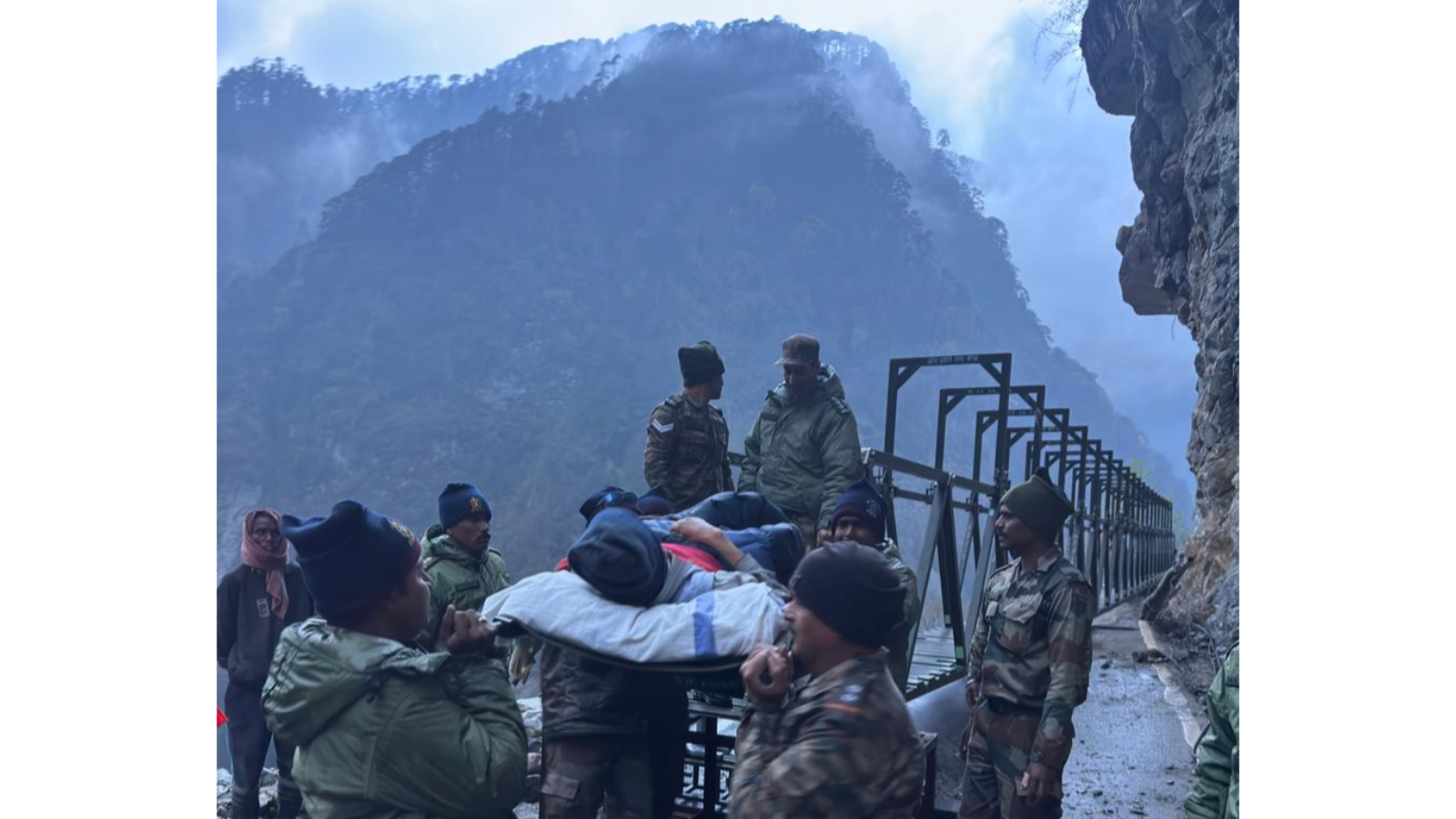
The Indian Army’s Eastern Command has initiated Operation HimSetu to rescue over 1,000 tourists stranded in North Sikkim following massive landslides and the collapse of a vital bridge. The Trishakti Corps has successfully evacuated 135 tourists from the Lachen area as of Thursday, prioritizing medical emergencies. The bridge collapse near Tarum Chu, just a month after its inauguration in February, has severed connectivity between Lachen and Chungthang.
Key Points:
- Operation HimSetu launched by the Army’s Eastern Command to rescue stranded tourists.
- Over 1,000 tourists stranded in North Sikkim due to landslides and bridge collapse.
- 135 tourists evacuated from Lachen by the Trishakti Corps, prioritizing medical cases.
- Bridge near Tarum Chu collapsed a month after inauguration, severing connectivity between Lachen and Chungthang.
- The Border Roads Organisation (BRO) is working to restore road connectivity.
- A walkable bridge has been installed by the Army to facilitate foot crossing and evacuation.
- Severe weather, including heavy snowfall and storms, has battered the region for weeks.
Key Takeaways:
- The incident highlights the vulnerability of infrastructure in the Himalayan region to extreme weather events.
- Rapid response by the Indian Army and other agencies is crucial in mitigating the impact of natural disasters on tourism and local communities.
- The collapse of a newly constructed bridge raises questions about construction quality and resilience in the face of harsh environmental conditions.
- Continued monitoring and proactive disaster management strategies are essential for safeguarding infrastructure and lives in North Sikkim.
Impact Analysis:
The Sikkim landslide and bridge collapse will likely have several long-term implications:
- Tourism Downturn: The incident may deter tourists from visiting North Sikkim in the short term, impacting the local economy which is heavily reliant on tourism.
- Infrastructure Review: A thorough review of existing infrastructure and construction practices in the region is warranted to ensure resilience against future extreme weather events.
- Disaster Preparedness: Enhanced disaster preparedness measures, including early warning systems and evacuation plans, are needed to minimize the impact of future natural disasters.
- Economic Impact: Reconstruction of the bridge and roads will require significant investment, potentially straining state resources.
- Environmental Concerns: The incident may prompt discussions on the impact of climate change and unsustainable development on the fragile Himalayan ecosystem.
 First Piper