
Thu Apr 09 13:01:08 UTC 2026: ### Kerala Elections See Brisk Polling, High Turnout Across India
The Story:
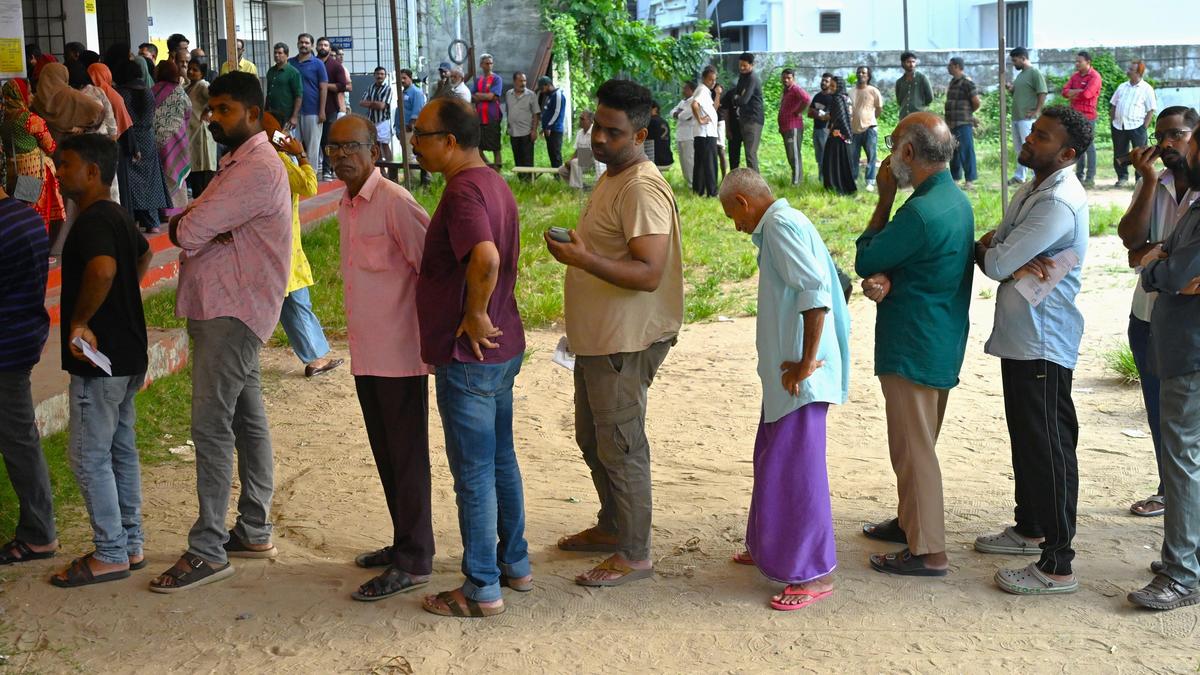
Kerala held its Assembly elections on Thursday, April 9, 2026. Polling commenced at 7 a.m., with Salim, a local laborer, casting the first vote at booth number 87 in the Kochi Assembly constituency. The initial hours saw brisk polling, with long queues forming outside the booths. This election is part of a larger series of state elections across India, including Assam and Puducherry.
Key Points:
* The Kerala Assembly elections took place on April 9, 2026.
* Salim was the first voter at booth number 87 in the Kochi Assembly constituency.
* The initial polling hours saw long queues and brisk voting.
* Other elections occurred simultaneously in Assam and Puducherry.
* Kerala recorded a voter turnout of 75%.
Critical Analysis:
The high voter turnout across multiple states (Assam with 84.42%, Puducherry exceeding 86%, and Kerala at 75%) indicates a significant level of civic engagement and public interest in the political process. The AIADMK’s promise of crop loan waivers in Tamil Nadu, happening concurrently, suggests agricultural issues are a prominent concern in the region. The global context of potential US-Iran truce extensions affecting Israeli strikes in Lebanon adds a layer of complexity, suggesting that domestic politics are unfolding against a backdrop of significant international developments.
Key Takeaways:
- The 2026 Assembly elections in Kerala witnessed active participation from the electorate.
- Simultaneous high voter turnouts in multiple states suggest a nationwide trend of increased civic engagement.
- Agricultural issues, exemplified by the AIADMK’s promise, remain a key factor in regional politics.
- Domestic political events are occurring against a backdrop of significant international developments, potentially influencing voter sentiment.
Impact Analysis:
The high voter turnout in these state elections could indicate a shift in the political landscape. Increased civic engagement can lead to greater accountability from elected officials and influence policy decisions. The success or failure of promises like the AIADMK’s crop loan waiver will likely shape future electoral outcomes and government policies related to agriculture. Furthermore, the intersection of domestic and international events highlights the interconnectedness of politics and the need for governments to address both local and global challenges.
 First Piper