
Thu Apr 09 13:30:26 UTC 2026: ### Iran Rejects Uranium Enrichment Restrictions Amid Regional Tensions
The Story:
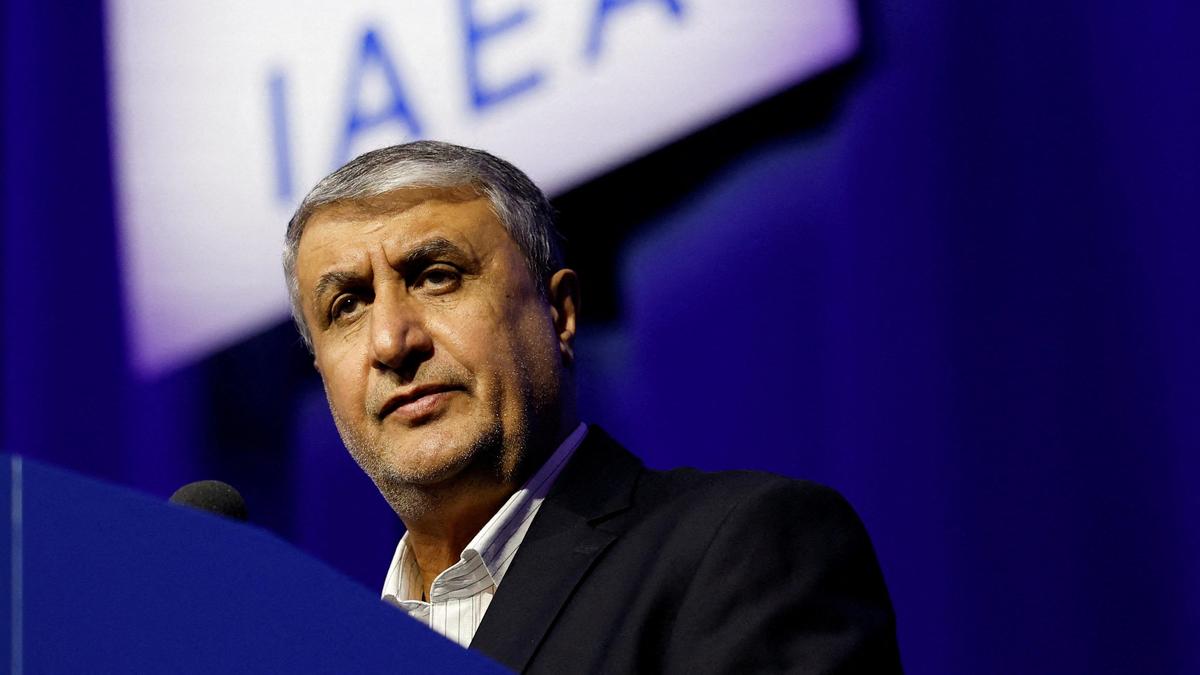
Mohammad Eslami, head of the Atomic Energy Organization of Iran (AEOI), declared on April 9, 2026, that Iran will not accept any restrictions on its uranium enrichment program. This statement directly rebuffs demands from the United States and Israel. Eslami, as reported by Iran’s ISNA news agency, characterized these demands as “merely wishes that will be buried.”
Key Points:
- Date: April 9, 2026
- Source: ISNA news agency
- Speaker: Mohammad Eslami, head of the AEOI
- Subject: Rejection of uranium enrichment restrictions.
- Addressees: United States and Israel
Critical Analysis:
The timing of Eslami’s statement is crucial. The provided context reveals an ongoing Iran-Israel war, Israeli strikes on Lebanon, and concerns from the IAEA about attacks on Iranian nuclear sites. These events suggest a highly volatile regional environment where Iran feels increasingly threatened. Eslami’s defiant stance is likely a response to perceived external pressure and an attempt to maintain a strong negotiating position amidst the conflict. The rejection of restrictions can be seen as a direct challenge to the U.S. and Israel, signaling Iran’s resolve to continue its nuclear program despite the escalating tensions. Further, the fact that Netanyahu is instructing his Cabinet to begin direct negotiations with Lebanon at the same time suggests that Israel may be attempting to open up another front of negotiation to decrease pressure on Israel.
Key Takeaways:
- Iran is directly challenging the U.S. and Israel regarding its nuclear program.
- Regional tensions, particularly the ongoing Iran-Israel war, are influencing Iran’s nuclear policy.
- The IAEA‘s concerns about the safety of Iranian nuclear sites highlight the risks of military escalation.
- The statement solidifies Iran’s position that its nuclear program is non-negotiable under current circumstances.
Impact Analysis:
Eslami’s declaration is likely to further escalate tensions in the Middle East. The U.S. and Israel may perceive this as a provocation, potentially leading to increased sanctions, covert operations, or even direct military action against Iranian nuclear facilities. The breakdown of potential negotiations on Iran’s nuclear program could have far-reaching consequences for regional stability and the global non-proliferation regime. The war between Iran and Israel will likely continue, as neither party seems willing to back down. The possibility of further attacks on Iranian nuclear sites remains high, exacerbating the crisis.
 First Piper