
Wed Apr 08 13:21:21 UTC 2026: ### U.S. Announces Ceasefire with Iran After Weeks of Hostilities
The Story:
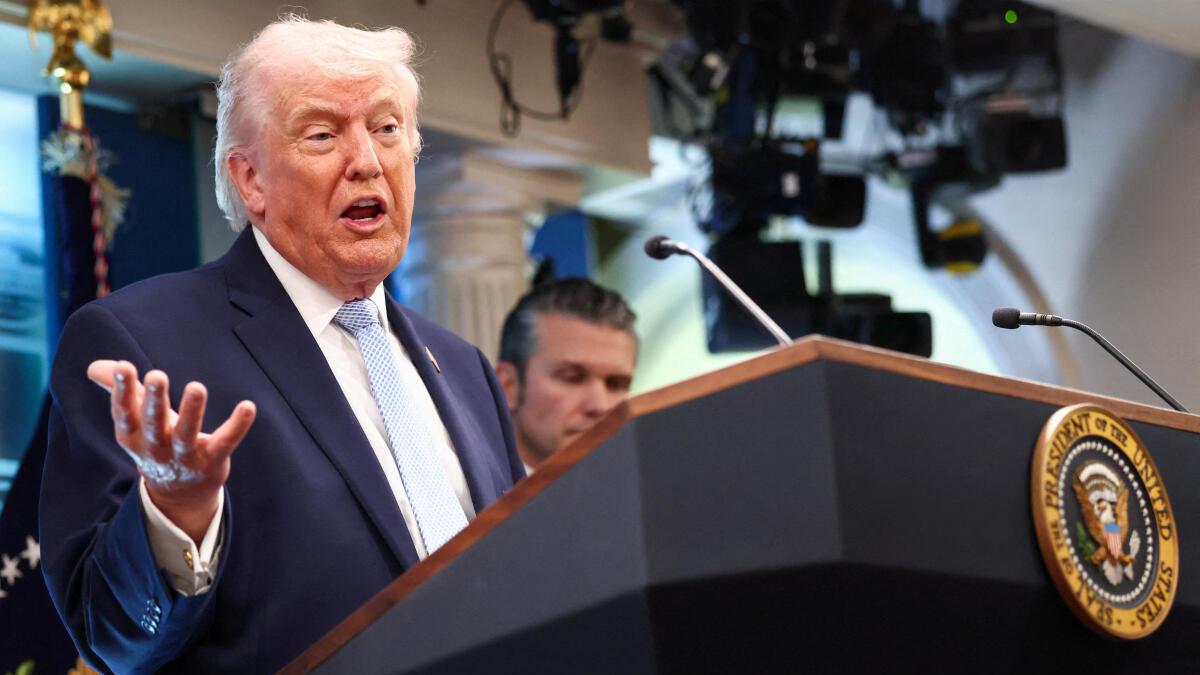
After 40 days of war, U.S. President Donald Trump announced a two-week ceasefire with Iran on April 8, 2026, just hours after threatening to “erase the Iranian civilization” if Tehran did not accept his deal. This announcement marks a significant shift from his earlier stance on March 6, 2026, where he demanded “UNCONDITIONAL SURRENDER!” from Iran. The ceasefire includes a pause on strikes against Iranian civilian infrastructure, with the U.S. agreeing to treat Iran’s proposal as a “workable basis” for future talks.
Iran has reciprocated by agreeing to honor the ceasefire and ensure the “safe passage” of vessels through the Strait of Hormuz, “in coordination with its forces.”
Key Points:
- Donald Trump announced a two-week ceasefire with Iran on April 8, 2026.
- The ceasefire follows 40 days of war and a previous threat to “erase the Iranian civilization.”
- The U.S. will treat Iran’s proposal as a “workable basis” for future talks.
- Iran will honor the ceasefire and ensure safe passage through the Strait of Hormuz.
- On March 6, 2026, Trump demanded “UNCONDITIONAL SURRENDER!” from Iran.
Critical Analysis:
The sudden shift in President Trump’s rhetoric, from demanding unconditional surrender to accepting a ceasefire and considering Iran’s proposal, suggests a recalibration of U.S. strategy. The related context indicates that Israel’s strikes on Lebanon are complicating negotiations and that Iran is refusing to restrict its enrichment program, perhaps influencing the decision to de-escalate, at least temporarily. The fact that Netanyahu’s corruption trial is set to resume soon after the ceasefire suggests internal Israeli political considerations may be playing a role as well. The global calls to extend the U.S.-Iran truce following Israel’s Lebanon strikes imply significant international pressure for de-escalation.
Key Takeaways:
- The ceasefire represents a significant de-escalation of the conflict between the U.S. and Iran.
- International pressure and regional conflicts (Israel’s strikes on Lebanon) likely influenced the U.S. decision.
- The future of U.S.-Iran relations remains uncertain, dependent on the outcome of future talks.
- Iran’s commitment to safe passage through the Strait of Hormuz is crucial for global trade.
- Internal political considerations in both the U.S. and Israel may be impacting the dynamics of the conflict.
Impact Analysis:
The ceasefire, while temporary, has several potential long-term implications. Firstly, it opens a window for diplomatic negotiations, potentially leading to a more stable relationship between the U.S. and Iran. Secondly, the stability of the Strait of Hormuz is crucial for global energy markets, and the ceasefire provides a respite from potential disruptions. Thirdly, the regional dynamics are significantly impacted, as the conflict has the potential to draw in other actors, such as Israel and Lebanon, as evidenced by the related context. Finally, the resumption of Netanyahu’s corruption trial could potentially destabilize the Israeli government, further impacting the region’s political landscape. The success of future talks will determine whether this ceasefire leads to lasting peace or merely a temporary pause in hostilities.
 First Piper