
Thu Apr 09 16:29:13 UTC 2026: # Trump’s Greenland Threat Resurfaces Amidst Iran Ceasefire and NATO Tensions
The Story:
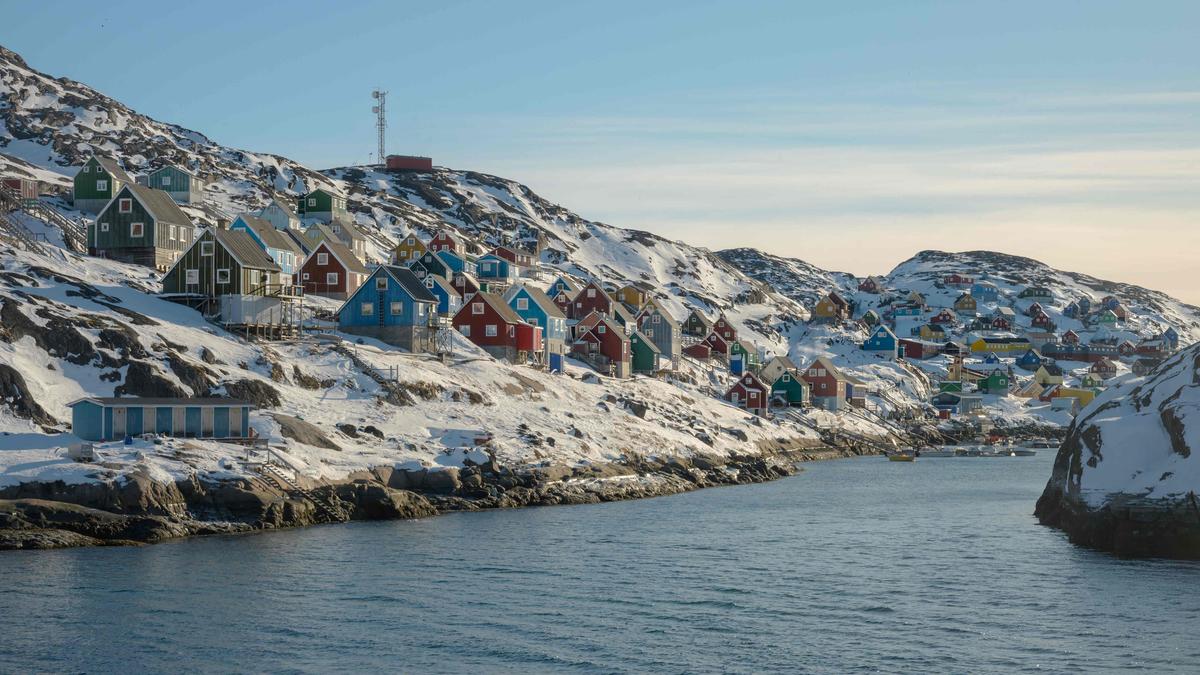
Just a day after a ceasefire was reached in the devastating U.S. war on Iran, former President Donald Trump, in a April 9, 2026 post on Truth Social, has reignited the debate over a potential U.S. takeover of Greenland. The post, which followed a meeting with NATO Secretary General Mark Rutte, criticized NATO’s past and future reliability, and disparaged Greenland as a “big, poorly run, piece of ice!!!” The timing of the post, so soon after the Iran ceasefire, has raised eyebrows and sparked renewed discussion about U.S. intentions in the Arctic.
Key Points:
- Donald Trump posted on Truth Social on April 9, 2026, threatening Greenland.
- The post criticized NATO’s past and future support.
- The post referred to Greenland as a “big, poorly run, piece of ice!!!”
- The post came two hours after a meeting with NATO Secretary General Mark Rutte.
- The post follows a ceasefire in the U.S. war on Iran.
Critical Analysis:
The timing of Trump’s post is noteworthy. The recent ceasefire with Iran, coupled with Trump’s criticism of NATO immediately after meeting its Secretary General, suggests a potential shift in U.S. foreign policy priorities. Trump’s renewed interest in Greenland could indicate a desire to assert U.S. dominance in the Arctic, potentially to counter Russian or Chinese influence. His criticism of NATO could be a negotiating tactic, aimed at pressuring the alliance to align more closely with U.S. interests.
Key Takeaways:
- Trump continues to exert influence on U.S. foreign policy, even after leaving office.
- The U.S. may be re-evaluating its relationship with NATO.
- Greenland remains a potential point of contention in U.S. foreign policy.
- The Arctic is becoming an increasingly important geopolitical region.
- The Iran ceasefire may be a temporary reprieve, with Trump potentially seeking new avenues to assert U.S. power.
Impact Analysis:
Trump’s remarks, regardless of his current political status, carry weight and can impact international relations. His renewed focus on Greenland could strain relations with Denmark, which governs the territory, and potentially escalate tensions in the Arctic region. The uncertainty surrounding U.S. commitment to NATO could weaken the alliance and embolden adversaries. The long-term implications could include a reshaping of global power dynamics and increased competition for resources and influence in the Arctic.
 First Piper