
Thu Apr 09 06:53:13 UTC 2026: # Trump’s NATO Tirade and Renewed Greenland Interest Raise Alliance Concerns
The Story:
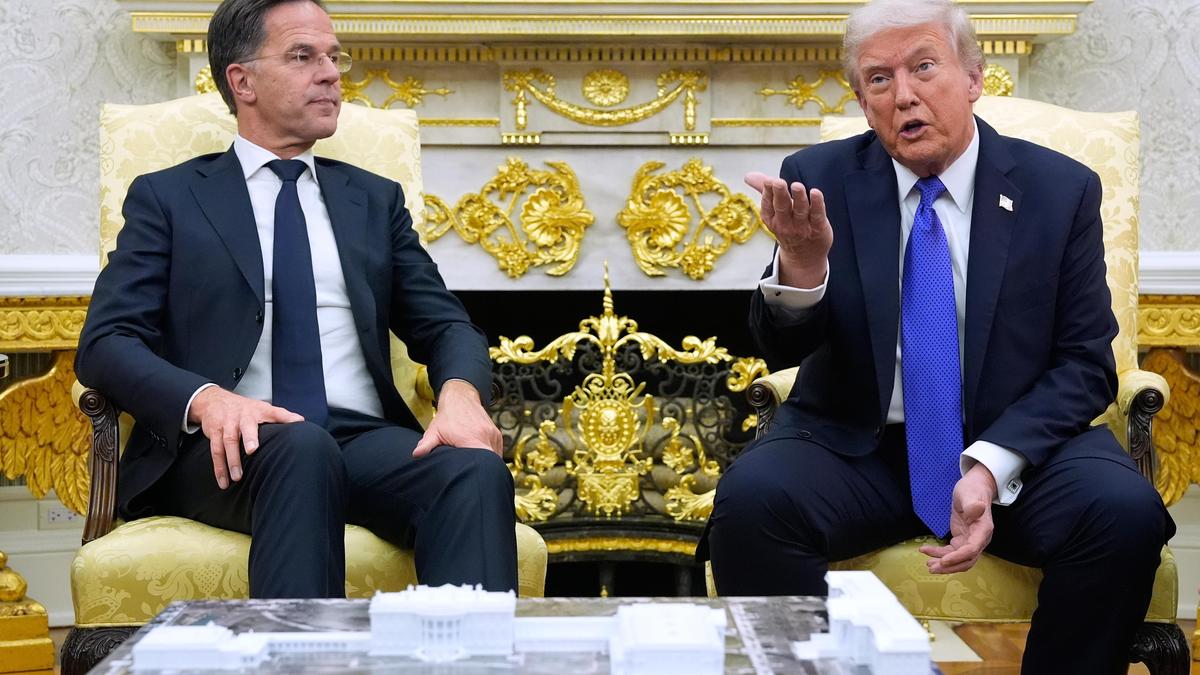
President Donald Trump has once again ignited concerns about the United States’ commitment to NATO, publicly criticizing the alliance after a closed-door meeting with NATO Secretary General Mark Rutte on April 9, 2026. The meeting, which was expected to address the possibility of the U.S. withdrawing from the security bloc, took place amid Trump’s displeasure with NATO allies for not joining his war against Iran. He also appeared to revive his interest in acquiring Greenland.
Key Points:
- Date: April 9, 2026.
- Participants: President Donald Trump and NATO Secretary General Mark Rutte.
- Location: Washington.
- Key Issues: Trump’s criticism of NATO allies, potential U.S. withdrawal from NATO, the war against Iran, and renewed interest in Greenland.
- Context: Trump is reportedly unhappy with NATO allies for not supporting his war against Iran.
Critical Analysis:
The historical context surrounding this event reveals a pattern of escalating tensions involving the Trump administration:
- War with Iran: Trump’s ongoing conflict with Iran is a central driver of his dissatisfaction with NATO, suggesting a desire for greater allied support in this specific conflict.
- Vatican Criticism: The report of Pentagon threatening the Pope after criticism of Trump reveals a pattern of aggressive responses to any opposition, including from religious leaders.
- Chinese Pharma Lobbying: The lobbying firm tied to Trump Jr. and its connections to a Chinese Pharma company beating a US national security challenge suggests a pattern of prioritizing personal or political gains over national security concerns which might reflect on his dealings with NATO.
Key Takeaways:
- Trump’s commitment to NATO remains questionable, potentially undermining the alliance’s stability.
- The war with Iran is a key factor influencing Trump’s stance on NATO.
- Trump’s aggressive foreign policy and disregard for traditional alliances are causing significant international unease.
- Trump’s administration has been accused of prioritizing personal or political gains over national security concerns.
Impact Analysis:
The potential withdrawal of the U.S. from NATO would have far-reaching implications for global security:
- Weakened NATO: Without U.S. support, NATO’s ability to deter aggression and maintain security in Europe would be significantly diminished.
- Increased Instability: The absence of U.S. leadership could embolden Russia and other actors, leading to increased instability in Europe and beyond.
- Shifting Alliances: European nations may be forced to seek alternative security arrangements, potentially leading to the formation of new alliances and a realignment of global power.
- Damage to U.S. Credibility: Withdrawing from NATO would damage the U.S.’s reputation as a reliable ally and undermine its ability to project power and influence around the world.
 First Piper