
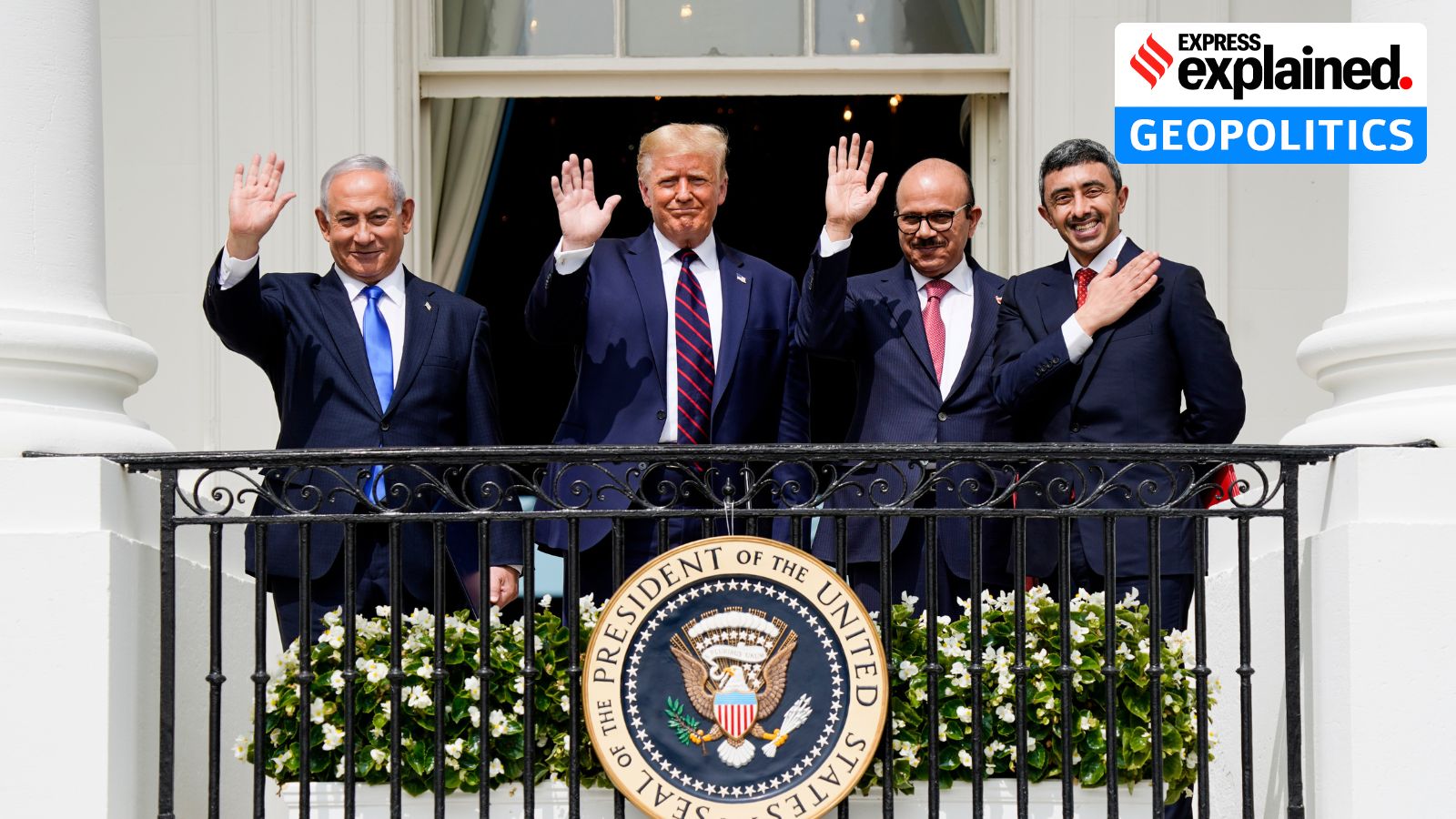
Mon Apr 06 11:38:14 UTC 2026: Headline: Bahrain Leads GCC Diplomatic Charge Against Iran at UN Amidst Ongoing Conflict
The Story: In the midst of an ongoing war, Bahrain, the smallest member of the Gulf Cooperation Council (GCC), has taken a leading role in diplomatic efforts against Iran at the United Nations Security Council (UNSC). This initiative comes as other Gulf states attempt to dissuade Iran from attacking “US targets” on their territories. Bahrain submitted Resolution 2817 (2026) to the UNSC on February 28, which was formally adopted on March 11, with the support of the GCC and 136 co-sponsoring countries. The resolution aims to address the disruption of global energy supplies due to the closure of the Strait of Hormuz, orchestrated by the Islamic Revolutionary Guard Corps (IRGC).
The move is considered a strategic shift, with Bahrain acting as the “diplomatic guardian of the Gulf,” urging international action while larger GCC members exercise restraint to avoid escalating the conflict. Despite facing internal dissent and historical tensions with Iran, Bahrain, under the leadership of King Hamad bin Isa Al Khalifa and Minister Abdullatif bin Rashid al-Zayani, is leveraging its position to emphasize international law and maritime security.
Key Points:
- Bahrain leads a GCC diplomatic charge against Iran at the UNSC, submitting Resolution 2817 (2026).
- The resolution addresses the closure of the Strait of Hormuz by the IRGC, causing significant energy disruptions.
- The resolution was co-sponsored by 136 countries, signaling broad international support.
- The US, UK, and France strongly back the resolution, while China and Russia abstained.
- Bahrain seeks to invoke Article 51 of the UN Charter, claiming the “right to self-defense” due to Iranian attacks.
- Bahrain’s Shia population faces internal tensions, with arrests made following pro-Iran protests.
Critical Analysis:
The timing of the resolution, delayed from its original date of April 4, highlights the complexities of international consensus, particularly given the abstentions of Russia and China. Bahrain’s leading role, as opposed to traditional leaders like Saudi Arabia and the UAE, suggests a deliberate strategy within the GCC to present a unified front while mitigating the direct vulnerability of larger economic hubs to Iranian retaliation. The internal tensions within Bahrain, fueled by the death of Ayatollah Ali Khamenei and the arrest of activists, add a layer of complexity to Bahrain’s diplomatic stance, potentially influencing its determination to address Iranian actions.
Key Takeaways:
- Bahrain’s leadership in this diplomatic effort signifies a shift in GCC strategy, prioritizing international law and collective action.
- The Strait of Hormuz blockade represents a critical global security threat, with significant implications for energy supplies.
- Internal tensions within Bahrain, while present, are unlikely to escalate into a full-scale rebellion due to the country’s economic integration and security infrastructure.
- The division of labor within the GCC demonstrates a calculated approach to managing the conflict with Iran.
- The success of Bahrain’s diplomatic initiative hinges on overcoming the divided international consensus, particularly regarding Russia and China’s positions.
Impact Analysis:
Bahrain’s prominent role in this conflict could elevate its standing within the GCC and on the international stage, demonstrating its capability in middle-power diplomacy. This may lead to increased influence in regional security matters and a greater role in shaping future GCC foreign policy. The resolution itself, regardless of its immediate impact, sets a precedent for addressing maritime security threats and could influence future international responses to similar crises. The long-term impact on Bahrain-Iran relations will depend on the resolution’s success and the overall trajectory of the ongoing
 First Piper