
Mon Apr 06 19:30:00 UTC 2026: ### Headline: Amazon and USPS Impose Fuel Surcharges as Iran War Drives Up Oil Prices
The Story:
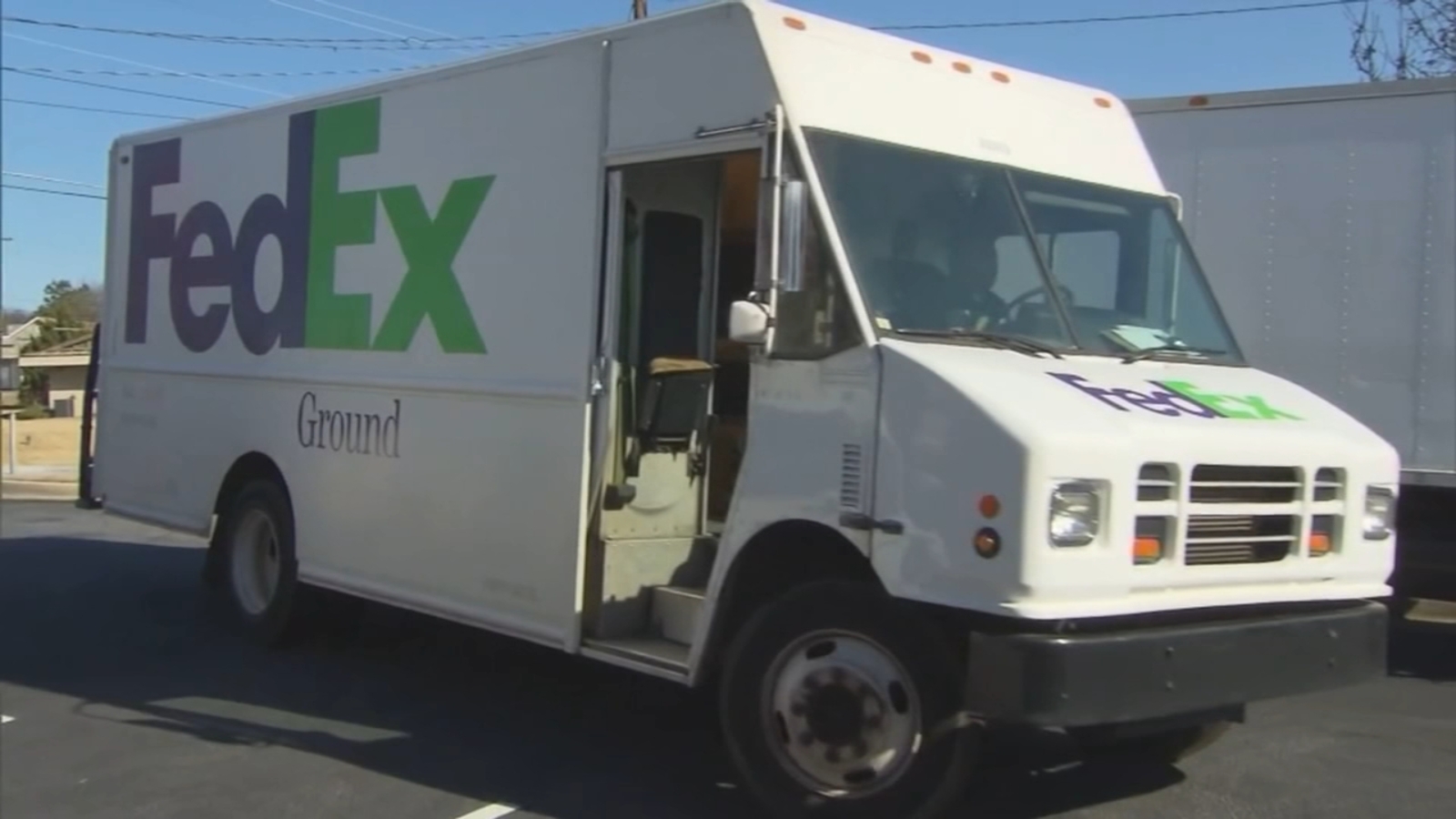
In the wake of the ongoing war between the U.S., Israel, and Iran, rising fuel costs are prompting major delivery services to implement surcharges. Starting April 17, Amazon will apply a 3.5% fuel surcharge to its third-party sellers. This decision mirrors similar actions taken by UPS, FedEx, and the USPS, which will implement an 8% price hike on certain packages, including priority mail, beginning April 26. The closure of the Strait of Hormuz, a critical oil shipping route, has significantly contributed to escalating oil prices and subsequent gasoline costs, impacting consumers and businesses alike.
Key Points:
- Amazon is implementing a 3.5% fuel surcharge for third-party sellers, effective April 17.
- USPS will increase prices by 8% on certain packages, including priority mail, starting April 26.
- The war in Iran and the closure of the Strait of Hormuz are driving up oil and gasoline prices.
- Experts predict that food delivery apps may also introduce fuel-related surcharges.
- Consumers are likely to face higher costs for deliveries due to these surcharges.
Critical Analysis:
The historical context reveals a pattern of escalating tensions surrounding the war in Iran, specifically involving the Trump administration’s actions and rhetoric. Trump’s stated interest in Iranian oil, coupled with the ongoing military conflict, suggests a potential motive for controlling or influencing the region’s oil resources. This context illuminates why Amazon and other delivery services are being forced to implement surcharges. The war has directly impacted the supply chain and logistics costs, leaving companies with no option but to pass these expenses onto consumers.
Key Takeaways:
- Geopolitical conflicts, such as the war in Iran, have a direct and immediate impact on global supply chains and consumer prices.
- Major delivery services are responding to rising fuel costs by implementing surcharges, signaling a broader economic impact.
- Consumers should anticipate higher prices for goods and services that rely on transportation and logistics.
- The closure of critical shipping routes like the Strait of Hormuz can significantly disrupt global trade and energy markets.
- The combination of rising fuel costs and mortgage rates is creating affordability challenges for consumers.
Impact Analysis:
The implementation of fuel surcharges by major delivery services represents a significant shift in the economic landscape. This event series has long-term implications for:
- Consumer Spending: Higher delivery costs may discourage online shopping and impact consumer spending habits.
- Business Operations: Small businesses and third-party sellers on platforms like Amazon will face increased operational costs, potentially affecting their competitiveness.
- Inflation: Fuel surcharges contribute to overall inflationary pressures, further straining household budgets.
- Supply Chain Resilience: The war in Iran highlights the vulnerability of global supply chains to geopolitical instability, prompting businesses to re-evaluate their sourcing and logistics strategies.
- Energy Policy: The rising oil prices may accelerate the transition to alternative energy sources and more sustainable transportation solutions.
 First Piper