
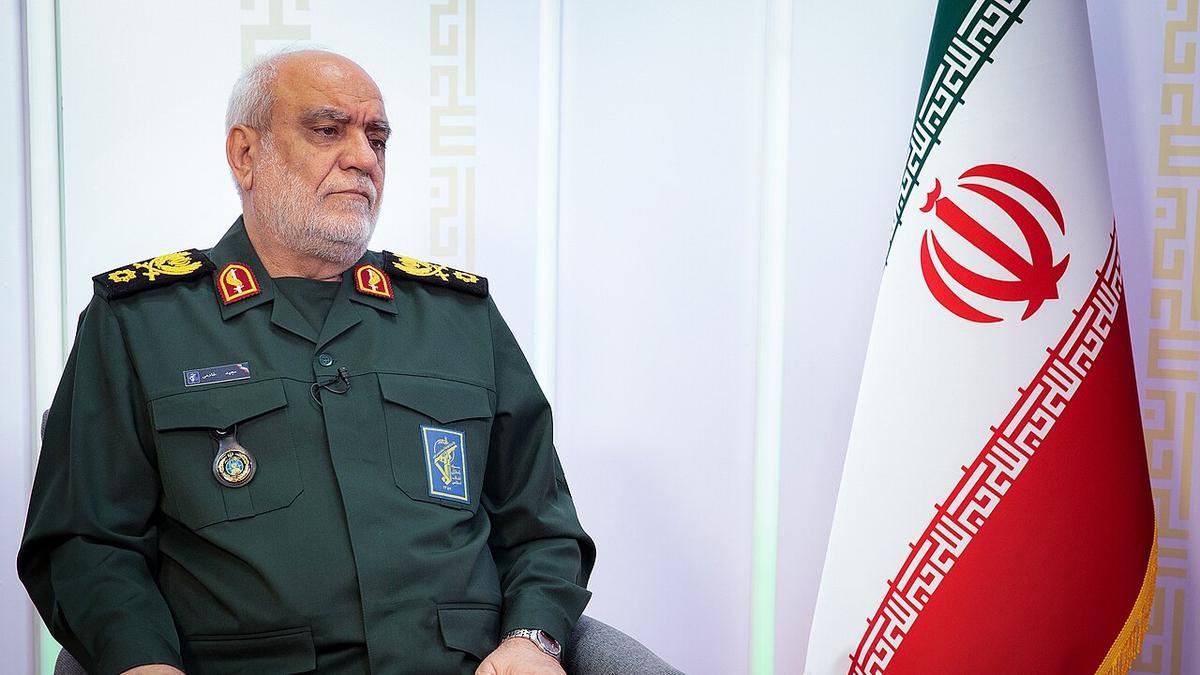
Mon Apr 06 09:00:05 UTC 2026: ### Headline: IRGC Intelligence Chief Killed in Alleged U.S.-Israeli Strike Amid Escalating Tensions
The Story:
Majid Khademi, the head of the intelligence organization of Iran’s elite Islamic Revolutionary Guard Corps (IRGC), was reportedly killed on Monday, April 6, 2026, in what Iranian media described as a “terrorist attack by the American-Zionist (Israeli) enemy.” Khademi had assumed the role in 2025 after his predecessor was killed in a similar Israeli air strike. He was a veteran of Iranian intelligence and counter-espionage, having previously headed the Guards’ Intelligence Protection Organisation and held senior positions within the defense ministry.
The IRGC intelligence arm is a powerful entity within Iran, responsible for domestic surveillance and countering foreign influence, often operating alongside the civilian intelligence ministry. Khademi’s death occurs against a backdrop of heightened tensions between Iran, the U.S., and Israel.
Key Points:
- Majid Khademi, head of the IRGC intelligence organization, was killed on April 6, 2026.
- Iran attributes the attack to the “American-Zionist (Israeli) enemy.”
- Khademi took over the position in 2025 after his predecessor was killed in an Israeli air strike.
- He previously headed the Guards’ Intelligence Protection Organisation.
- The IRGC intelligence arm plays a significant role in Iranian domestic surveillance and counter-intelligence.
Critical Analysis:
The assassination of Majid Khademi, following the earlier death of his predecessor, strongly suggests a targeted campaign by the U.S. and Israel to disrupt and degrade Iran’s intelligence capabilities. The timing, coinciding with reports of escalating conflict and failed peace talks (“Iran-Israel war LIVE: Trump threatens to destroy all Iran bridges, power plants in ‘four hours’ if there is no deal”), indicates a deliberate strategy to weaken Iran’s position both militarily and politically during a period of intense confrontation. The repeated targeting of high-ranking intelligence officials underscores the importance placed on intelligence operations in the ongoing conflict.
Key Takeaways:
- The assassination demonstrates a significant escalation in the ongoing conflict between Iran, the U.S., and Israel.
- Targeting key intelligence figures is a strategic move to cripple Iran’s operational capabilities.
- The timing of the assassination, amid failed peace talks, suggests a deliberate attempt to weaken Iran’s negotiating position.
- The event is likely to provoke a strong response from Iran, potentially leading to further escalation.
- The repeated nature of these targeted killings suggests a long-term strategy to destabilize the Iranian regime.
Impact Analysis:
The killing of Khademi is likely to have significant long-term implications. It will almost certainly lead to increased Iranian efforts to retaliate, both directly and through proxy groups. Domestically, it could strengthen hardliners within the Iranian government, making de-escalation even more difficult. The attack also raises questions about the future of Iranian intelligence operations and the potential for further targeted assassinations. The event may lead to increased cyber warfare, covert operations, and regional instability. The overall impact is a more volatile and dangerous security environment in the Middle East.
 First Piper