
Mon Apr 06 06:42:42 UTC 2026: # WTO Faces Crisis as Ministerial Conference Fails, E-Commerce Moratorium Lapses
The Story:
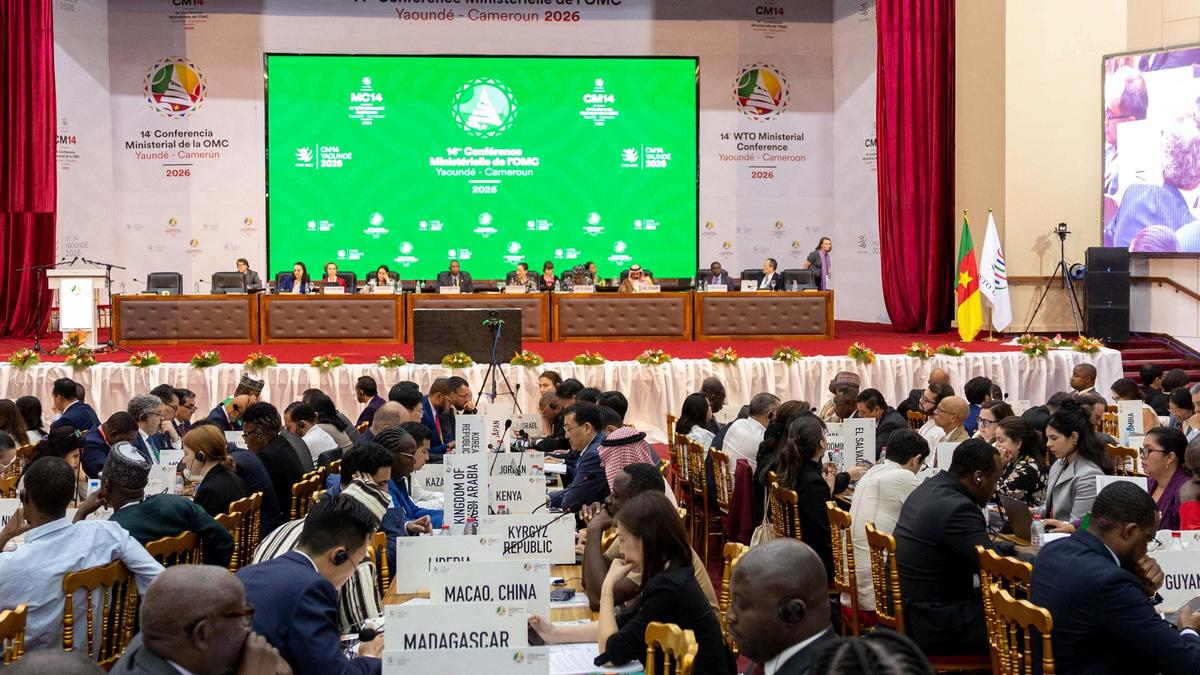
The World Trade Organization (WTO) is facing significant challenges as its fourteenth Ministerial Conference (MC14), held in Yaoundé, Cameroon (March 2026), failed to produce a consensus on key issues. Most notably, the long-standing moratorium on customs duties for electronic commerce transactions lapsed after members failed to reach an agreement on its extension. This development, coupled with the failure to incorporate the Investment Facilitation for Development (IFD) agreement, raises concerns about the future of trade multilateralism and the WTO’s ability to adapt to 21st-century challenges.
Key Points:
- The WTO’s MC14 failed to reach a consensus on extending the moratorium on customs duties for electronic commerce transactions, which has been in place since 1998, leading to its lapse on March 31, 2026.
- A separate e-commerce agreement (ECA) was signed by 66 WTO members, prohibiting customs duties on digital trade, creating two separate legal frameworks: one within the WTO allowing tariffs and one outside prohibiting them for signatories.
- The moratorium barring non-violation complaints under the WTO’s TRIPS Agreement, in force since 1995, also faced challenges.
- India opposed the incorporation of the plurilateral Investment Facilitation for Development (IFD) agreement into Annex 4 of the WTO Agreement.
- The MC14 failed to provide a clear road map for WTO reforms, including reviving the appellate function of the WTO’s dispute settlement system.
Critical Analysis:
The failure of MC14 is happening as the US-Iran war is ongoing. This could mean that other countries will feel more pressure to agree with the US during multilateral discussions.
Key Takeaways:
- The lapse of the e-commerce moratorium could lead to increased costs for consumers and businesses involved in digital trade.
- The emergence of separate trade agreements outside the WTO framework signals a potential fragmentation of the global trading system.
- India’s opposition to the IFD agreement highlights the challenges in incorporating plurilateral agreements into the WTO.
- The WTO is struggling to adapt to new economic realities and address critical issues such as dispute resolution.
- The failure of multilateralism may lead to an increase in unilateral trade measures by countries like the United States, reminiscent of the 1970s.
Impact Analysis:
The failure of the WTO’s MC14 has potentially far-reaching implications for the future of international trade. The lapse of the e-commerce moratorium could trigger a wave of new tariffs on digital goods and services, hindering the growth of digital trade and potentially impacting consumers and businesses worldwide. The rise of separate trade agreements outside the WTO framework could undermine the organization’s authority and lead to a more fragmented global trading system. The inability to resolve critical issues such as dispute resolution and the incorporation of plurilateral agreements raises questions about the WTO’s long-term relevance and effectiveness. This could accelerate the trend of countries seeking alternative trade arrangements, further weakening the multilateral trading system. The rise in American unilateralism is likely to cause even more distrust in the WTO.
 First Piper