
Tue Apr 07 07:48:19 UTC 2026: # Hyderabad’s “Eat Right Mela” Exposes Food Adulteration Tactics, Empowers Consumers
The Story:
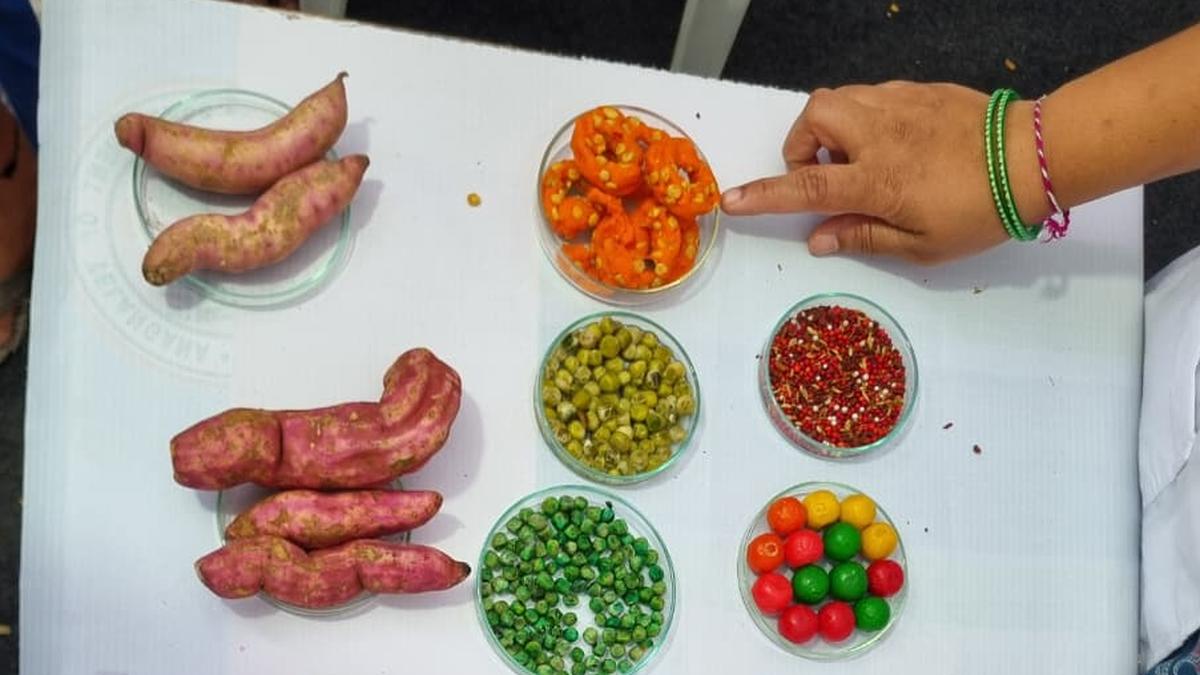
The Telangana Food Safety Department hosted an “Eat Right Mela” at the Nature Cure Hospital in Hyderabad on Monday, April 6, 2026, to educate the public on common food adulteration methods. The event featured interactive stalls demonstrating how to detect adulteration in food items like artificially colored sweets and adulterated milk products. Officials emphasized the importance of visual inspection as an initial defense against unsafe food, highlighting that while lab tests are the gold standard, consumer awareness is vital.
Key Points:
- The “Eat Right Mela” was held at Nature Cure Hospital in Hyderabad on April 6, 2026.
- The Telangana Food Safety Department set up interactive stalls demonstrating food adulteration techniques.
- Stalls focused on artificial colors in food and adulteration of milk and dairy products.
- Officials explained how to detect adulteration through visual inspection, such as unnatural colors or changes in texture.
- Consumers were shown how to test for starch in milk using iodine solution and identify impurities in ghee and butter.
- The Telangana State Food Testing Laboratory in Nacharam is the only food testing facility in the state.
- The article mentions recent busts of adulterated food operations in Hyderabad, including an illegal samosa unit and adulterated ginger-garlic paste production.
- 64 people were arrested and 15 tonnes of adulterated food products seized in Hyderabad within one month.
Key Takeaways:
- Food adulteration remains a significant problem in Hyderabad, prompting the need for public awareness campaigns.
- Simple visual inspection techniques can empower consumers to make safer food choices.
- The Telangana Food Safety Department is actively working to combat food adulteration through education and enforcement.
- The high demand for milk and dairy products makes them particularly vulnerable to adulteration.
Impact Analysis:
The “Eat Right Mela” and related crackdowns on adulterated food operations signal a growing concern over food safety in Hyderabad. This initiative likely aims to reduce the consumption of unsafe food, thereby improving public health. The emphasis on consumer education suggests a long-term strategy to create a more informed and vigilant public, potentially leading to increased demand for safer food products and greater accountability from food producers and sellers. The combination of public awareness campaigns and law enforcement operations may lead to a significant reduction in food adulteration over time.
 First Piper