
Tue Apr 07 05:50:46 UTC 2026: ### Supreme Court Begins Final Hearing on Religious Discrimination, Sabarimala Case at Center
The Story:
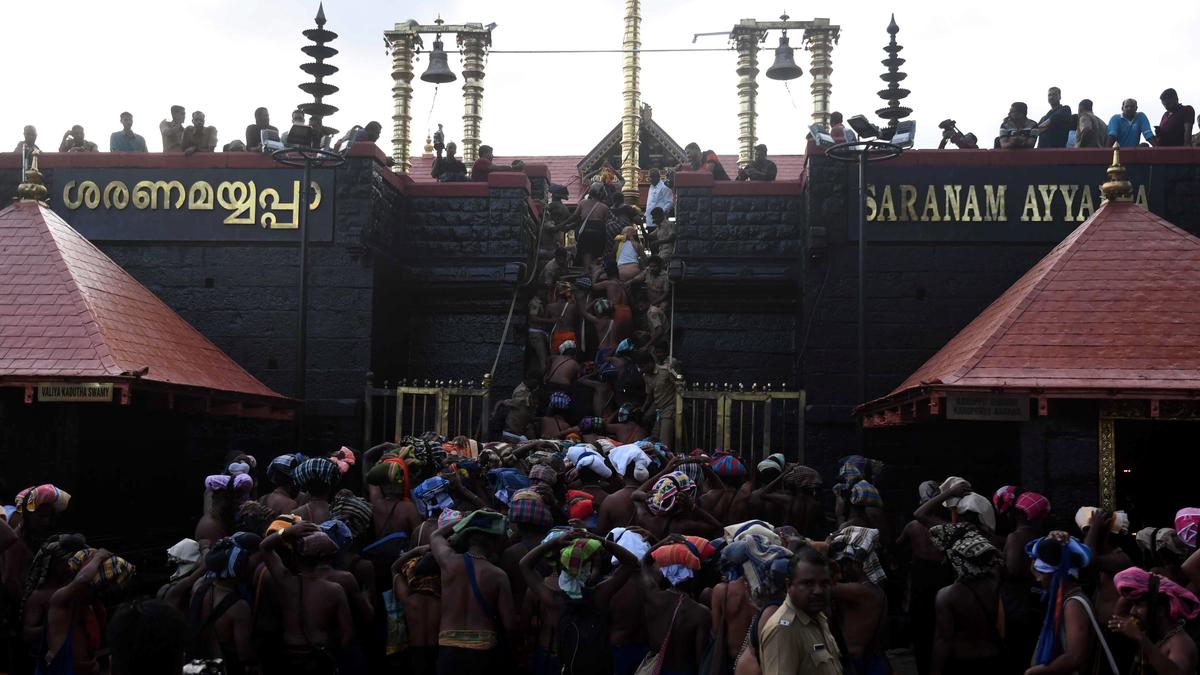
A nine-judge bench of the Supreme Court has commenced final hearings on petitions concerning religious discrimination against women, with the Sabarimala Temple case in Kerala serving as a central point of contention. The hearings, which began on April 7, 2026, will address the scope of religious freedom and the extent of judicial intervention in religious matters. The Union government has argued against a rigid definition of “religious denomination” or “essential religious practices,” citing the diverse nature of Hinduism. This follows a September 2018 verdict that lifted the ban on women of menstruating age entering the Sabarimala temple, and a subsequent 2019 referral to a larger bench.
Key Points:
- The Supreme Court is hearing petitions related to discrimination against women at religious places, focusing on the Sabarimala Temple issue.
- A nine-judge bench, headed by Chief Justice Surya Kant, is presiding over the hearings.
- The Union government opposes a strict definition of “religious denomination” or “essential religious practices.”
- The hearings are scheduled from April 7 to April 22, 2026, with specific dates allocated for petitioners, opponents, rejoinders, and concluding submissions.
- The case includes writ pleas and review petitions based on the 2018 verdict allowing women of menstruating age to enter Sabarimala.
- The 2019 referral by a five-judge bench broadened the scope to include similar issues across different faiths, such as Muslim women’s entry to mosques and female genital mutilation in the Dawoodi Bohra community.
Critical Analysis:
The Supreme Court’s decision to hear the Sabarimala case alongside similar issues from other faiths indicates a broader effort to establish legal parameters for religious freedom and the role of the judiciary in interpreting religious practices. The Union government’s stance against a strict definition suggests a desire to protect the diversity within Hinduism and potentially limit judicial overreach into religious affairs.
Key Takeaways:
- The Supreme Court is addressing fundamental questions about religious freedom and gender equality in India.
- The Sabarimala case has become a catalyst for a wider examination of religious practices across various faiths.
- The Union government’s position highlights the complexities of defining religious identity and practices in a diverse society.
- The outcome of these hearings could significantly impact the relationship between the state, religion, and individual rights in India.
- The Supreme Court is under pressure to balance constitutional principles with the protection of religious freedoms.
Impact Analysis:
The Supreme Court’s ruling will likely have far-reaching consequences for religious practices and women’s rights in India. A decision that upholds the 2018 verdict could empower women and challenge traditional religious norms. Conversely, a ruling that restricts judicial intervention in religious matters could reinforce existing power structures and limit the scope of constitutional challenges to religious practices. The impact will extend beyond the specific cases being heard, potentially influencing future legal challenges to religious customs and traditions across the country.
 First Piper