
Mon Apr 06 11:08:00 UTC 2026: ### US-Iran Conflict Paralyzes Strait of Hormuz, Triggering Global Energy Crisis
The Story:
The ongoing US-Israel war with Iran has created a global crisis as Iran effectively halts vessel movements through the Strait of Hormuz, a critical chokepoint for a fifth of global oil and gas flows. While President Trump threatens intensified bombing if the Strait isn’t opened, he also pressures European and other nations dependent on the Strait for energy to militarily intervene. Despite the US posturing, European nations are opting for diplomatic and economic pressure on Iran to resolve the crisis, aiming to avoid escalating the conflict further.
Key Points:
- Iran’s closure of the Strait of Hormuz is significantly disrupting global energy supplies, causing prices to soar.
- President Trump is urging nations dependent on the Strait for energy, such as the UK, to “take” the waterway by force, while criticizing their lack of involvement.
- The UK and Europe are pursuing diplomatic solutions, including coordinated international pressure and potential sanctions on Iran.
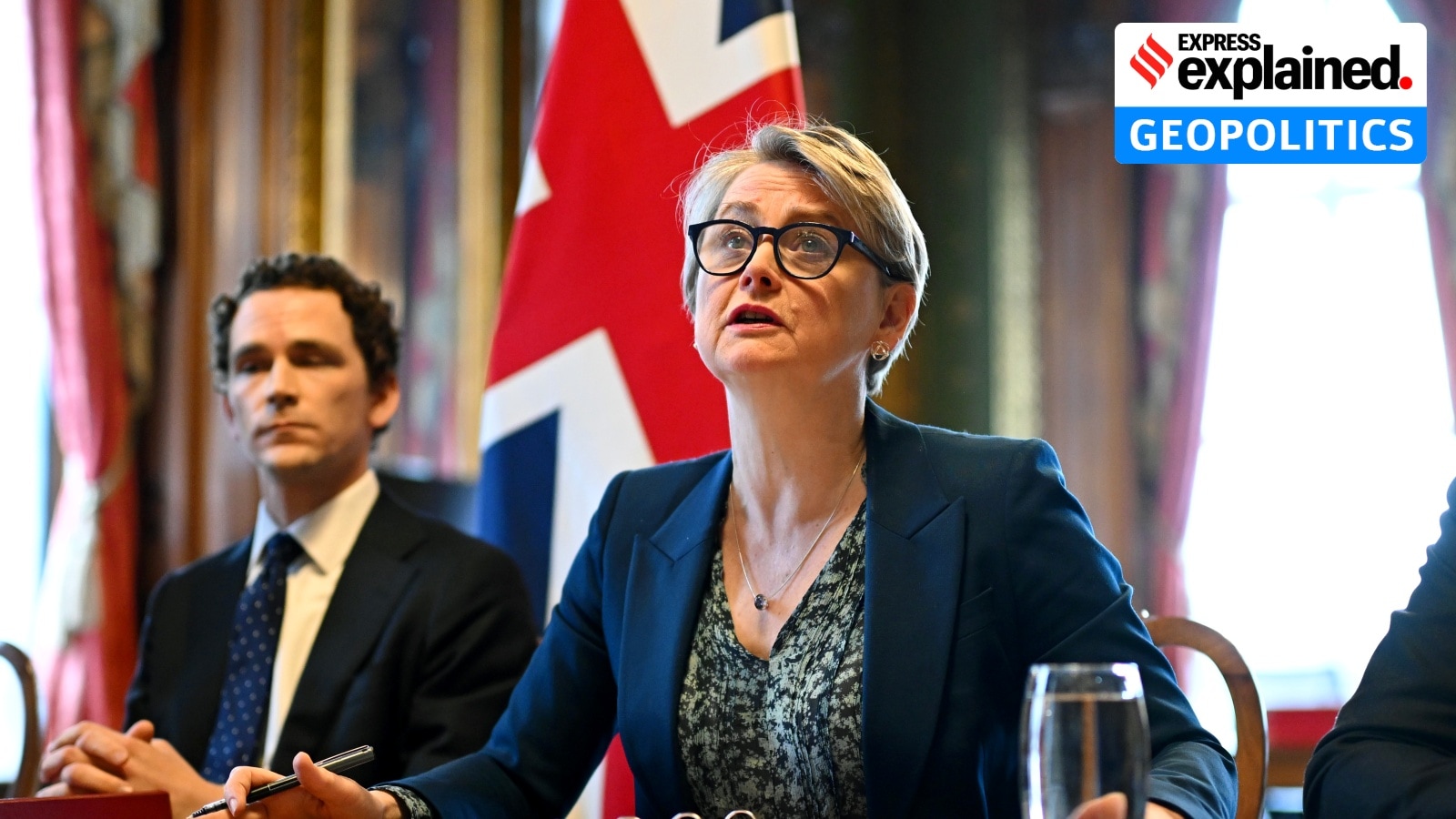
- The UK chaired a virtual meeting with over 40 countries to discuss coordinated action, including diplomatic pressure and economic measures.
- Iran is reportedly regulating maritime traffic through the Strait, charging tolls for passage, and using it as a bargaining chip for concessions like sanctions relief and security guarantees.
- Europe is particularly vulnerable to rising energy prices, even if it doesn’t directly import a large percentage of its crude oil or LNG through the Strait, due to the interconnected nature of the global energy market.
- Europe’s diesel and jet fuel imports are notably dependent on the Strait of Hormuz.
Critical Analysis:
The historical context indicates a rejection of a US ceasefire proposal by Iran (April 7, 2026), which directly precedes the current stalemate. This rejection likely hardened the positions on both sides, contributing to the current impasse. The US’s aggressive rhetoric, combined with Iran’s firm stance, has pushed other nations towards diplomatic solutions, highlighting a divergence in approaches to the conflict.
Key Takeaways:
- The US-Iran conflict has severe global implications, primarily through energy market disruptions.
- There’s a clear divide between the US’s hawkish approach and Europe’s preference for diplomacy.
- Iran is leveraging its control over the Strait of Hormuz to extract concessions, making a swift resolution unlikely.
- The situation highlights the interconnectedness of global energy markets and the vulnerability of nations to disruptions in critical chokepoints.
- The success of diplomatic efforts hinges on cooperation from both the US and Israel, in addition to Iran.
Impact Analysis:
The ongoing crisis in the Strait of Hormuz has significant long-term implications:
- Geopolitical Realignment: The US’s isolationist stance, as suggested by President Trump‘s statements, could lead to a realignment of global alliances, with nations seeking alternative security arrangements.
- Energy Security: The crisis underscores the need for nations to diversify their energy sources and reduce dependence on vulnerable chokepoints. This could accelerate the transition to renewable energy sources and the development of alternative supply routes.
- Economic Instability: Prolonged energy price volatility could trigger inflationary pressures and recessionary risks, particularly in Europe and other import-dependent regions.
- Increased Regional Tensions: The conflict could further destabilize the Middle East, potentially leading to proxy wars and increased military presence from external powers.
- Shift in Global Power Dynamics: The crisis could accelerate the shift in global power dynamics, with Asian economies like China and India, which are heavily reliant on the Strait for energy, playing an increasingly prominent role in international affairs.
 First Piper