
Mon Apr 06 20:36:34 UTC 2026: # Bangladesh Seeks “People-to-People” Ties with India, Distancing from Hasina Era
The Story:
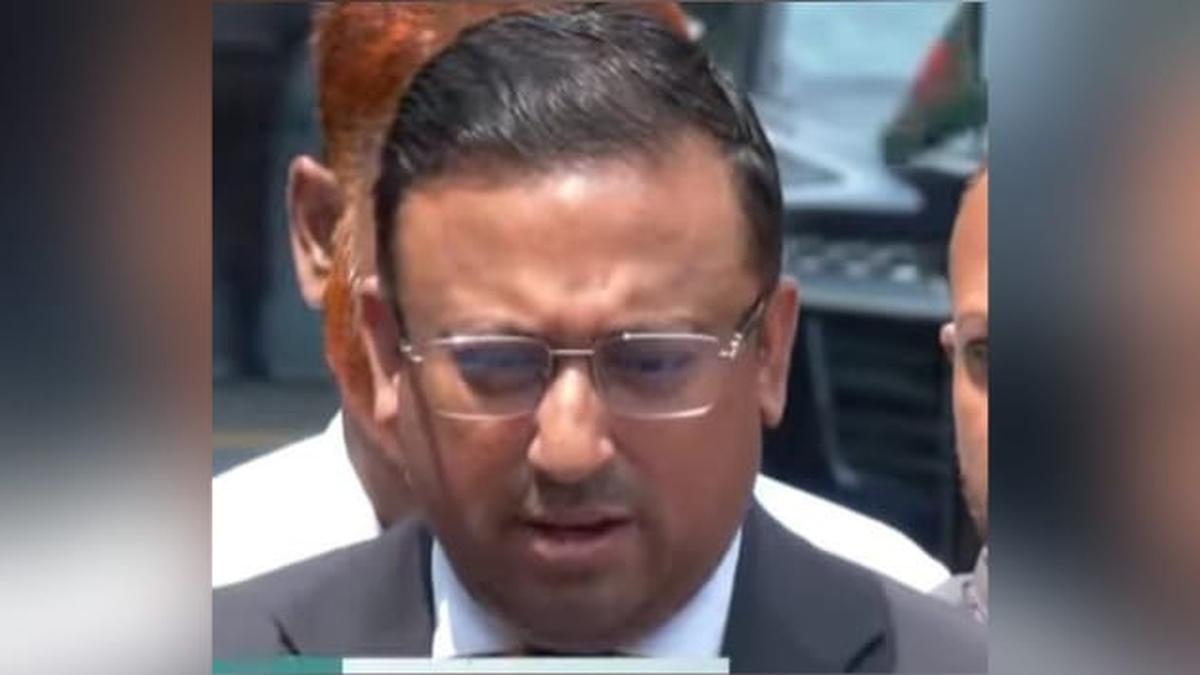
Bangladesh, under Prime Minister Tarique Rahman, is signaling a shift in its relationship with India, emphasizing “people-to-people” ties and a departure from the policies of the previous government led by Sheikh Hasina. This announcement came after a meeting between Indian High Commissioner Pranay Verma and Prime Minister Rahman on April 6, 2026. Foreign Affairs Adviser Humayun Kobir stated that the new relationship aims to avoid the “mistakes of the past” and will not be limited to individuals or political parties. The two countries are also discussing energy cooperation amidst the ongoing U.S.-Israel war against Iran.
Key Points:
- Bangladesh aims to build stronger “people-to-people” ties with India, moving away from a focus on individual leaders.
- Foreign Affairs Adviser Humayun Kobir explicitly stated that the “Hasina-India relation will no longer be possible.”
- Discussions included energy cooperation through the India-Bangladesh Friendship Pipeline, with India already sending 5,000 metric tonnes of high-speed diesel on March 10, 2026.
- Foreign Minister Khalilur Rahman is scheduled to visit India starting April 7, 2026, marking the first Foreign Minister-level visit since the fall of Sheikh Hasina’s government on August 5, 2024.
- Bangladesh is expected to raise issues such as the renewal of the Ganga water treaty, removal of restrictive measures on Bangladeshi exports using Indian sea and airports, and reducing border firing against Bangladeshi civilians.
Critical Analysis:
The change in tone and policy direction from Bangladesh is noteworthy. The explicit distancing from the Sheikh Hasina era suggests a significant ideological and potentially geopolitical shift. The emphasis on “people-to-people” ties may be a strategic move to broaden the base of support for the relationship within Bangladesh, potentially mitigating any backlash from those still aligned with the previous government. The backdrop of the U.S.-Israel war against Iran adds a layer of complexity, as Bangladesh seeks to address its energy crunch while navigating the broader geopolitical landscape.
Key Takeaways:
- Bangladesh is actively reshaping its bilateral relationship with India under the new leadership.
- Energy security is a key driver of the current engagement between the two countries, especially in the context of the U.S.-Israel war against Iran.
- Outstanding issues such as water sharing, trade restrictions, and border security remain critical points of contention.
- The visit of Foreign Minister Khalilur Rahman is crucial for setting the tone and direction of the future relationship.
Impact Analysis:
The long-term impact of this shift in Bangladesh-India relations could be substantial. A successful recalibration could lead to increased economic cooperation, improved border management, and strengthened regional stability. However, failure to address outstanding issues could exacerbate tensions and potentially destabilize the region. The internal political dynamics within Bangladesh, particularly the legacy of Sheikh Hasina, will also play a crucial role in shaping the future trajectory of this relationship. The evolving geopolitical landscape, including the U.S.-Israel war against Iran, will further influence the dynamics between the two nations.
 First Piper