
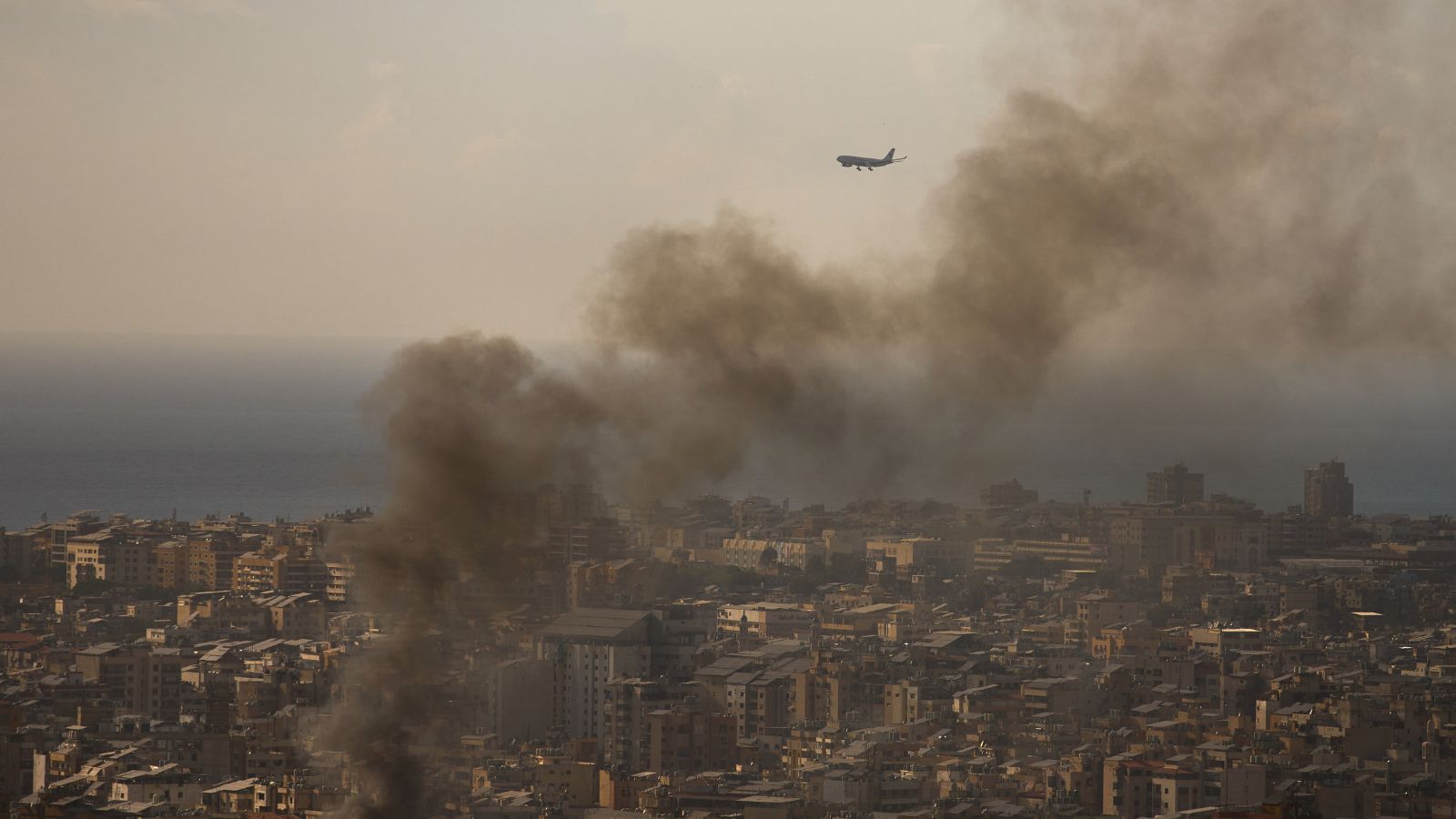
Mon Apr 06 12:32:57 UTC 2026: Headline: Israeli Strikes Eliminate Key Iranian Revolutionary Guard Leaders Amid Escalating Conflict
The Story:
The US-Israel-Iran war continues to intensify as Israel claims to have killed Asghar Bakeri, a commander of the Iranian Revolutionary Guard’s Quds Force. This follows an earlier Israeli airstrike in Tehran that killed Majid Khademi, head of intelligence for the IRGC. Lt. Col. Nadav Shoshani, a military spokesperson, stated that Bakeri was responsible for planning attacks against Israeli and American targets. These events mark a significant escalation in the conflict, which began on February 28, 2026, adding to the growing list of high-ranking Iranian officials killed since the start of the war.
Key Points:
* Israel claims to have killed Asghar Bakeri, a commander of the Quds Force.
* The Quds Force is responsible for unconventional warfare and supporting extremist groups.
* Earlier the same day, Majid Khademi, head of intelligence for the IRGC, was killed in an Israeli airstrike.
* Both Bakeri and Khademi join a long list of Iranian leaders killed since the beginning of the war on February 28, 2026, including former Supreme leader Ayatollah Ali Khamenei, Esmail Khatib, ex-Iran intelligence minister.
* Tehran retaliated with missile fire on Israel and its Gulf Arab neighbors following the attacks.
Critical Analysis:
The elimination of key figures within the IRGC, specifically those involved in intelligence and unconventional warfare, suggests a targeted strategy by Israel and the U.S. to cripple Iran’s ability to conduct operations outside of its borders. The timing of these strikes, occurring in rapid succession, indicates a coordinated effort to weaken the IRGC’s capabilities and potentially destabilize the Iranian regime.
Key Takeaways:
* The conflict between the US-Israel alliance and Iran is escalating with targeted assassinations of key Iranian military figures.
* The Quds Force remains a primary target due to its role in supporting extremist groups and conducting unconventional warfare.
* Iran’s retaliatory missile strikes indicate a willingness to escalate the conflict further.
* The loss of multiple high-ranking officials could significantly impact the IRGC’s operational capabilities.
* The conflict is creating a volatile environment in the Middle East, potentially drawing in other regional actors.
Impact Analysis:
The elimination of key IRGC leaders will likely have significant long-term implications. Firstly, it could disrupt the IRGC’s ability to coordinate and execute operations in the region, potentially weakening its influence in countries like Lebanon, Syria, and Iraq. Secondly, the targeted assassinations could lead to increased tensions and a heightened risk of further escalation, including direct military confrontations. Thirdly, this could spur Iran to develop more aggressive strategies. Finally, the conflict could further destabilize the region.
 First Piper