
Mon Apr 06 12:36:30 UTC 2026: ### Israel Strikes Key Iranian Petrochemical Plant, Escalating Regional Tensions
The Story:
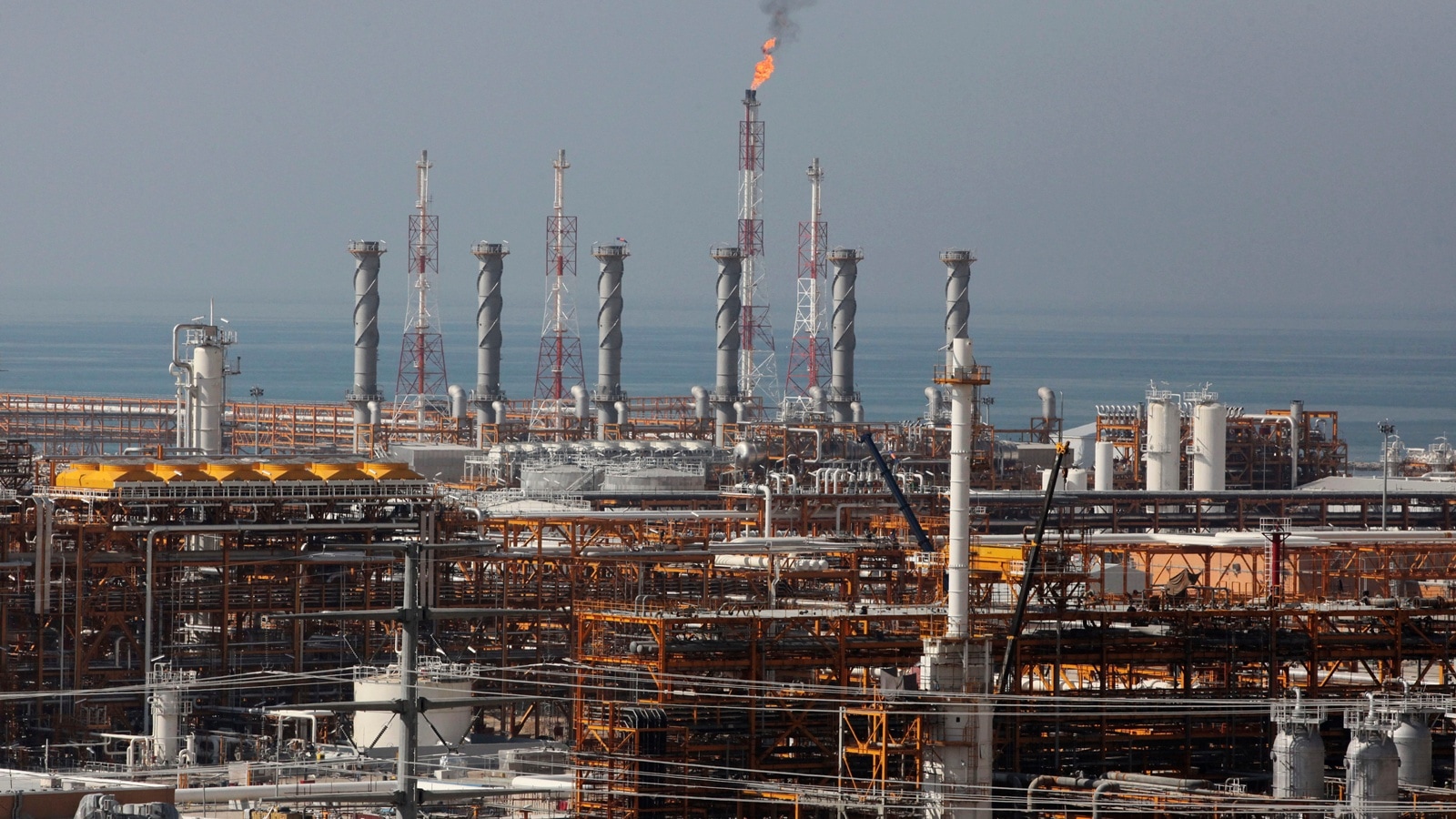
Israeli forces attacked Iran’s key petrochemical plant in the South Pars natural gas field on Monday, as confirmed by Israeli Defence Minister Israel Katz. The strike, described as a “powerful strike” targeting approximately half of Iran’s petrochemical production, follows a previous attack in March. Lt. Col. Nadav Shoshani, Israel’s military spokesperson, stated that Iran would have “no immunity” as talks progress. The attack has further escalated tensions in the region, already heightened by previous retaliatory strikes and disruptions to key shipping routes.
Key Points:
- Israel attacked the South Pars natural gas field, a major petrochemical plant shared with Qatar.
- Israeli Defence Minister Israel Katz confirmed the attack and stated that it targeted approximately half of Iran’s petrochemical production.
- The targeted facilities are reportedly responsible for about 85% of Iran’s petrochemical exports.
- Israel had previously attacked South Pars in March.
- The attack follows earlier warnings from then US President Donald Trump regarding retaliation against Qatar’s energy infrastructure, if Iran continues its strikes against Qatar.
- Iran has responded to previous attacks by striking energy complexes in Qatar and other regional energy infrastructure.
- The attacks have led to Iran virtually blocking the Strait of Hormuz.
Critical Analysis:
The attack on the South Pars natural gas field represents a significant escalation in the ongoing conflict between Israel and Iran. The timing of the attack, amidst ongoing tensions and stalled peace talks, suggests a deliberate attempt by Israel to exert pressure on Iran and disrupt its economic capabilities. The reference to Donald Trump’s earlier warnings indicates that the US, at least in the past, has been involved in the conflict. The repeated attacks on energy infrastructure highlight the strategic importance of these assets in the broader geopolitical struggle.
Key Takeaways:
- The attack on South Pars significantly damages Iran’s petrochemical industry.
- The incident escalates the ongoing conflict between Israel and Iran.
- The stability of the Persian Gulf region is under severe threat due to the escalating conflict.
- The disruption of the Strait of Hormuz could have significant global economic consequences.
- Diplomatic efforts to de-escalate the conflict are crucial to prevent further escalation.
Impact Analysis:
The attack on Iran’s petrochemical plant has far-reaching implications. The immediate impact will be a significant disruption to Iran’s economy, particularly its petrochemical exports. Regionally, the attack fuels further instability and increases the risk of a wider conflict. The potential blockage of the Strait of Hormuz poses a serious threat to global energy supplies and trade. Long-term, the repeated targeting of critical infrastructure could lead to a protracted and destructive conflict, with devastating consequences for the region and beyond. The future geopolitical landscape will likely be defined by increased polarization and a heightened risk of military confrontation.
 First Piper