
Mon Apr 06 16:40:00 UTC 2026: ### Iran Rejects Ceasefire, Israel Strikes Iranian Petrochemical Sites Amid Escalating Tensions
The Story:
Amidst ongoing conflict, Iran has rejected a ceasefire proposal put forth by regional mediators, demanding a permanent end to the war and presenting ten conditions, including an end to regional conflicts, safe passage through the Strait of Hormuz, lifting of sanctions, and reconstruction. Simultaneously, Israel has intensified its attacks on Iranian infrastructure, targeting key petrochemical sites, claiming a severe economic blow to Iran. These developments occur against the backdrop of heightened rhetoric from US President Donald Trump, who has issued ultimatums and threatened military action, while also facing criticism over potential war crimes.
Key Points:
- Iran rejected a 45-day ceasefire proposal and insists on a definitive end to the conflict with ten conditions.
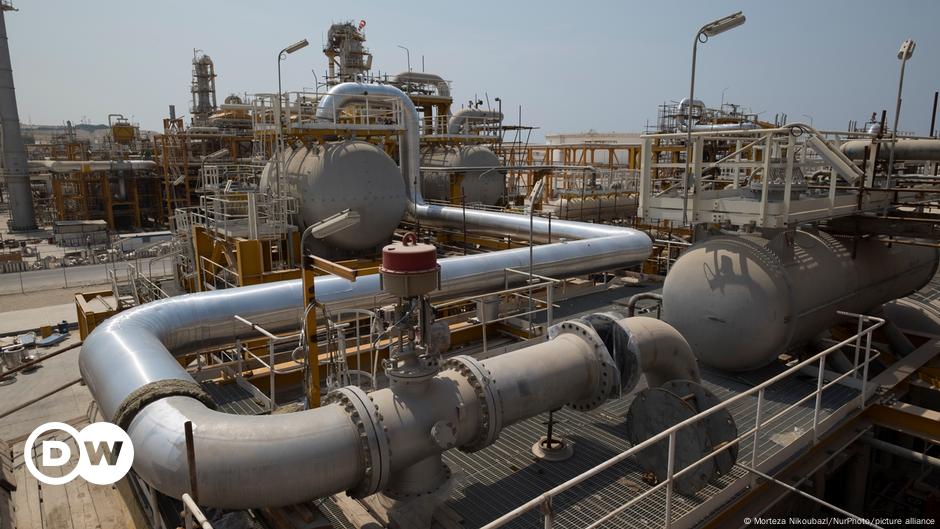
- Israeli Defense Minister Israel Katz claimed strikes on Iranian petrochemical sites dealt a “severe economic blow,” targeting facilities responsible for a significant portion of Iran’s petrochemical production.
- The IAEA confirmed US-Israeli airstrikes impacted areas close to Iran’s Bushehr nuclear power plant.
- President Trump reiterated his Tuesday deadline for Iran to reopen the Strait of Hormuz.
- Trump dismissed concerns that attacks on Iranian energy sites could constitute war crimes.
- Majid Khademi, intelligence chief of Iran’s Revolutionary Guards, was killed in an Israeli airstrike.
- Several Gulf countries reported injuries and damages due to Iranian attacks.
- South Korea is seeking alternative oil supplies due to disruptions in the Strait of Hormuz.
Critical Analysis:
The rejection of the ceasefire by Iran, coupled with Israel’s intensified attacks on Iranian infrastructure, demonstrates a hardening of positions and a potential escalation of the conflict. Trump’s aggressive rhetoric and disregard for international law further exacerbate the situation, making diplomatic resolution more challenging. The attacks near the Bushehr nuclear power plant, despite warnings from the IAEA, represent a dangerous escalation with potentially catastrophic consequences. The killing of Iranian security officials indicates a clear strategy by Israel to destabilize the Iranian command structure.
Key Takeaways:
- The conflict between Iran, Israel, and the US is intensifying, with a growing risk of broader regional conflict.
- Diplomatic efforts are failing to bridge the gap between the warring parties.
- Attacks on civilian and energy infrastructure raise serious concerns about war crimes and humanitarian consequences.
- The closure of the Strait of Hormuz is disrupting global energy supplies, impacting countries like South Korea.
- The killing of high-ranking Iranian officials showcases a deliberate strategy to disrupt Iranian operations.
Impact Analysis:
The current trajectory suggests a prolonged and potentially devastating conflict in the Middle East. The disruption of energy supplies could trigger a global economic crisis. The attacks on nuclear facilities raise the specter of environmental disaster and nuclear proliferation. The destabilization of Iran could lead to a power vacuum and further regional instability, impacting countries like Kuwait, Lebanon, and the UAE.
 First Piper