
Tue Apr 07 08:35:05 UTC 2026: ### Headline: Iranian President Claims 14 Million Ready to Sacrifice Themselves as US Deadline Looms
The Story:
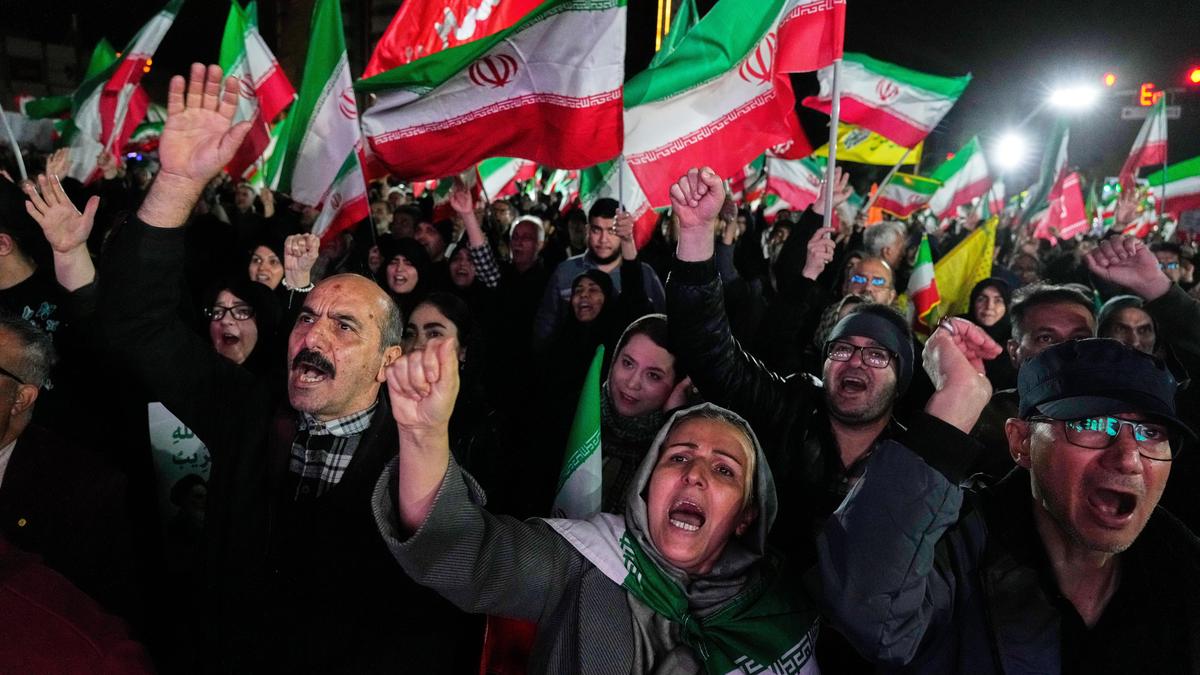
Facing a looming deadline from U.S. President Donald Trump to bomb Iranian power stations and bridges if Iran doesn’t ease its control over the Strait of Hormuz, Iranian President Masoud Pezeshkian stated on April 7, 2026, that 14 million Iranians have volunteered to sacrifice their lives in the war effort. This statement, made on X, comes as tensions escalate in the ongoing Iran-Israel conflict, with international efforts underway to de-escalate the situation. The number announced is double previous figures cited by state media regarding potential volunteers.
Key Points:
- Iranian President Masoud Pezeshkian claims 14 million Iranians are ready to sacrifice their lives.
- The statement was made on April 7, 2026, just before U.S. President Donald Trump’s deadline.
- The U.S. deadline involves bombing Iranian power stations and bridges if Iran doesn’t loosen its grip on the Strait of Hormuz.
- The figure of 14 million is double previous estimates of potential volunteers.
- Iran’s population is approximately 90 million.
Critical Analysis:
The timing of President Pezeshkian’s statement, just before the U.S. deadline, suggests a deliberate attempt to deter the threatened American bombing campaign. The inflated number of potential “martyrs” could be a propaganda tactic aimed at showcasing national unity and resolve, potentially influencing President Trump’s decision-making calculus. The call for human chains around power plants, mentioned in related news, further supports this strategy of using human shields as a deterrent.
Key Takeaways:
- The Iran-Israel conflict is escalating, involving the potential for direct U.S. military intervention.
- Information warfare and psychological operations are playing a significant role in the conflict, as evidenced by the inflated volunteer figures.
- The Strait of Hormuz remains a critical flashpoint.
- International mediation efforts are ongoing, as highlighted by Pakistan’s involvement.
Impact Analysis:
The US bombing of Iranian infrastructure will undoubtedly lead to significant regional destabilization. It will likely escalate the Iran-Israel conflict, drawing in other regional actors and potentially leading to a wider war. The economic impact of disrupting the Strait of Hormuz would be substantial, affecting global oil supplies and trade. Domestically, the bombing campaign could further erode support for the Iranian government or, conversely, galvanize nationalist sentiment.
 First Piper