
Tue Apr 07 07:00:10 UTC 2026: # Trump Threatens Iran with “Hell” as Deadline Looms, UN Warns Against War Crimes
The Story:
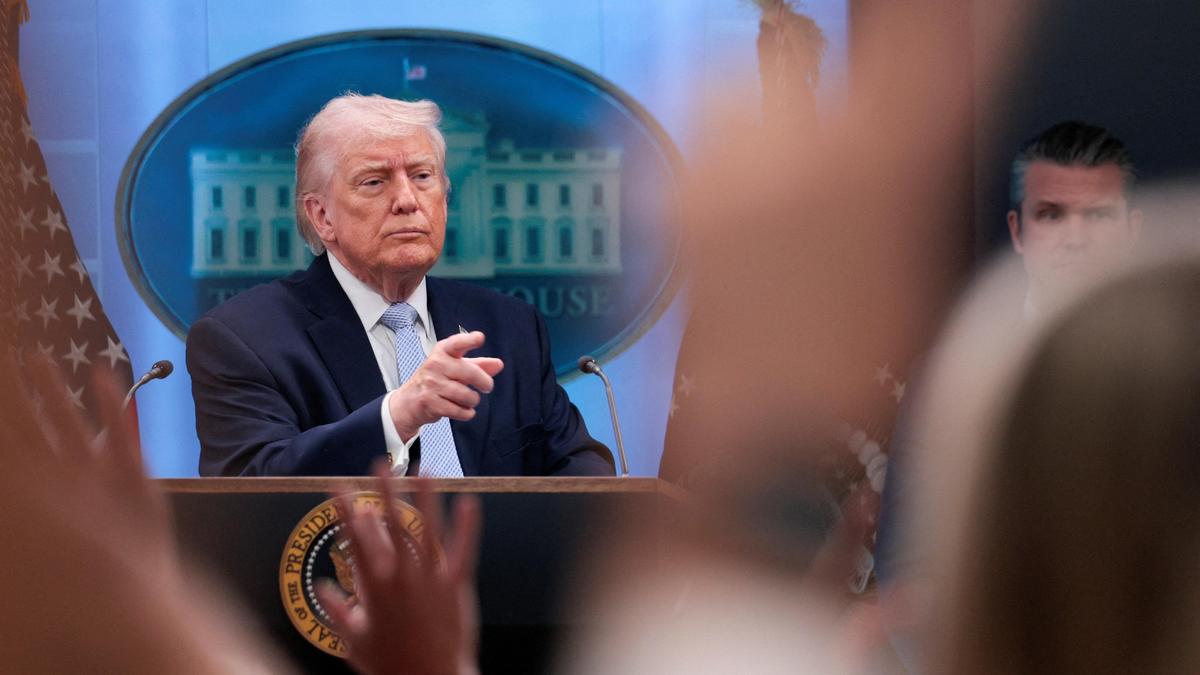
U.S. President Donald Trump has yet again delayed a deadline for Iran to agree to a deal regarding the Strait of Hormuz, pushing it to Tuesday, April 7, 2026. He warned of dire consequences if Iran fails to comply, stating “Hell will reign down on them.” This latest delay follows a series of shifting deadlines and mixed messages from Trump, oscillating between threats, postponements, and claims of successful negotiations. Iran has rejected the latest ceasefire proposal, further escalating tensions.
Key Points:
- President Trump extended the deadline for Iran to make a deal or open the Strait of Hormuz to April 7, 2026, at 8 p.m.
- Trump threatened Iran with obliteration of its power plants, bridges, and other infrastructure if it doesn’t comply.
- U.N. Secretary-General António Guterres, via his spokesperson, warned the U.S. that attacks on civilian infrastructure are banned under international law.
- Trump dismissed concerns about committing war crimes.
- Iran stated it no longer trusts the Trump administration after previous U.S. bombings during talks.
- Negotiations are reportedly still ongoing, according to a regional official.
- Israeli media is tracking the deadline with a countdown clock.
Critical Analysis:
The repeated delays and shifting justifications for military action suggest a strategy of coercive diplomacy, aiming to pressure Iran into concessions. However, the erratic nature of Trump’s pronouncements and the lack of clear, consistent messaging may undermine the credibility of these threats and erode trust between negotiating parties, as noted by Iranian officials.
Key Takeaways:
- The situation between the U.S. and Iran remains highly volatile, with the threat of military conflict looming.
- Trump’s unconventional diplomatic style, characterized by public threats and shifting deadlines, is complicating negotiations.
- International concerns are mounting over the potential for war crimes and violations of international law.
- The lack of trust between the U.S. and Iran is a significant obstacle to reaching a peaceful resolution.
- External actors, such as Israel, are closely monitoring the situation and potentially influencing the dynamics.
Impact Analysis:
The ongoing tension between the U.S. and Iran has the potential for significant long-term impacts:
- Regional Instability: A military conflict could destabilize the entire Middle East, potentially drawing in other regional powers and leading to a wider war.
- Economic Consequences: Disruptions to oil supplies through the Strait of Hormuz could trigger a global economic crisis.
- Nuclear Proliferation: Increased tensions could push Iran to accelerate its nuclear program, further destabilizing the region and increasing the risk of nuclear proliferation.
- Erosion of International Law: The disregard for international law, as highlighted by the U.N. Secretary-General’s concerns, could undermine the international legal framework and set a dangerous precedent.
- Shifting Geopolitical Alliances: The conflict could lead to a realignment of geopolitical alliances in the region and beyond.
 First Piper