
Sun Apr 05 16:26:16 UTC 2026: # Pope Leo XIV Pleads for Peace Amidst Escalating West Asia Conflict
The Story
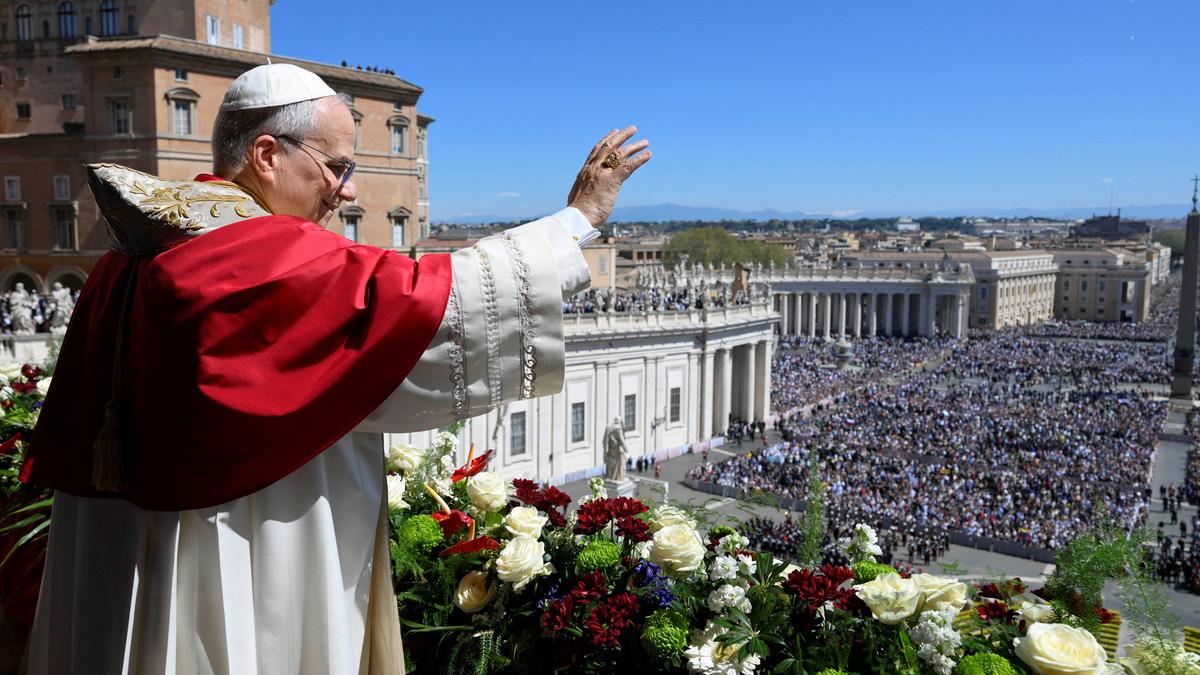
On April 5, 2026, Pope Leo XIV delivered his first Easter “Urbi et Orbi” message from the Vatican, imploring those responsible for the ongoing West Asia conflict to choose peace. The conflict, ignited by U.S.-Israeli strikes against Iran on February 28, 2026, has engulfed the region and destabilized the global economy. Speaking to a crowd in St. Peter’s Square, the Pope lamented the growing indifference to violence and the deaths of thousands. He also announced a prayer vigil at the Vatican scheduled for April 11, 2026.
Key Points
- Pope Leo XIV urged warring parties to “choose peace” in his Easter address.
- The West Asia conflict began with U.S.-Israeli strikes against Iran on February 28, 2026.
- The conflict has drawn in the entire region and convulsed the global economy.
- Majority Christian areas in southern Lebanon are caught in the crossfire between Israel and Hezbollah.
- Pope Leo XIV previously urged U.S. President Donald Trump to find an “off-ramp” from the conflict.
- A prayer vigil has been announced at the Vatican for April 11, 2026.
Key Takeaways
- The Pope’s plea highlights the severity and widespread impact of the ongoing West Asia conflict.
- The conflict’s roots are specifically identified as stemming from U.S.-Israeli strikes against Iran.
- The Pope’s direct appeal to President Trump suggests a perceived lack of progress in de-escalation efforts.
- The situation is impacting not only the immediate belligerents but also Christian minorities in the region.
- The global economy is under immense pressure because of the conflict.
Impact Analysis
The Pope’s intervention as a moral authority underscores the gravity of the situation and could potentially influence public opinion and diplomatic efforts. However, the impact is contingent upon the willingness of the involved parties, particularly the U.S., Israel, and Iran, to heed his call. The conflict’s continuation poses a significant threat to regional stability, global economic security, and the well-being of vulnerable populations, including Christian minorities. The long-term impact will depend on whether diplomatic solutions can be found or the conflict escalates further.
 First Piper