
Tue Apr 07 06:22:35 UTC 2026: ### Headline: UN Chief “Alarmed” by Trump’s Threat to Attack Iranian Infrastructure
The Story:
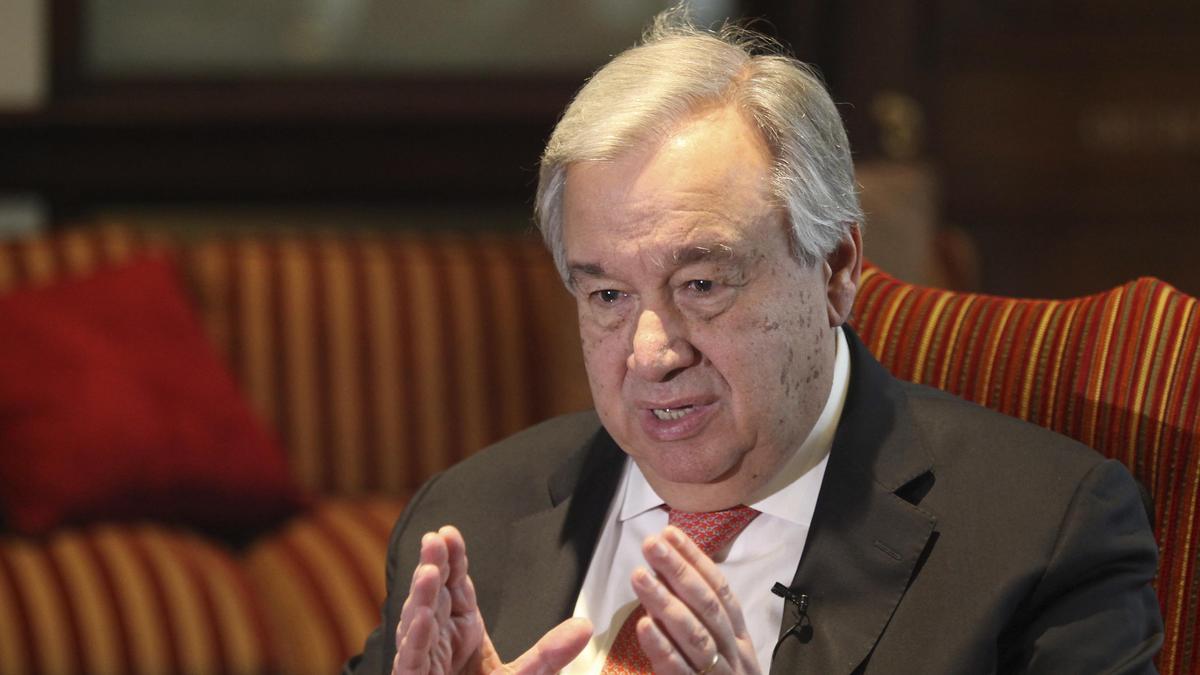
United Nations Secretary-General Antonio Guterres has expressed alarm over a social media post by former U.S. President Donald Trump, threatening attacks on Iranian infrastructure, including power plants and bridges, if Iran does not open the Strait of Hormuz by Tuesday, April 7, 2026. The Secretary-General, through his spokesperson Stephane Dujarric, emphasized that such actions would violate international law and reiterated the need for peaceful settlement of international disputes amid the ongoing West Asia conflict.
Key Points:
- April 6, 2026: UN spokesperson Stephane Dujarric stated Antonio Guterres‘ alarm over Donald Trump‘s social media threat.
- April 5, 2026: Donald Trump posted on Truth Social threatening attacks on Iranian infrastructure if the Strait of Hormuz was not opened by April 7, 2026.
- The UN Secretary-General reminded all parties of their obligations under international law, emphasizing that attacks on civilian infrastructure, including energy infrastructure, are prohibited.
- Guterres called for dialogue to end the West Asia conflict, which is now in its second month, urging the U.S., Israel, and Iran to cease hostilities and seek a peaceful resolution.
- The Strait of Hormuz is a strategically significant shipping route located between Iran and Oman.
Critical Analysis:
The related historical context doesn’t provide much strategic depth beyond the report so this section is omitted.
Key Takeaways:
- The UN is actively attempting to de-escalate tensions in the West Asia conflict.
- Threats targeting civilian infrastructure are considered violations of international law.
- The Strait of Hormuz remains a critical flashpoint in international relations due to its strategic importance for global energy markets.
- The UN Secretary-General is trying to balance calls for de-escalation to all parties involved in the conflict.
- Social media communications by political figures can have immediate and significant international repercussions.
Impact Analysis:
The situation presents a high risk of escalation in the West Asia conflict. The UN’s involvement indicates the international community recognizes the potential for a wider war with dramatic global impacts. Failure to de-escalate could lead to significant disruptions in global energy supplies, further humanitarian crises, and increased geopolitical instability. The long-term impact hinges on whether the involved parties choose dialogue and diplomacy over further destruction.
 First Piper