
Mon Apr 06 10:36:38 UTC 2026: # Iran Declares “Irreversible Strategic Changes” in Strait of Hormuz Amidst Tensions with U.S.
The Story:
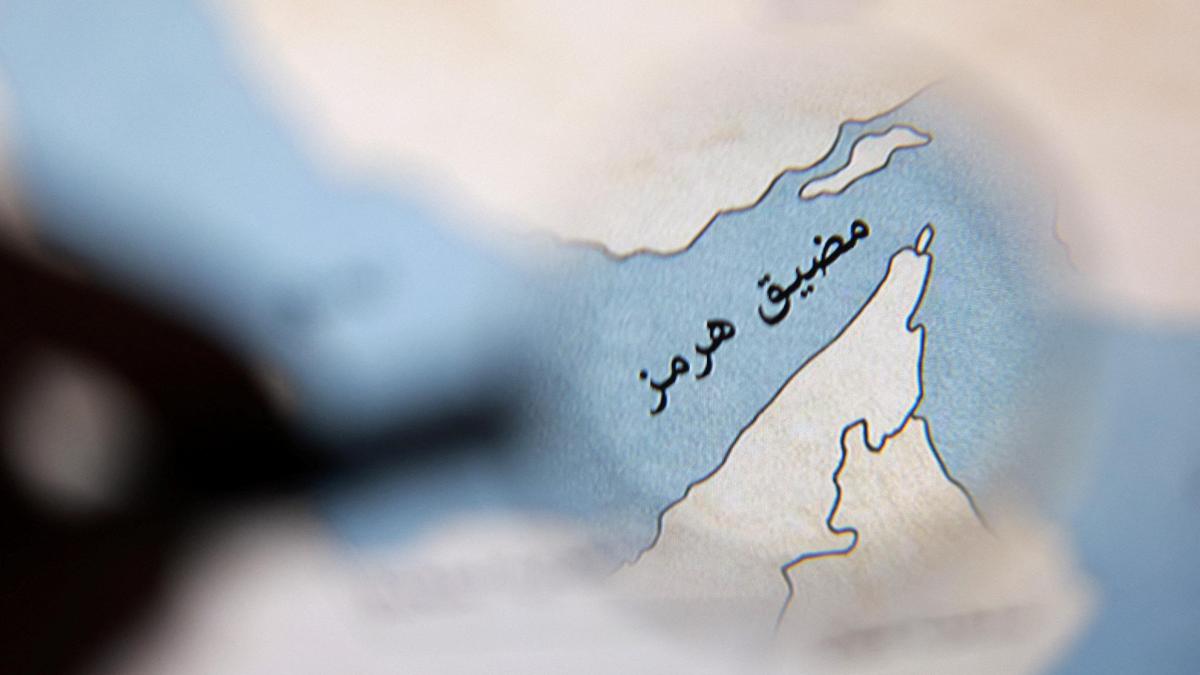
On April 6, 2026, Iran’s Islamic Revolutionary Guard Corps (IRGC) declared that the Strait of Hormuz has undergone “irreversible strategic changes” and will never return to its previous status, particularly for the U.S. and Israel. This announcement followed a series of escalating tensions, including an expletive-ridden social media post from U.S. President Donald Trump demanding Iran reopen the Strait, threatening severe consequences if they failed to comply. The IRGC stated it is implementing a new security architecture in the Persian Gulf, based on regional cooperation and enhanced Iranian naval capabilities.
Key Points:
- The IRGC stated the “era of foreign hegemony” over the Strait of Hormuz is over.
- President Trump issued an ultimatum to Iran via social media, demanding the Strait’s reopening and threatening severe consequences.
- On April 5, 2026, President Trump indicated possible negotiations with Iran, with a potential deal by April 6, 2026, but also threatened to “blow up everything” if no agreement was reached.
- The IRGC is establishing a new security architecture in the Persian Gulf, emphasizing regional security guaranteed by littoral states.
- Iran is enhancing its naval deployment, monitoring systems, and rapid-response capabilities in the Strait.
Critical Analysis:
The escalation is occurring within the context of the Iran-Israel war, with a ceasefire being discussed, and President Trump’s deadline for reopening the Strait of Hormuz looming. The mention of Libya’s oil disputes mirroring the Hormuz crisis suggests a broader concern about energy security and potential disruptions to global oil supplies. The IRGC’s statement can be interpreted as a defiant response to U.S. pressure, asserting Iranian control over a strategically vital waterway.
Key Takeaways:
- The Strait of Hormuz remains a critical flashpoint in international relations, particularly between Iran and the U.S.
- Iran is actively seeking to reshape the security landscape in the Persian Gulf, challenging U.S. influence.
- President Trump’s aggressive rhetoric and ultimatum-based diplomacy are contributing to heightened tensions.
- The situation has significant implications for global energy security and trade.
- The Iran-Israel conflict is inextricably linked to the Strait of Hormuz crisis, adding another layer of complexity.
Impact Analysis:
The IRGC’s declaration and the U.S. response could have significant long-term implications. The potential closure or disruption of traffic through the Strait of Hormuz could lead to a spike in oil prices, impacting global economies. The shift towards a regional security architecture led by Iran could further destabilize the region, potentially leading to increased military build-up and conflicts. The breakdown of diplomacy and the possibility of military action could escalate the Iran-Israel war into a wider regional conflict, with dire consequences for international peace and security. The long-term stability of the region, and the global energy market, hinges on de-escalation and diplomatic engagement.
 First Piper