
Mon Apr 06 05:10:32 UTC 2026: Headline: Global Aid Supply Chains Crippled as U.S.-Israeli Conflict with Iran Intensifies
The Story:
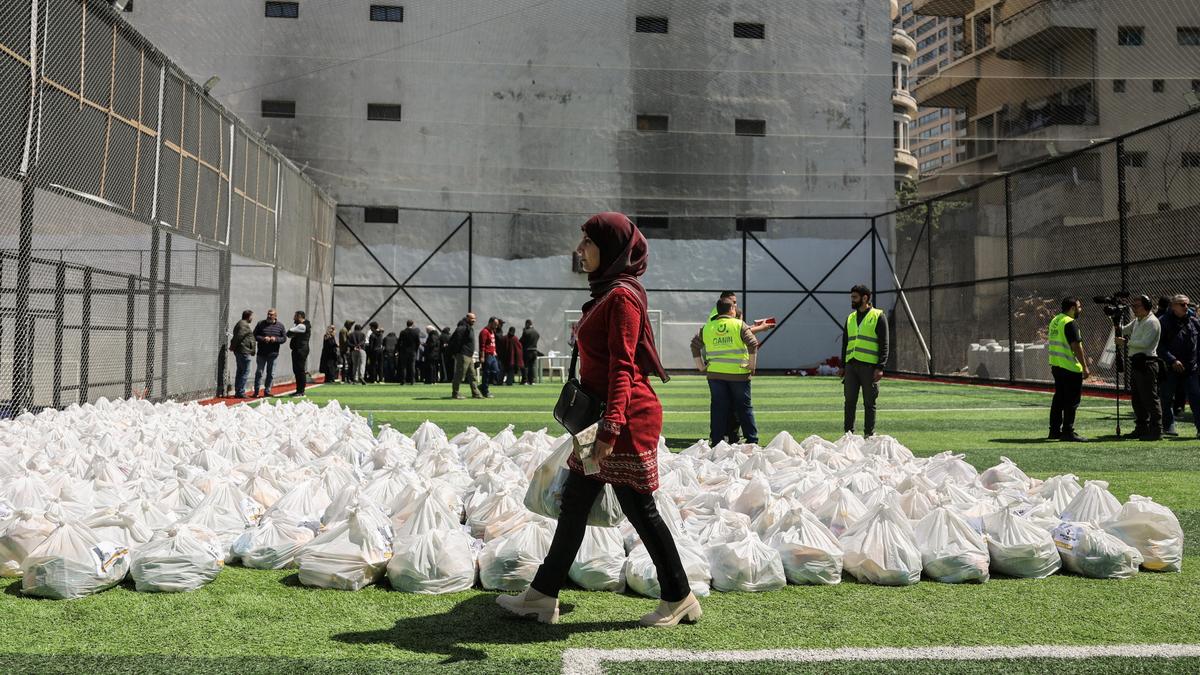
Escalating hostilities between Israel, Hezbollah, and Iran, compounded by U.S. involvement, have severely disrupted global supply chains, hindering the delivery of vital aid to vulnerable populations worldwide. Key shipping routes, including the Strait of Hormuz, are effectively closed, forcing aid organizations to reroute supplies via costlier and more time-consuming alternatives. This disruption is exacerbating existing crises, creating new emergencies, and pushing humanitarian operations to their limits.
Key Points:
- The conflict has shuttered crucial shipping routes like the Strait of Hormuz, impacting hubs like Dubai, Doha, and Abu Dhabi.
- Transport costs have surged due to higher fuel and insurance rates, reducing the volume of aid that can be delivered.
- The World Food Program has tens of thousands of metric tons of food delayed in transit.
- The International Rescue Committee has $130,000 worth of pharmaceuticals for Sudan stranded in Dubai and therapeutic food for malnourished children in Somalia stuck in India.
- The UN Population Fund is delayed sending equipment to 16 countries.
- The United Nations reports up to a 20% cost increase on shipments and significant delays, marking the most significant supply chain disruption since COVID-19.
- At least one million people have been displaced in Lebanon.
- UNICEF’s vaccine delivery costs to Iran have increased by 20% with a 10-day delay.
- Save the Children International’s alternate route to Sudan adds 10 days and increases costs by about 25%.
Critical Analysis:
The historical context shows escalating tensions with Iran, with Trump setting a “final” deadline and even suggesting Iran could be “taken out in one night.” This aggressive stance, coupled with U.S. cuts to foreign aid, creates a precarious situation where humanitarian efforts are deliberately undermined at a time of peak need. The closure of the Strait of Hormuz is a direct consequence of this aggressive posture, impacting global trade and, critically, humanitarian aid.
Key Takeaways:
- Geopolitical conflicts have a devastating ripple effect on global humanitarian efforts.
- Disruptions to critical shipping routes can cripple supply chains and hinder aid delivery.
- Rising transport costs force aid organizations to make difficult choices, impacting the number of people they can serve and the amount of aid they can provide.
- The combination of conflict and reduced foreign aid creates a perfect storm of humanitarian crises.
- Alternative routes, while necessary, significantly increase costs and delivery times, exacerbating the suffering of vulnerable populations.
Impact Analysis:
The long-term impact of these disruptions will be profound. The delays in delivering essential medicines and food will lead to increased mortality and morbidity, particularly among children and vulnerable populations. The increased costs will strain already limited resources, potentially leading to the scaling back of critical programs. The erosion of trust in international aid organizations could further destabilize already fragile regions, creating a cycle of conflict and humanitarian crises. The global energy crisis resulting from the closure of vital shipping routes will have far-reaching economic consequences, impacting food prices and overall living standards. The crisis highlights the interconnectedness of global systems and the vulnerability of humanitarian efforts to geopolitical instability.
 First Piper