
Mon Apr 06 16:39:50 UTC 2026: # India Navigates West Asia Tensions, Secures Energy Supply
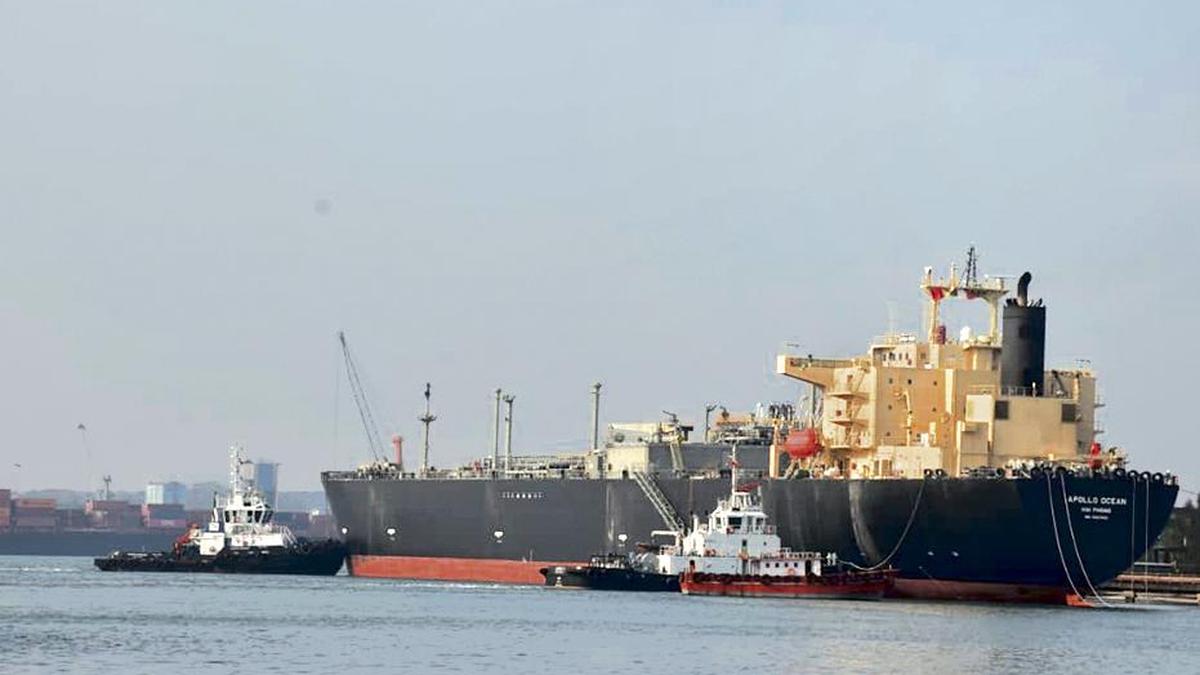
The Story: Amidst ongoing tensions in West Asia, India is taking measures to ensure the security of its maritime operations and energy supply. Sixteen Indian-flagged vessels are currently operating in the Persian Gulf, carrying vital resources like LNG, LPG, crude oil, and chemical products. The Indian government is closely monitoring the situation, ensuring the safety of the 433 Indian seafarers onboard. Two LPG vessels, Green Sanvi and Green Asha, successfully crossed the Strait of Hormuz in the last two days, delivering essential LPG to India.
To mitigate the impact of rising global energy prices due to the West Asia conflict, India has increased domestic natural gas allocation to the fertilizer industry to 90% and provided an additional 10% allocation to other industrial and commercial sectors. The country also holds a substantial buffer stock of wheat and rice, ensuring food security.
Key Points:
- 16 Indian-flagged vessels are currently operating in the Persian Gulf.
- 433 Indian seafarers are onboard these vessels.
- Green Sanvi and Green Asha, carrying LPG, safely crossed the Strait of Hormuz.
- Natural gas allocation to the fertilizer industry has been increased to 90%.
- India possesses a buffer stock of 222 LMT of wheat and 380 LMT of rice.
- State-owned refiners will delay maintenance shutdowns to maintain domestic supply.
Critical Analysis:
The timing of the news coincides with a US operation in Iran, and threats from Khawaja Asif, indicating a tense geopolitical climate. It is likely that the increased natural gas allocation and the maintenance of buffer stocks are proactive measures taken by the Indian government to insulate the country from potential disruptions in the global supply chain and price volatility caused by the regional instability.
Key Takeaways:
- India is actively safeguarding its maritime interests and the safety of its seafarers in the volatile West Asia region.
- The Indian government is prioritizing energy security by boosting domestic natural gas allocation and delaying refinery shutdowns.
- India is maintaining a comfortable buffer stock of essential food grains to ensure food security amid global uncertainties.
- The article underscores India’s preparedness to manage potential disruptions caused by geopolitical tensions.
- The government is actively working to shield the fertilizer industry from high spot market prices for natural gas.
Impact Analysis:
India’s proactive measures to secure its energy supply and food reserves demonstrate a strategic approach to navigating geopolitical instability. The increased allocation of natural gas to the fertilizer industry, ahead of the Kharif season, is likely to stabilize agricultural production and reduce dependence on expensive spot market purchases. The continued imports of edible oil also ensure price stability in the domestic market. These actions will likely have a positive long-term impact on India’s economic resilience and food security.
 First Piper