
Fri Apr 03 07:08:52 UTC 2026: # Indian Peacekeepers Reopen Vital Supply Route in South Sudan
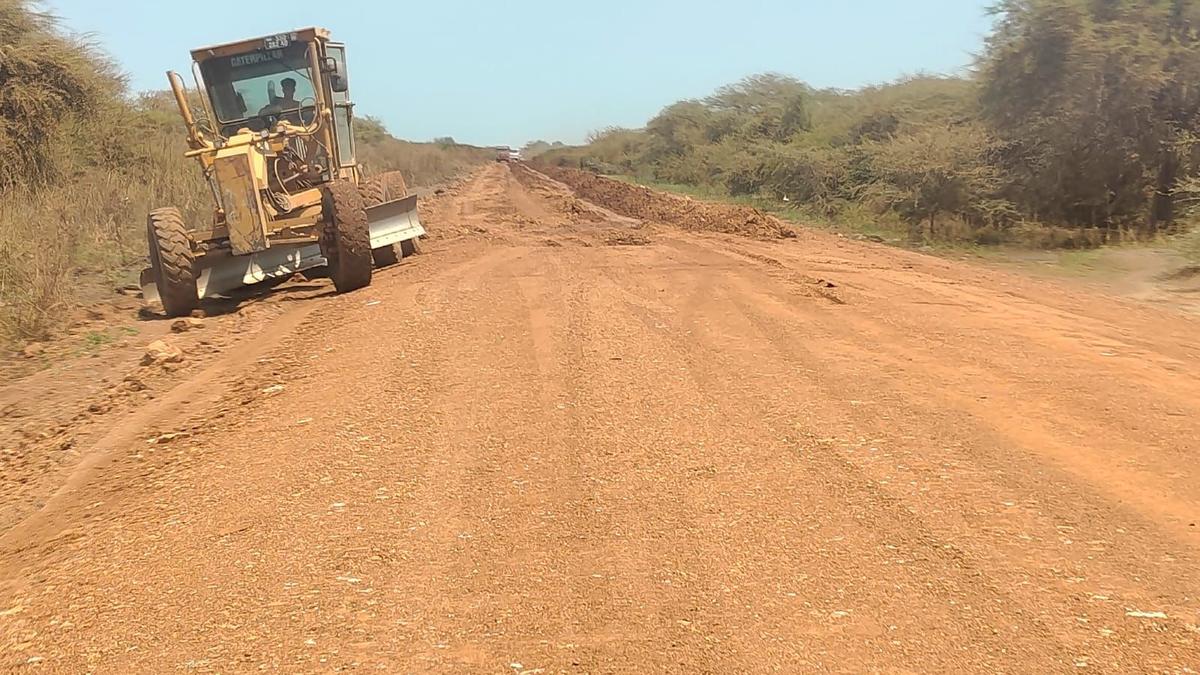
The Story: Indian peacekeepers serving with the United Nations Mission in South Sudan (UNMISS) have successfully reopened a critical supply route between Malakal and Renk, which had been closed due to flooding since last year. The UN has lauded the efforts of the Indian Engineering Unit for their work in reclaiming land and creating a new road alignment through Akoka-Kilo 20-Paloich-Renk. This reopening is expected to significantly improve mobility and facilitate the delivery of humanitarian assistance to vulnerable communities in the Upper Nile State.
Key Points:
- Indian peacekeepers reopened the Malakal-Renk main supply route via New Paloich.
- The route had been closed since last year’s floods.
- A new road alignment through Akoka – Kilo 20 – Paloich – Renk now provides safe access.
- The UN estimates that flooding in South Sudan last year affected 1.35 million people and displaced nearly 375,600.
- As of January 2026, India was the top troop contributing country to UNMISS with 1,779 personnel.
- The UN spokesman, Stéphane Dujarric, emphasized the vital role of peacekeeping missions in supporting stability and enabling critical assistance.
Critical Analysis:
The historical context provided doesn’t directly impact the analysis of the UNMISS action.
Key Takeaways:
- India continues to play a significant role in UN peacekeeping operations, particularly in regions facing humanitarian crises.
- The reopening of the supply route demonstrates the practical impact of peacekeeping missions on the ground, improving access for humanitarian aid.
- Flooding remains a significant challenge in South Sudan, exacerbating existing vulnerabilities.
- UNMISS acknowledges and publicizes the contributions of troop-contributing countries like India, highlighting their commitment to international peace and security.
Impact Analysis:
The reopening of the Malakal-Renk supply route has several long-term implications:
- Improved Humanitarian Access: The reliable supply route ensures that aid organizations can reach affected populations more easily, potentially reducing suffering and improving living conditions.
- Enhanced Stability: By facilitating the delivery of essential goods and services, the road contributes to the overall stability of the region, potentially reducing the risk of conflict or displacement.
- Strengthened International Relations: India’s active participation in UN peacekeeping missions enhances its reputation as a responsible global actor and strengthens its relationships with the UN and other member states.
- Economic Recovery: The improved road network can facilitate trade and economic activity, helping communities recover from the impact of the floods and build more resilient livelihoods.
 First Piper