
Thu Apr 02 23:26:16 UTC 2026: # Telangana Food Safety Department Cracks Down on Unhygienic Meat and Water Establishments
The Story:
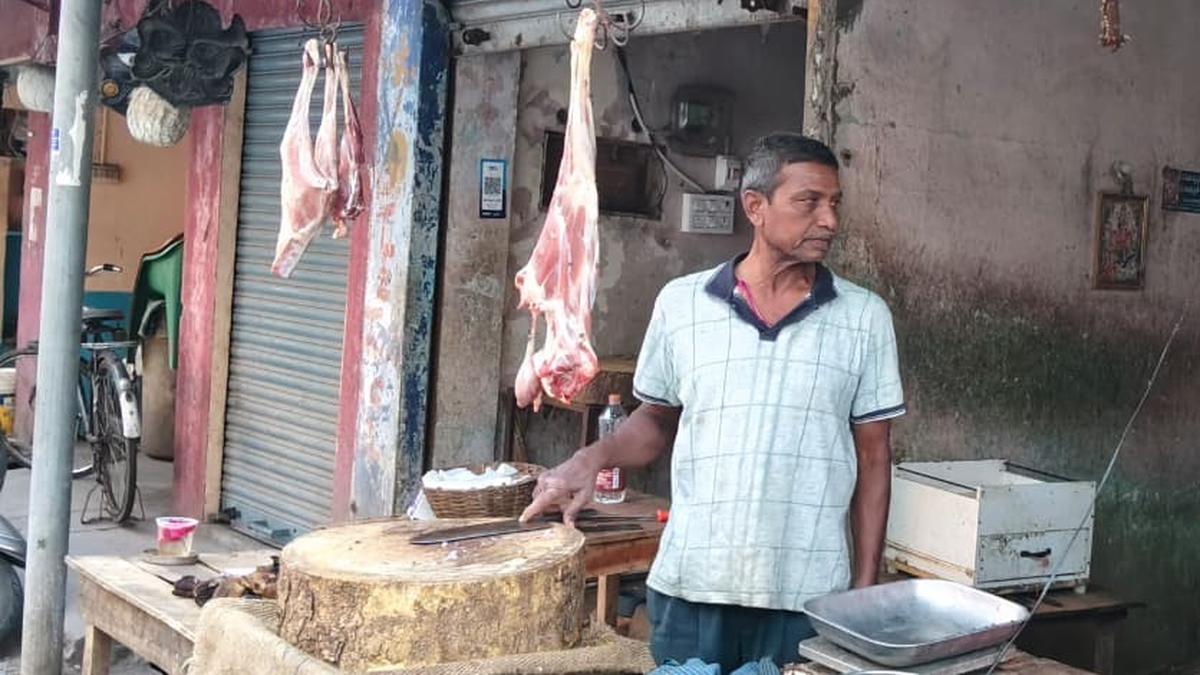
The Telangana Food Safety department conducted widespread inspections across the state on April 1, 2026, targeting meat establishments and drinking water units. The enforcement drive resulted in the seizure of approximately 146 kg of spoiled or non-compliant meat, primarily from the Nalgonda district (110 kg). Authorities issued 56 notices to food business operators for hygiene violations and operating without valid licenses. A parallel drive focused on drinking water quality within the Greater Hyderabad Municipal Corporation (GHMC), inspecting 26 establishments and collecting 27 samples for laboratory analysis.
Key Points:
* The Telangana Food Safety department conducted 68 inspections of meat establishments statewide.
* 33 meat samples were collected for analysis.
* 56 notices were issued to food business operators for various violations.
* Approximately 146 kg of spoiled or non-compliant meat was seized.
* 26 drinking water establishments were inspected within the GHMC.
* 27 water samples were collected for laboratory analysis.
* Six improvement notices were issued during the water inspections.
Critical Analysis:
The timing of the food safety inspections, immediately following the release of significant panchayat grants to Telangana (₹619.85 crore released April 2, 2026), might suggest a strategic allocation of resources towards improving public health and safety at the local level. While direct causality cannot be established without further information, the increased financial capacity of local governing bodies could be enabling more rigorous enforcement of food safety standards. This could be a part of a larger, coordinated effort to improve public health outcomes across the state. The simultaneous focus on both meat and water quality indicates a broad approach to food safety concerns.
Key Takeaways:
* The Telangana government is actively enforcing food safety standards across the state.
* Unhygienic conditions and lack of proper inventory management are prevalent issues in meat establishments.
* Drinking water quality is also under scrutiny, particularly in the GHMC area.
* The inspections resulted in immediate action, including seizures and notices, demonstrating a commitment to addressing violations.
* The timing of the inspections in relation to the release of panchayat grants potentially suggests a strategic link between funding and enforcement.
Impact Analysis:
The immediate impact includes increased awareness among food business operators and the public regarding food safety standards. The long-term impact could lead to improved hygiene practices, reduced foodborne illnesses, and enhanced public trust in the safety of food and water supplies. Stricter enforcement could also drive businesses to invest in better infrastructure and training, ultimately benefiting consumers. However, sustained efforts and continued monitoring are crucial to ensure lasting improvements.
 First Piper