
Fri Apr 03 11:21:27 UTC 2026: # Stalin Voices Strong Opposition to FCRA Amendment Bill, Citing Constitutional Concerns
The Story:
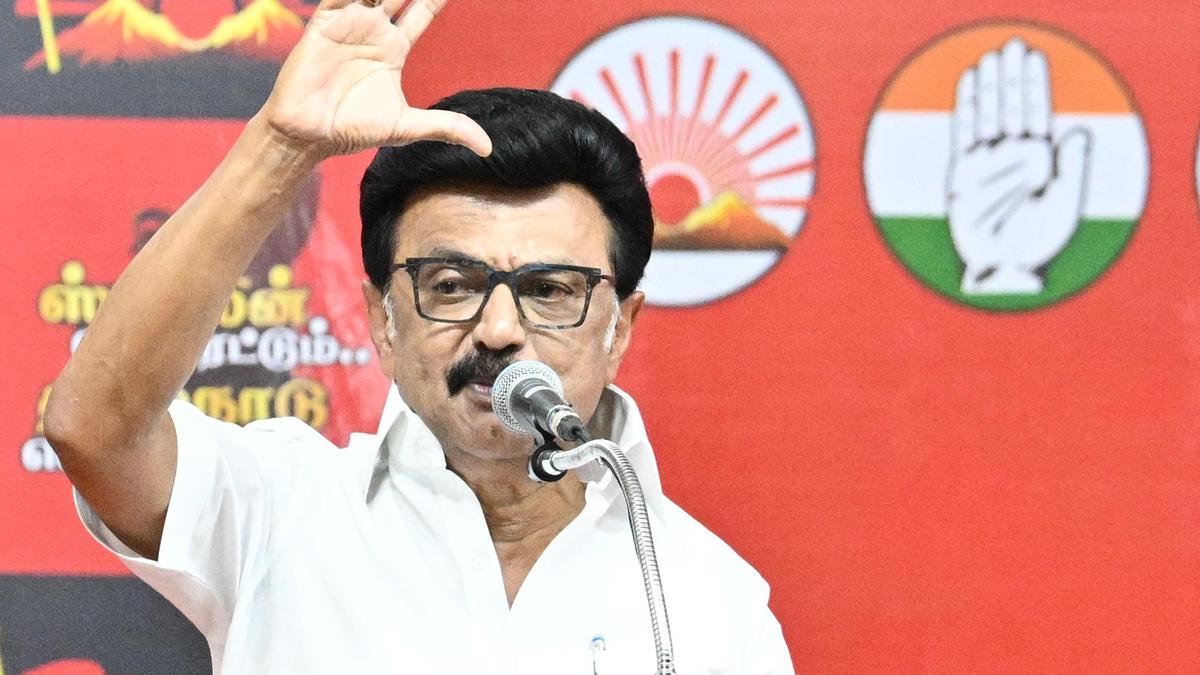
On April 3, 2026, Tamil Nadu Chief Minister M.K. Stalin penned a letter to Prime Minister Narendra Modi, expressing his profound concerns regarding the Union government’s introduction of the Foreign Contribution (Regulation) (FCRA) Amendment Bill, 2026, in Parliament. Stalin characterized the bill as “draconian” and a potential dismantling force for charitable organizations in India, particularly those run by minorities. He argued the bill grants the Union government excessive power to cancel FCRA registrations and seize assets of organizations like churches, schools, and hospitals, potentially impacting millions of vulnerable citizens dependent on these institutions for education and healthcare.
Stalin highlighted the bill’s potential conflict with Articles 25, 29, 30, and 300-A of the Constitution, framing it as an attack on religious freedom and civil society. He urged the Prime Minister to withdraw the bill immediately, emphasizing the deep agitation within the Christian community and the potential damage to India’s democratic and humanitarian legacy.
Key Points:
- M.K. Stalin, Chief Minister of Tamil Nadu, wrote to Prime Minister Narendra Modi on April 3, 2026, opposing the FCRA Amendment Bill, 2026.
- Stalin argues the bill allows the Union government to cancel FCRA registrations and seize assets of charitable organizations “without any due process.”
- He claims the bill violates Articles 25, 29, 30, and 300-A of the Constitution and is a “legalised assault on minority-run institutions.”
- Stalin highlights the potential negative impact on millions of vulnerable citizens who rely on these organizations for education and healthcare.
- The letter mentions the bill’s temporary hold due to electoral concerns in states with significant Christian populations but expresses fear of its revival post-elections.
- Stalin points out specific problematic provisions, including “deemed cessation” of FCRA registration and appropriation of assets created even partially from foreign contributions.
Critical Analysis:
The timing of Stalin’s letter, shortly before the Tamil Nadu elections, suggests a strategic move to appeal to the Christian community and highlight the potential impact of the bill on religious and charitable organizations. The mention of the Union Ministry for Home Affairs holding back the bill due to electoral concerns further supports this interpretation. This indicates a calculated political strategy leveraging the FCRA Amendment Bill as a point of contention between the state and central governments.
Key Takeaways:
- The FCRA Amendment Bill, 2026, is generating significant political opposition, particularly in states with substantial minority populations.
- The controversy surrounding the bill revolves around concerns about government overreach, religious freedom, and the potential impact on charitable organizations.
- State governments are using the bill as a platform to challenge the authority and policies of the Union government, particularly in the context of upcoming elections.
- The Bill is perceived as targeting organizations that rely on foreign funding, especially those serving marginalized communities, raising questions about the government’s priorities in welfare distribution.
- The debate underscores the delicate balance between national security concerns and the rights of civil society organizations to operate freely and access foreign funding.
Impact Analysis:
The FCRA Amendment Bill, 2026, and the ensuing controversy have the potential for significant long-term impacts:
- Erosion of Trust: The bill could erode trust between the government and civil society organizations, particularly those dependent on foreign funding.
- Reduced Charitable Activities: If enacted, the bill could lead to a reduction in charitable activities, especially those providing essential services to vulnerable populations.
- **Increased State-Central
 First Piper