
Fri Apr 03 06:04:03 UTC 2026: # AAP Removes Raghav Chadha from Rajya Sabha Deputy Leader Post Amid Growing Rift
The Story:
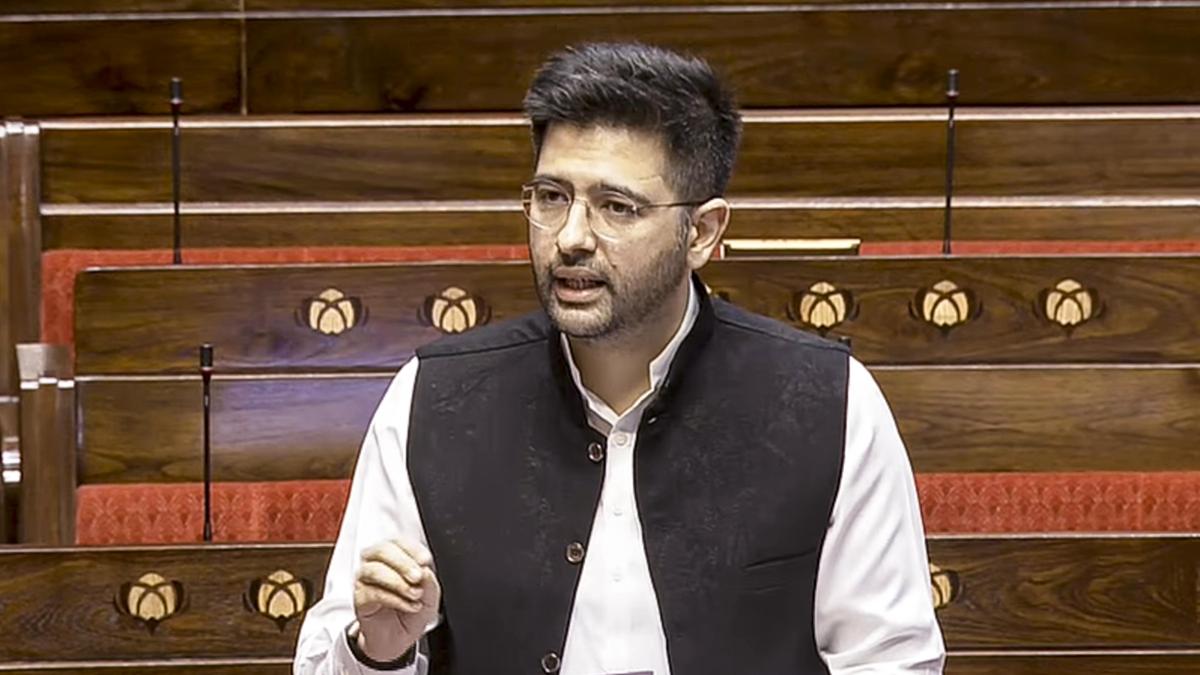
The Aam Aadmi Party (AAP) has removed Raghav Chadha from his position as deputy leader in the Rajya Sabha, replacing him with Ashok Mittal. This decision, formalized in a letter submitted to the Rajya Sabha Secretariat on April 2, 2026, signals a significant fracture between Chadha and the AAP leadership, particularly with party chief Arvind Kejriwal. While the party has not released an official statement, the move follows months of perceived discord. Chadha responded to the removal with a video message on X, stating he was “silenced, not defeated,” and questioning if raising people’s issues was a crime.
In response, AAP national media in-charge Anurag Dhanda accused Chadha of being fearful of speaking out against Prime Minister Narendra Modi and failing to address the country’s real issues. He emphasized the importance of fearlessness for Kejriwal’s soldiers.
Key Points:
- The AAP submitted a letter to the Rajya Sabha Secretariat on April 2, 2026, to replace Raghav Chadha with Ashok Mittal as deputy leader in the Rajya Sabha.
- The removal suggests a growing rift between Raghav Chadha and the AAP leadership, including Arvind Kejriwal.
- Raghav Chadha posted a video message on X, stating he was “silenced, not defeated.”
- AAP national media in-charge Anurag Dhanda accused Chadha of being afraid to speak out against Narendra Modi and on real issues.
- Dhanda questioned Chadha’s commitment to fighting for the country.
Critical Analysis:
The rapid sequence of events – Chadha’s removal followed immediately by his defiant response and accusations from within the AAP – suggests a calculated power struggle within the party. The accusation that Chadha is “afraid to speak out against Modi” hints at a possible ideological or strategic divergence, with the AAP leadership potentially prioritizing a more confrontational approach.
Key Takeaways:
- Internal power struggles can significantly impact a political party’s stability and direction.
- Accusations of being “soft” on political opponents can be a potent weapon in intra-party conflicts.
- The removal of Raghav Chadha signals a potential shift in the AAP‘s strategy or leadership dynamics.
- This incident highlights the complexities of maintaining unity and ideological consistency within a political party.
- The public nature of this dispute could damage the AAP‘s reputation and credibility.
Impact Analysis:
The removal of Raghav Chadha has several potential long-term implications:
- Weakened AAP in Rajya Sabha: Losing a prominent and articulate voice like Chadha could diminish the AAP’s influence in the upper house of Parliament.
- Potential for Factionalism: This public split could encourage further factionalism within the AAP, as other members may begin to question the party’s direction and leadership.
- Impact on AAP’s National Ambitions: The controversy could damage the AAP’s image and hinder its efforts to expand its influence beyond Delhi and Punjab.
- Shift in Political Discourse: If the AAP adopts a more aggressive stance towards Modi, it could contribute to a further polarization of Indian politics.
- Future of Raghav Chadha: Chadha’s political future remains uncertain. He could remain a dissenting voice within the AAP, attempt to form his own faction, or even explore opportunities with other political parties.
 First Piper