
Thu Apr 02 16:56:03 UTC 2026: ### Headline: Supreme Court Orders NIA Investigation into West Bengal Judicial Officer Detention Amid Election Concerns
The Story:
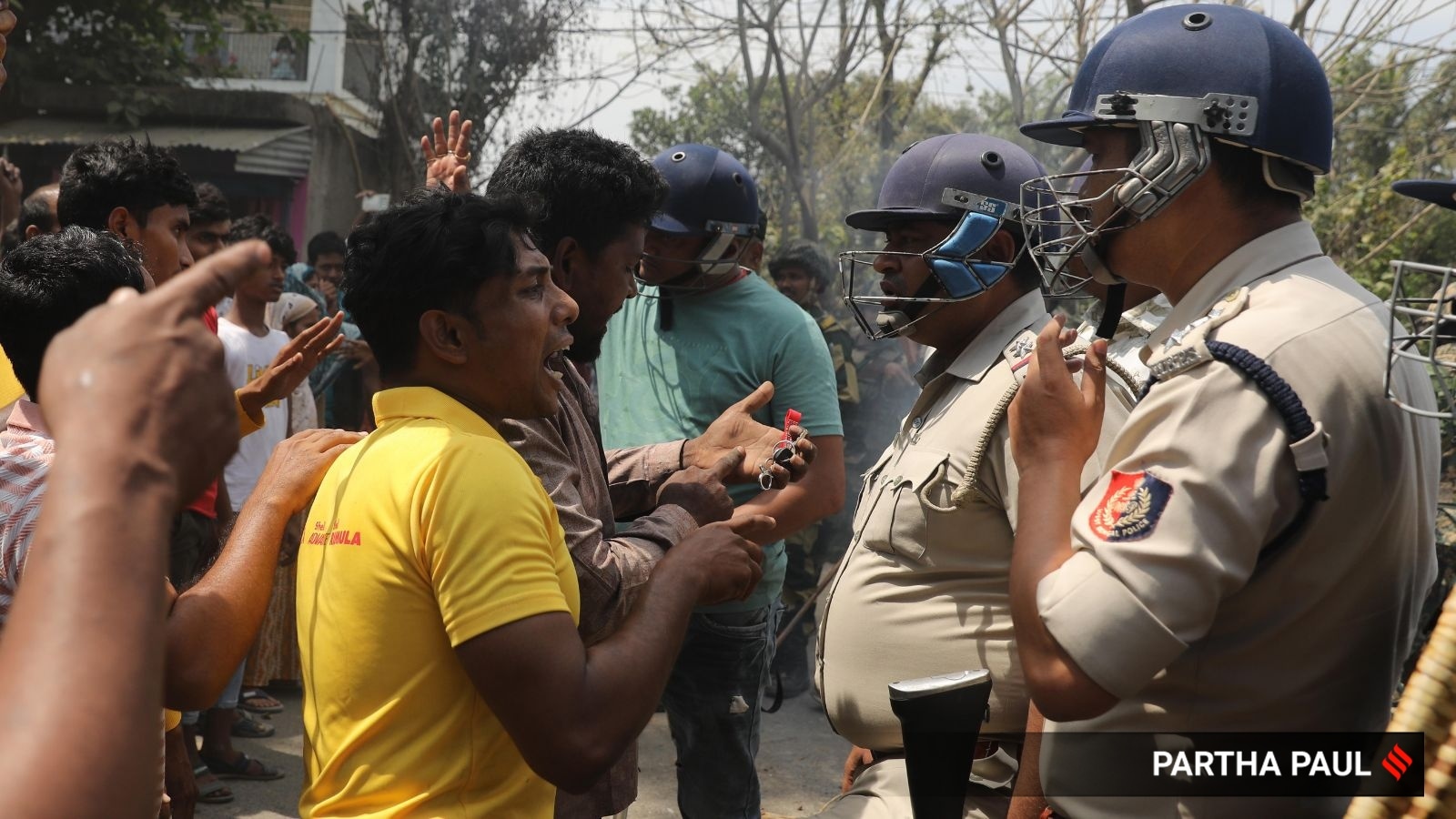
Following a Supreme Court directive, the Election Commission (EC) has instructed the National Investigation Agency (NIA) to investigate the detention of seven judicial officers in West Bengal’s Malda district. The officers, part of a larger group appointed by the Supreme Court to determine the eligibility of over 60.06 lakh electors, were allegedly held for hours inside a BDO office in Kaliachowk by a surrounding mob. The incident prompted the Supreme Court to intervene, demanding the EC hand over the investigation to either the Central Bureau of Investigation (CBI) or the NIA.
The EC’s directive to the NIA underscores the gravity of the situation and the urgency to ascertain the facts surrounding the incident. The NIA is expected to submit a preliminary report directly to the Supreme Court. This comes amidst heightened scrutiny of the electoral process in West Bengal, with the EC holding meetings with state officials to review the situation.
Key Points:
- The Supreme Court ordered the EC to hand over the investigation to the CBI or NIA.
- The EC instructed the NIA to investigate the detention of seven judicial officers in Malda, West Bengal.
- The judicial officers were allegedly held inside a BDO office in Kaliachowk by a mob.
- The officers are responsible for determining the eligibility of 60.06 lakh electors.
- The NIA is expected to submit a preliminary report directly to the Supreme Court.
Critical Analysis:
The related historical context provided does not reveal significant patterns or strategic depth regarding the event. Therefore, a critical analysis is not applicable in this case.
Key Takeaways:
- The Supreme Court’s intervention highlights serious concerns regarding the integrity of the electoral process in West Bengal.
- The involvement of the NIA indicates the perceived severity of the incident and potential implications for national security or electoral fairness.
- The detention of judicial officers responsible for voter eligibility raises questions about potential attempts to influence or disrupt the election process.
- The incident underscores the importance of ensuring the safety and security of election officials.
- The prompt action by the Supreme Court and the EC demonstrates a commitment to addressing potential threats to free and fair elections.
Impact Analysis:
The Supreme Court’s intervention and the subsequent NIA investigation could have significant long-term implications.
- Increased Scrutiny: The incident will likely lead to increased scrutiny of electoral processes in West Bengal, potentially resulting in stricter security measures and oversight during future elections.
- Erosion of Trust: The detention of judicial officers could erode public trust in the electoral system, particularly if the investigation reveals evidence of deliberate attempts to undermine the process.
- Legal and Political Ramifications: Depending on the findings of the NIA investigation, there could be legal and political ramifications for those involved in the incident, potentially leading to arrests, prosecutions, and changes in political dynamics.
- Impact on Voter Confidence: The incident could impact voter confidence, particularly among those whose eligibility is being determined by the judicial officers. It is crucial to ensure that voters are reassured of the integrity of the electoral process.
- Precedent Setting: This case could set a precedent for future interventions by the Supreme Court and investigative agencies in cases where the integrity of elections is threatened.
 First Piper